
SUMMARY
Fashion is rarely just about form; it is shaped by the details that influence how we see it. As design continues to evolve, heritage techniques are no longer treated as preserved relics but are reinterpreted as contemporary expressions.
Zardozi embroidery, rooted in India’s rich craft traditions, stands as one such lasting form. With its intricate texture and layered depth, it does more than decorate garments; it transforms them into refined and thoughtful expressions of elegance.
OVERVIEW
- Craft as a Design Statement
- The Origins of Zardozi Embroidery
- What Sets It Apart from Indian Embroidery Techniques
- The Role of Craftsmanship
- Zardozi in Contemporary Showcases
- Conclusion: A Legacy That Evolves
CRAFT AS A DESIGN STATEMENT
In contemporary fashion, craftsmanship is no longer peripheral; it is central to the narrative. The way a garment is constructed, detailed, and finished defines not just its appearance, but its presence.
This shift has brought Zardozi embroidery into renewed focus. Known for its precision and richness, it reflects the depth of Indian embroidery techniques while seamlessly aligning with modern design sensibilities. It moves beyond tradition, becoming a medium through which designers articulate structure, texture, and intent.
THE ORIGINS OF ZARDOZI EMBROIDERY
Zardozi embroidery finds its origins in royal ateliers, where it signified power, refinement, and cultural prestige. Crafted with metallic threads, it adorned garments that were as symbolic as they were ornamental.
While its materials and applications have evolved, its essence remains anchored in heritage. It continues to represent the intricacy and discipline associated with Indian embroidery techniques, carrying forward a legacy defined by precision and artistry.
WHAT SETS IT APART FROM INDIAN EMBROIDERY TECHNIQUES?
Among the spectrum of Indian embroidery techniques, this craft distinguishes itself through its sculptural quality. Layers of metallic threads, sequins, and embellishments create a raised surface that interacts with light, lending garments a sense of movement and depth.
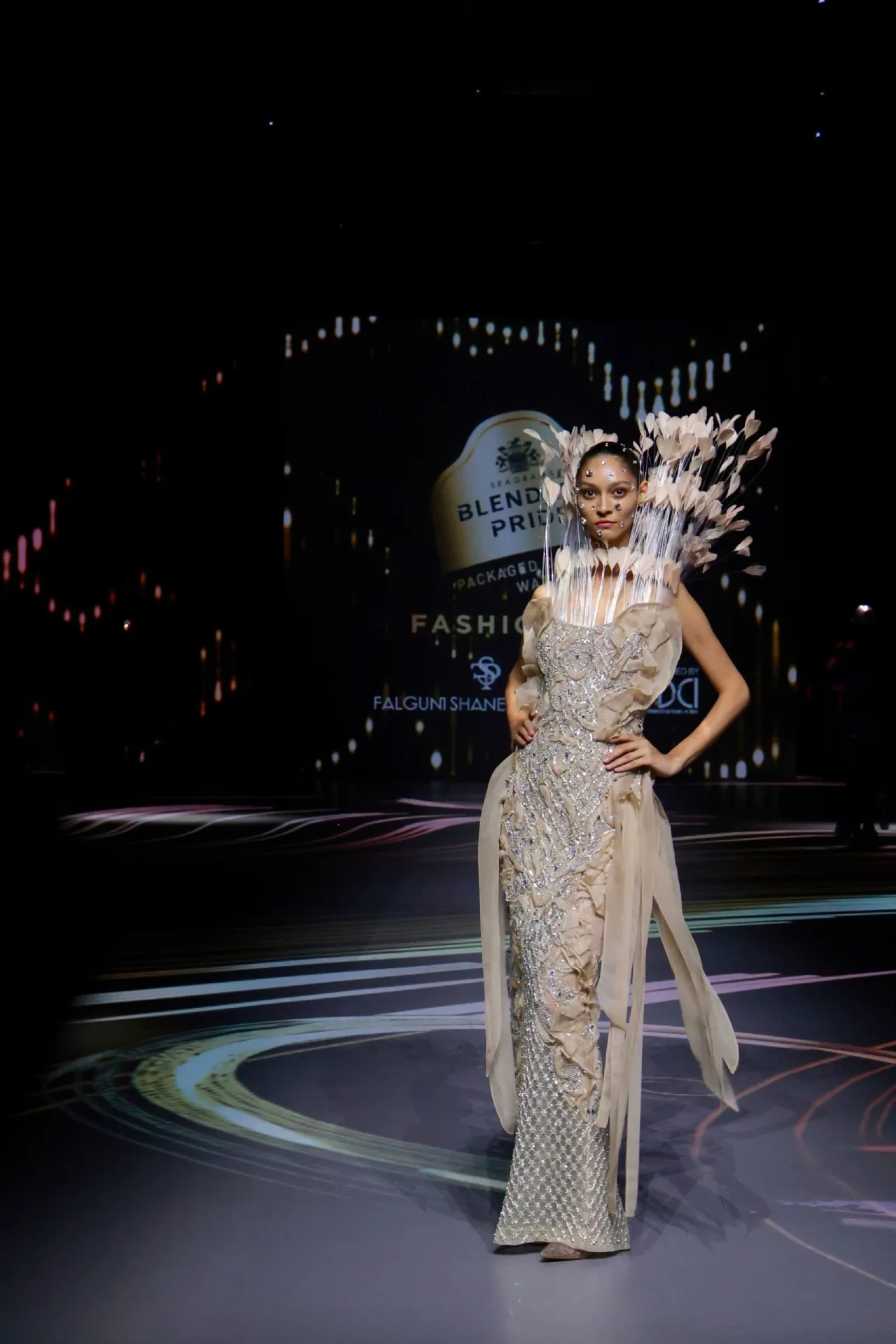
It does not merely decorate fabric; it shapes it. This ability to construct dimension allows Zardozi embroidery to seamlessly complement both fluid drapes and sharply structured silhouettes.
THE ROLE OF CRAFTSMANSHIP
The process behind Zardozi embroidery is exacting and time-intensive. Each element is hand placed with deliberate precision, ensuring that intricacy does not overwhelm structure.
In a landscape driven by speed, such craftsmanship introduces a necessary pause. It brings attention back to the value of process, of detail, and of human intervention.
Within this lies the enduring relevance of Indian embroidery techniques, where creation is considered as significant as the final form.
Also Read: https://www.blenderspridefashiontour.com/blog/jaipur-hand-block-printing
ZARDOZI IN CONTEMPORARY SHOWCASES
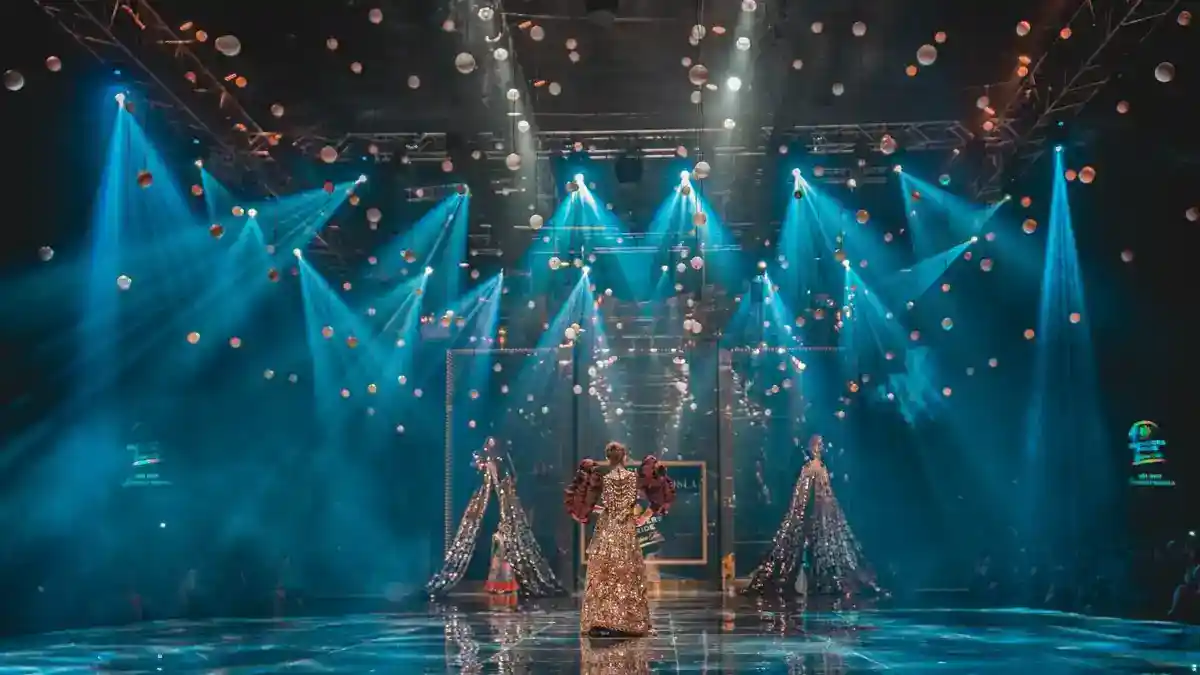
Recent showcases by the Blenders Pride Fashion Tour present a compelling blend of heritage and modern design. Intricate detailing adds depth and elegance to sculpted silhouettes, creating garments that feel both timeless and contemporary.
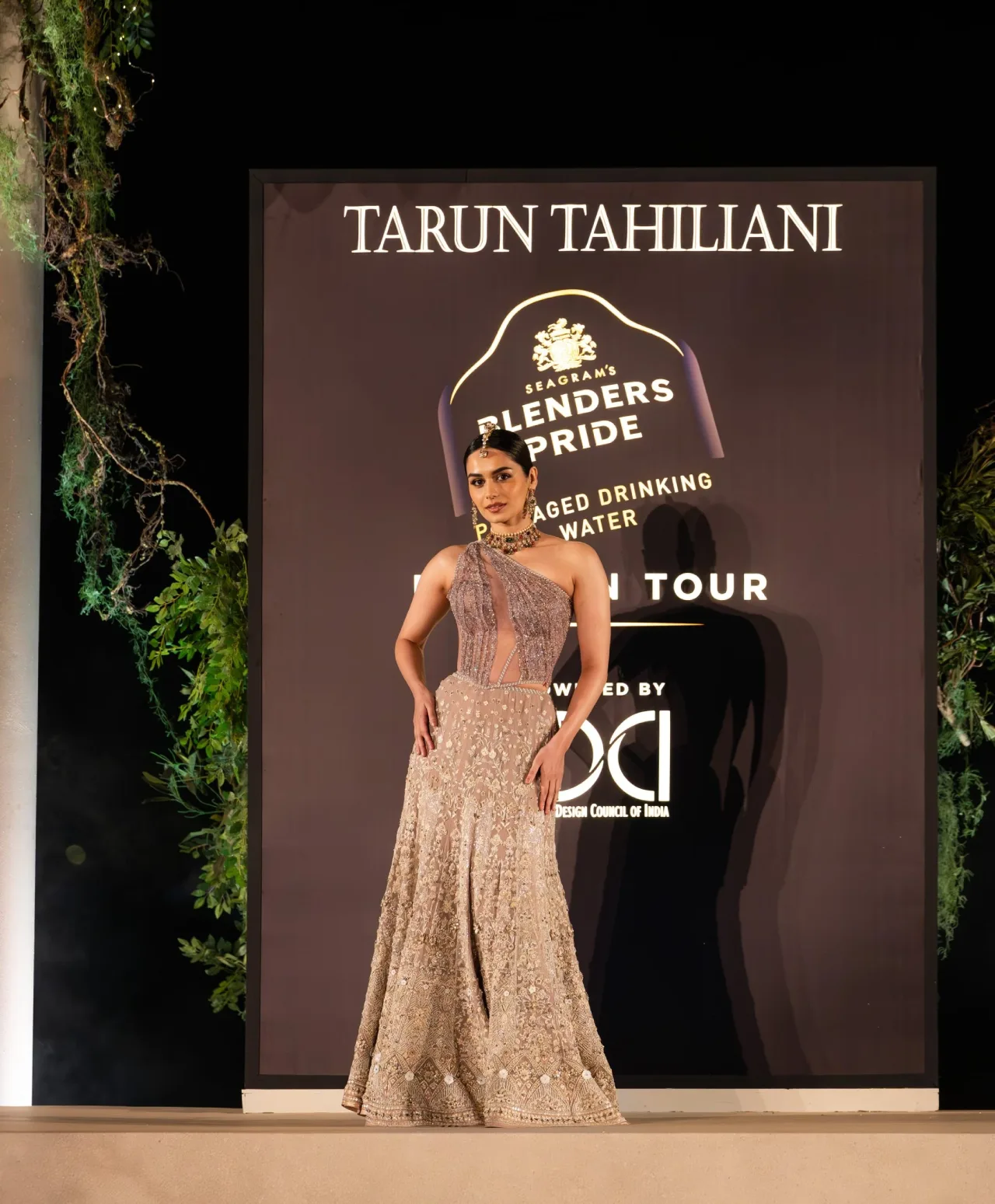
In the 2025 edition, designers explored metallic textures, layered embellishments, and structured forms that reflect the richness of Zardozi embroidery while reimagining it for a modern audience.
Falguni Shane Peacock carries this legacy forward through bold embellishments, detailed surface work, and structured silhouettes that balance glamour with craftsmanship. Their collections often feature crystal detailing, metallic accents, and embroidery styles inspired by traditional Zardozi, presented in a modern luxury aesthetic.
Similarly, Gaurav Gupta integrates fluid drapes and sculpted silhouettes with intricate handwork, where reflective textures and layered embellishments create a futuristic yet culturally connected visual language.
These interpretations position the craft as an essential part of the garment’s identity rather than simply decorative detailing.
CONCLUSION: A LEGACY THAT EVOLVES
Zardozi embroidery does not merely exist within a garment; it defines its presence. Through its depth, precision, and cultural resonance, it continues to reshape the idea of opulence in contemporary fashion.
As trends shift and aesthetics evolve, its strength lies in its ability to transform without losing its core identity. Among Indian embroidery techniques, it remains both constant and progressive — a craft that does not follow fashion, but quietly defines it.