
Introduction
If Jaipur could talk, it would probably brag about its colours. From its iconic pink facades to streets alive with movement and energy, the city has a way of turning everyday scenes into something extraordinary.
Somewhere between the hustle, artisans quietly work their magic by pressing carved wooden blocks onto fabric, creating Jaipur block printing that has been captivating hearts for centuries. Each print has its own personality, a little quirk, and a lot of soul. These hand-block printed textiles hold stories, history, and art all rolled into one.
Once you see them, you will never look at printed cotton the same way again.
Overview
- Introduction
- How Jaipur Became the Heart of Block Printing
- The Craft Behind Hand-Block-Printed Textiles
- Colors from Nature: The Art of Natural Dye Printing
- Sanganeri Prints: A Signature Style
- Jaipur Block Printing and the Rise of Slow Fashion India
- Conclusion
How Jaipur Became the Heart of Block Printing
The history of block printing in Jaipur is as colorful as the fabrics themselves. Centuries ago, under royal patronage, artisans flourished, turning textiles into elaborate storytelling canvases. Geometric patterns, floral motifs, and paisleys drew inspiration from Mughal architecture, temple carvings, and local flora. These designs carried cultural meaning and social identity, making them more than just decorative.
The wooden blocks themselves are works of art. Made from seasoned teak, each block is hand-carved with remarkable precision. A single block can be passed down through generations, and every artisan adds slight variations, ensuring that each piece is truly unique.
The Craft Behind Hand-Block-Printed Textiles
Creating hand block-printed textiles is a multi-step process. Artisans start by stretching cotton or silk on wooden frames, dipping the carved blocks in dye, and pressing them carefully onto the fabric.
Complex designs often require multiple blocks, with each color applied separately and allowed to dry before the next layer. It’s like painting one brushstroke at a time. The subtle irregularities in alignment or color make each piece feel alive.
These tiny imperfections give the fabric personality and character that machines simply cannot replicate.
Colors from Nature: The Art of Natural Dye Printing
One of the most fascinating aspects of Jaipur block printing is natural dye printing. Artisans extract colors from indigo leaves, turmeric roots, madder plants, and pomegranate peels, creating a palette that is soft, earthy, and vibrant. Over time, these colors mellow and develop depth, creating a richness that synthetic dyes cannot match.
Natural dyes also connect the craft to the environment. Fabrics carry subtle hints of the plants they come from. A summer kurta in soft indigo might have a faint earthy scent, while a mustard yellow shawl carries a whisper of turmeric. This connection to nature makes every textile feel alive and unique.
Sanganeri Prints: A Signature Style
Among Jaipur’s textile traditions, Sanganeri prints are instantly recognizable for their delicate charm. Originating from Sanganer, near Jaipur, they feature small-scale floral patterns, soft outlines, and pastel shades. Traditionally printed on lightweight cotton, these fabrics were perfect for summer, offering comfort without compromising elegance.
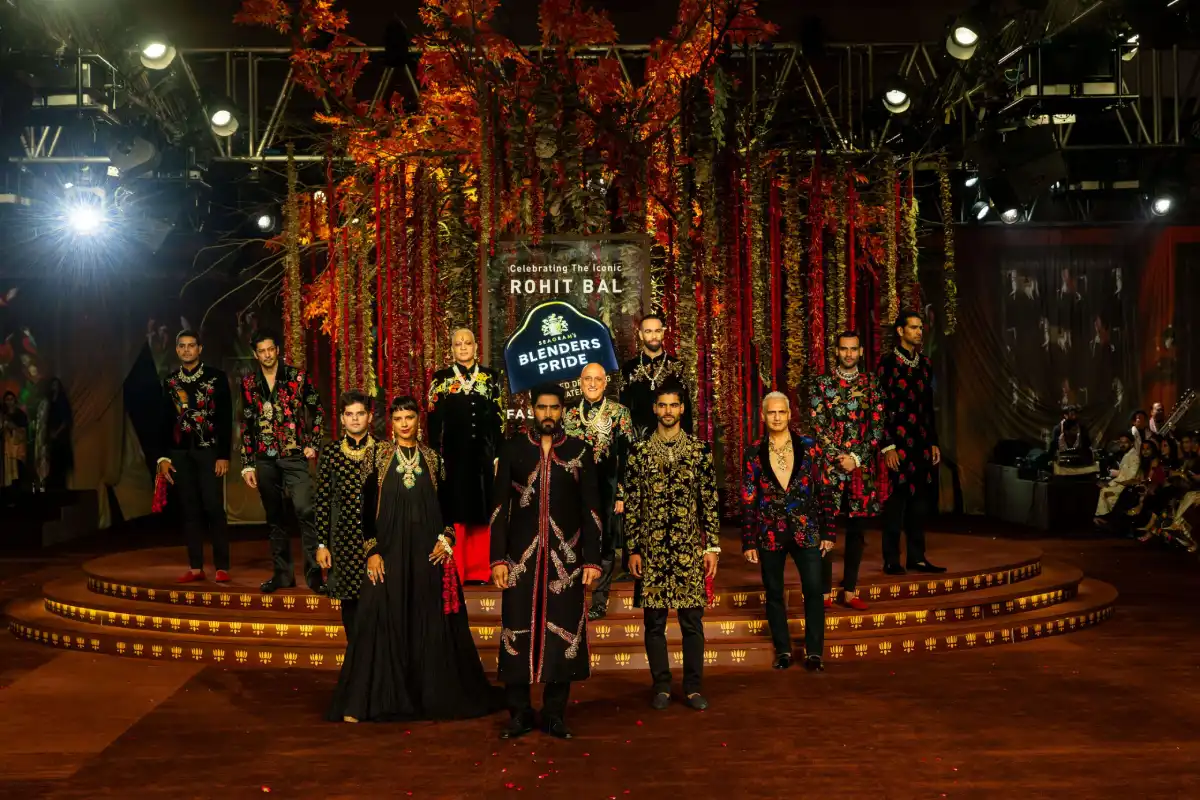
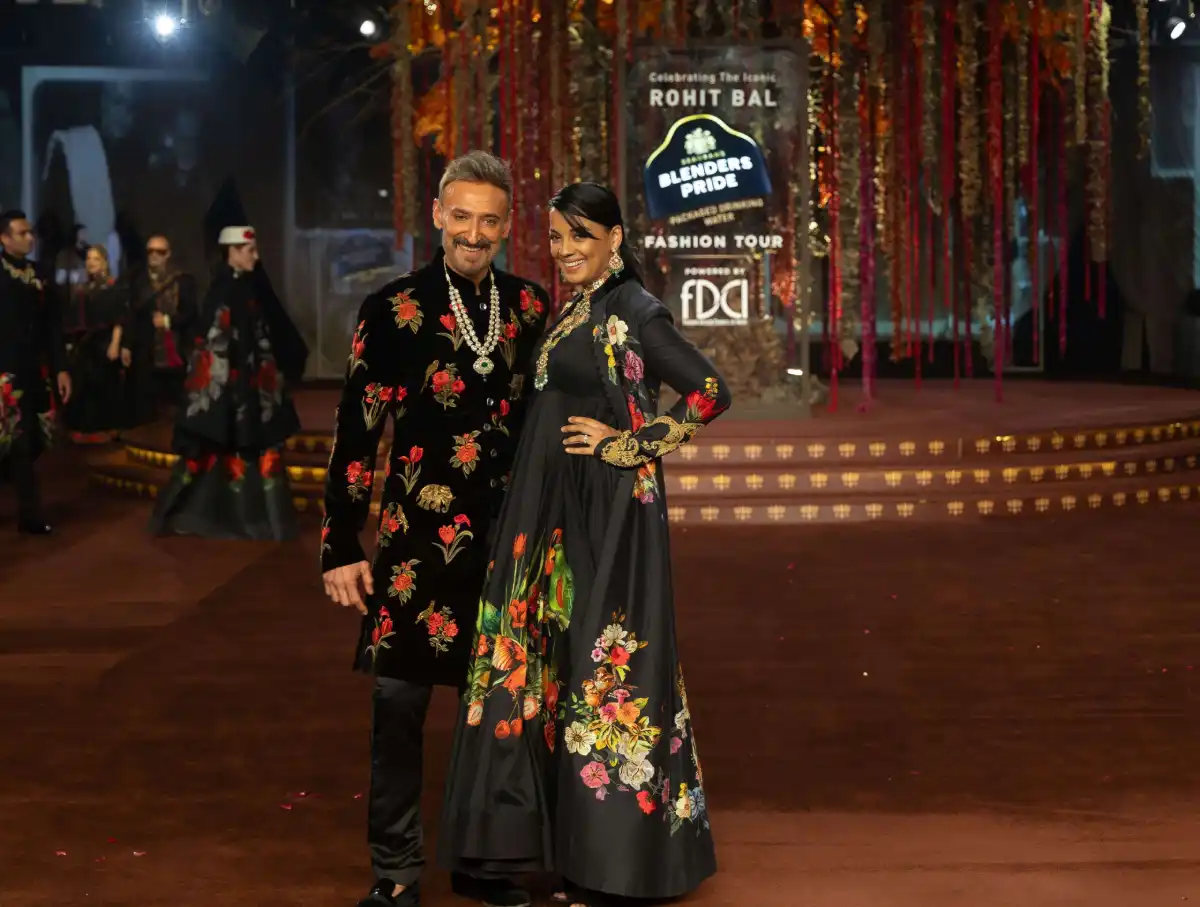
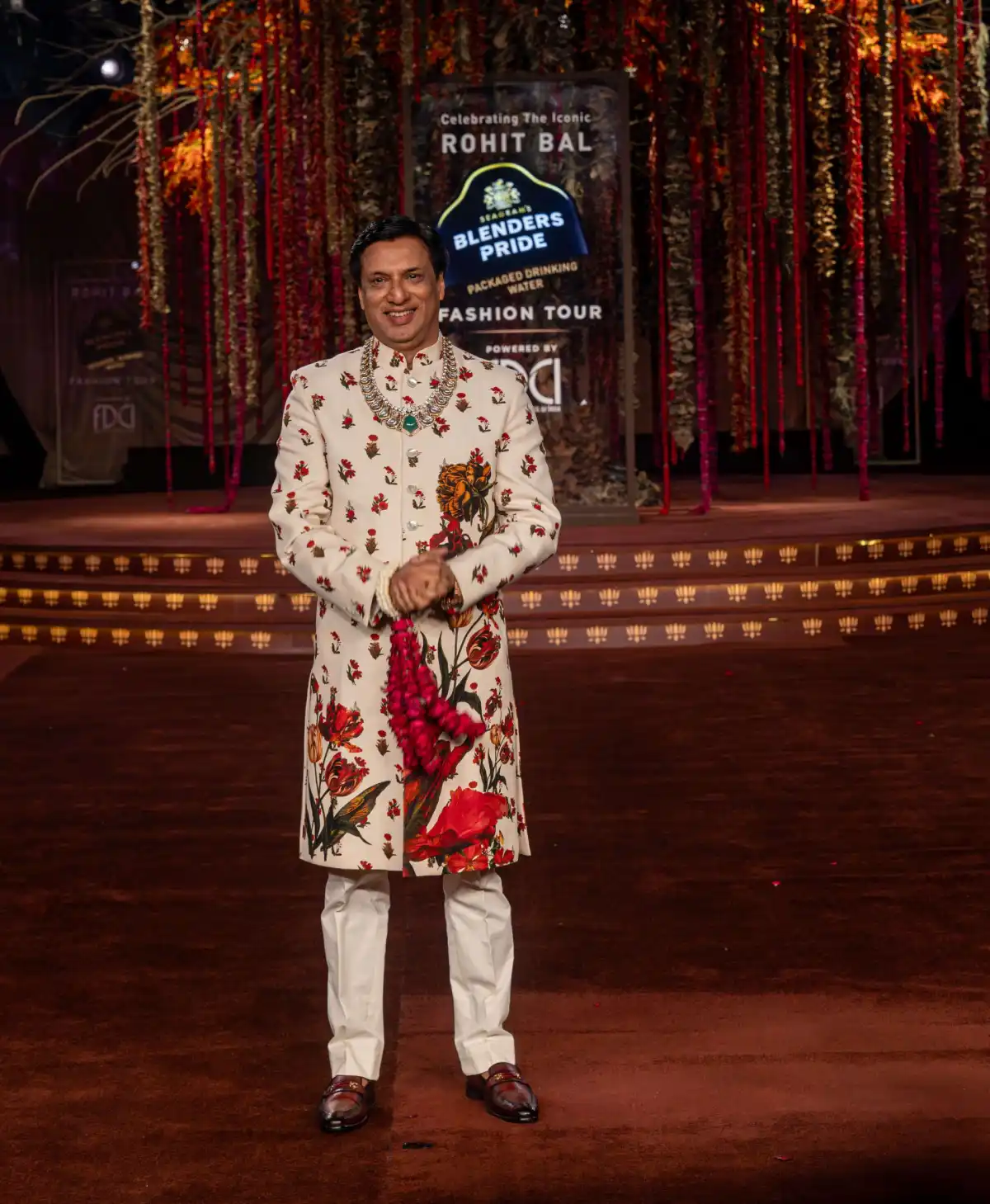
Sanganeri prints have been reimagined for modern fashion. Designers use them for flowing skirts, scarves, summer dresses, and even jackets. Layering a Sanganeri printed dupatta over contemporary clothing adds a touch of heritage and artisanal sophistication. The Blenders Pride Fashion Tour brings these textiles into focus, showing how timeless craftsmanship continues to evolve.
Jaipur Block Printing and the Rise of Slow Fashion in India
The appeal of Jaipur block printing goes beyond aesthetics. Each textile represents hours of labor, patience, and skill, making it a perfect example of slow fashion in India. Choosing a hand block-printed fabric is a conscious decision to value craftsmanship, sustainability, and story over mass-produced trends.
Fashion enthusiasts now style these textiles in creative ways. A hand-block printed shirt paired with jeans, a Sanganeri stole over a minimalist dress, or a printed kurta with modern accessories shows how heritage and contemporary style can coexist beautifully. Blenders Pride Fashion Tour amplifies these narratives, connecting artisans with audiences and highlighting how craftsmanship continues to shape modern fashion.
Conclusion
Today, Jaipur block printing continues to thrive, moving effortlessly from traditional attire to modern fashion. At the Blenders Pride Fashion Tour, these textiles are celebrated as both art and style.
The elegance of Sanganeri prints, the depth of natural dye printing, and the uniqueness of hand block-printed fabrics show how centuries-old techniques continue to inspire contemporary trends. Jaipur block printing preserves heritage, supports artisans, and promotes sustainable fashion.
Every piece tells a story, carries a legacy, and proves why this craft is truly the one and only handcrafted print tradition that remains vibrant, relevant, and remarkable today.