
INTRODUCTION: ROOTED IN TRADITION
Indian clothing carries a depth that transcends mere aesthetics; it is a tactile map of a civilization’s soul. It reflects history, social identity, and centuries of tradition, making cultural heritage clothing the ultimate vessel for the country’s creative expression. Every hand-spun fiber, draped silhouette, and intricate embroidery technique tells a story shaped by geography, community, and the slow passage of time.
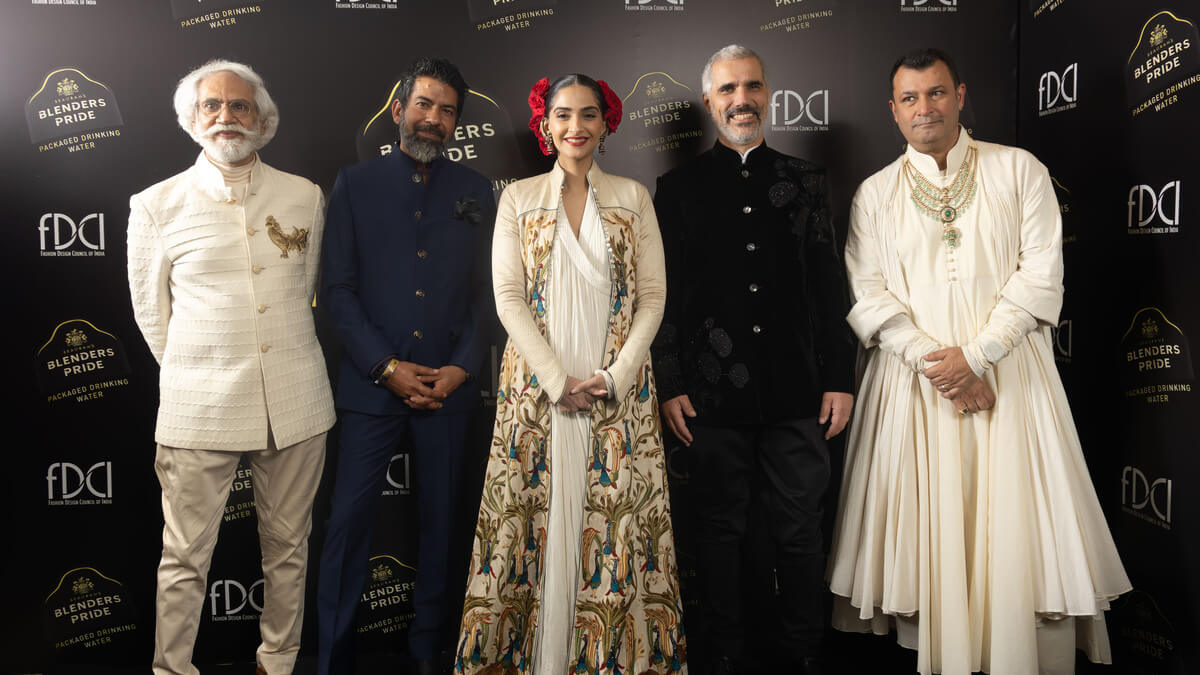
From the everyday simplicity of a cotton kurta to the architectural grandeur of a bridal lehenga, Indian ethnic wear is in a state of constant, beautiful flux. It survives not by staying frozen in the past, but by breathing new life into modern contexts. This delicate balance between the “old world” and the “new wave” defines its enduring relevance. Today, this evolution is most visible on the grandest stages of style, where Blenders Pride Fashion Tour reimagines these ancient codes for a global, contemporary audience, proving that heritage is the ultimate fashion statement.
OVERVIEW
- The Meaning of Cultural Heritage Clothing
- The Diversity of Indian Ethnic Wear
- Textiles, Craft, and Regional Identity
- Indian Clothing in Contemporary Fashion
- The Impact: Preserving Identity Through Style
- Conclusion: Tradition in Transition
THE MEANING OF CULTURAL HERITAGE CLOTHING
Cultural heritage clothing represents more than just garments; it embodies a living craft passed down through generations like a sacred heirloom. These pieces are the antithesis of mass production. Techniques such as hand-weaving, intricate Zardosi embroidery, natural Indigo dyeing, and manual block printing form the foundation of these pieces. These aren’t just decorative choices, they are historical records of the people who made them.
When a designer utilizes a specific weave, they are engaging with a cultural narrative that might be five centuries old. In this context, clothing becomes a medium of expression rather than just a functional necessity. It communicates one’s roots, values, and respect for the artisanal hands that spent weeks, sometimes months, crafting a single masterpiece. To wear heritage is to wear the story of India itself.
THE DIVERSITY OF INDIAN ETHNIC WEAR
The sheer scale of Indian ethnic wear is staggering, shaped by the diverse climates and cultures of the subcontinent. Every state offers a different silhouette that reflects its unique way of life.
- The Saree: Perhaps the world’s most versatile garment, it exists in over 100 documented drapes, from the classic Nivi/Navhari style to the utilitarian Kachha drape.
- The Lehenga & Sharara: Representing the pinnacle of celebratory craftsmanship, these garments showcase the volume and vibrance of North Indian festive heritage.
- The Sherwani & Bandhgala: These silhouettes bring a regal, structured discipline to men’s fashion, blending traditional precision with modern aristocratic elegance.
This diversity allows for a unique form of sartorial storytelling. An individual can express their personal style while remaining tethered to a collective history. Whether through the choice of a vibrant Bandhani silk or a muted, sophisticated Chanderi, Indian fashion offers a spectrum of identity that few other cultures can match.
TEXTILES, CRAFT, AND REGIONAL IDENTITY
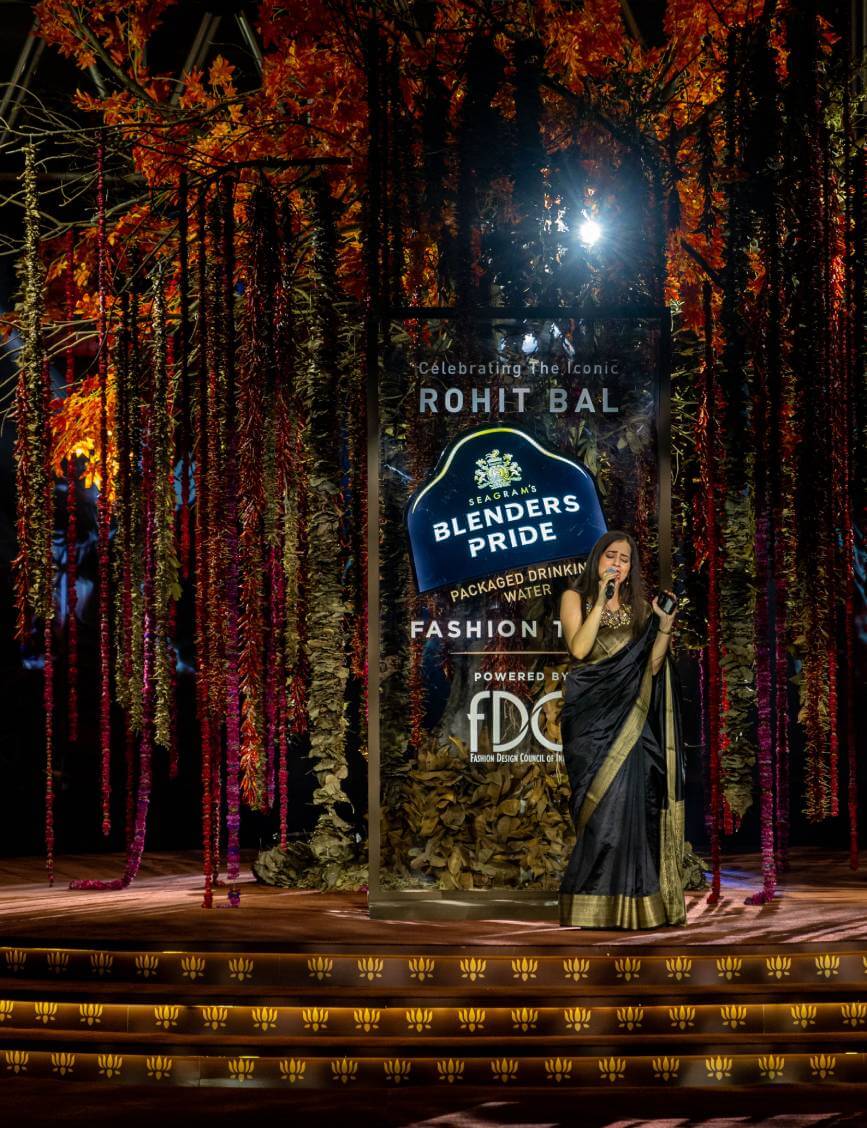
At the core of cultural heritage clothing lies the Golden Thread of craftsmanship. India’s regional identity is stitched into its textiles, making each fabric a passport to a different corner of the country.
- The North: Famous for the heavy floral Phulkari of Punjab and the delicate, ethereal Chikan work of Lucknow.
- The South: Known for gold-infused Kanjeevaram silks that symbolize grace, durability, and status.
- The East: Home to fine Jamdani and Tussar silk, emphasizing sheer textures and intricate geometric patterns.
- The West: A powerhouse of color, featuring Ajrakh block printing and mirror work that reflects the vibrant desert landscapes of Rajasthan and Gujarat.
These elements define the visual vocabulary of Indian fashion. They represent the specialized skills of artisans whose hands are the instruments of our national pride, turning raw fiber into wearable art.
Also Read: https://www.blenderspridefashiontour.com/blog/contemporary-indian-wear-outfit
INDIAN CLOTHING IN CONTEMPORARY FASHION
Today, Indian ethnic wear is undergoing a radical reinterpretation. Traditional garments are being adapted into high-street and avant-garde forms, making them versatile enough for the global stage.
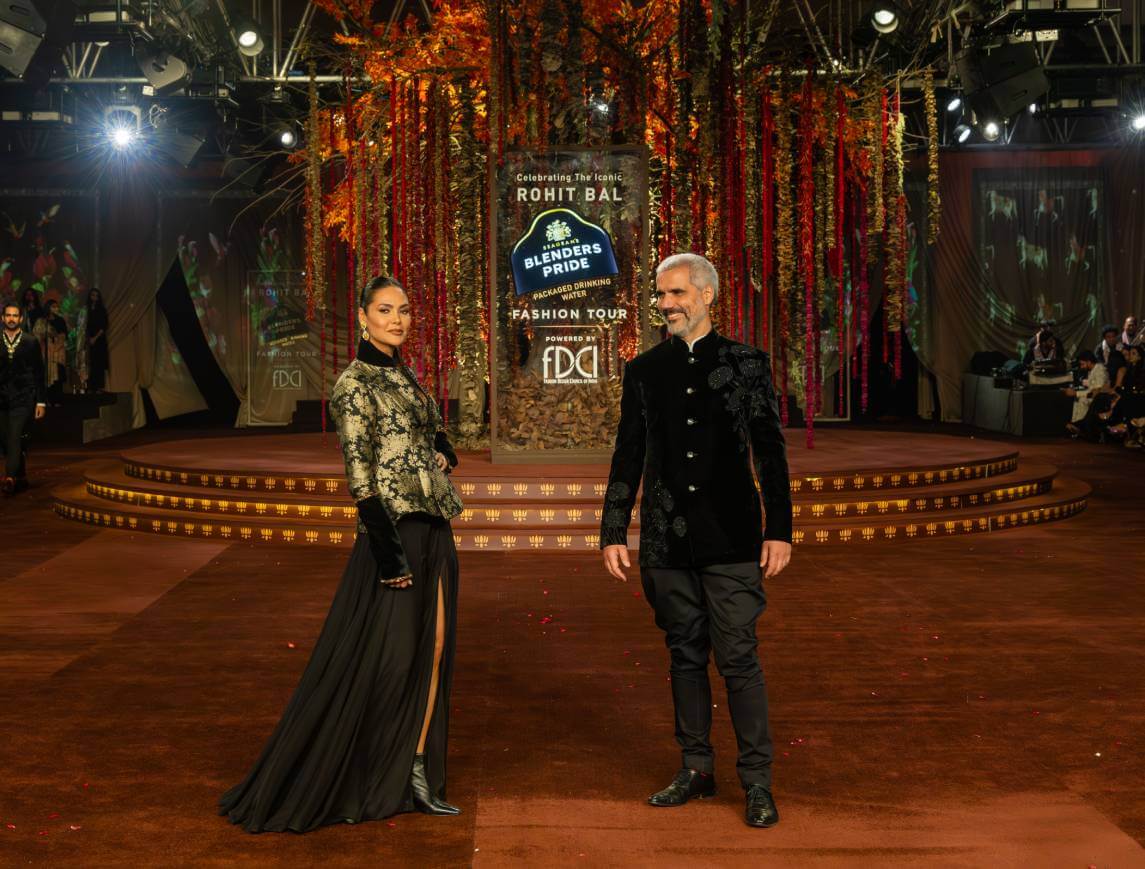
This is where the Blenders Pride Fashion Tour becomes a pivotal part of the conversation. The tour has spent years celebrating the intersection of Authenticity and Innovation. It isn’t just about putting a saree on a runway; it’s about challenging what a saree can be.
On the Blenders Pride Fashion Tour runway, heritage is reimagined. You might see a traditional Banarasi weave cut into a sharp, power-shouldered blazer, or ancient Kashmiri motifs layered over futuristic, metallic fabrics.
The tour provides a platform for designers to showcase Modern Pride, the idea that you don’t have to choose between being traditional and being trendy. By integrating these heritage elements into high-fashion narratives, the tour ensures that Indian craftsmanship remains a global conversation starter.
THE IMPACT: PRESERVING IDENTITY THROUGH STYLE
The continued presence of cultural heritage clothing highlights the importance of preserving identity in a rapidly accelerating, digital world. In an era of disposable fast fashion, heritage clothing offers something permanent and soulful.
Fashion becomes a means of carrying forward traditions while adapting to new contexts. Through Indian ethnic wear, individuals are able to engage with their cultural roots while expressing themselves in contemporary ways. This engagement supports the artisan economy and keeps ancient skills economically viable for the next generation. By wearing these styles, we help ensure that the craftsman’s touch doesn’t disappear in the age of the machine.
CONCLUSION: TRADITION IN TRANSITION
Cultural heritage clothing remains central to the identity of Indian fashion, evolving effortlessly without losing its essence. Its magic lies in its resilience and its ability to move from a village loom to a neon-lit runway without losing its heartbeat.
This evolving balance between tradition and modernity is also reflected in the creative direction of the Blenders Pride Fashion Tour. By reimagining heritage-inspired elements within contemporary fashion narratives, the tour celebrates a version of India that is proud, polished, and profoundly stylish. Tradition is no longer just about looking back; it is the fuel for our fashion-forward future.