
INTRODUCTION
Fashion today is evolving beyond rigid categories. Designers are increasingly blending heritage inspired craftsmanship with contemporary silhouettes. This fusion creates styles that feel both culturally rooted and globally relevant. As a result, Indo Western fashion has become one of the most influential movements in modern style conversations.
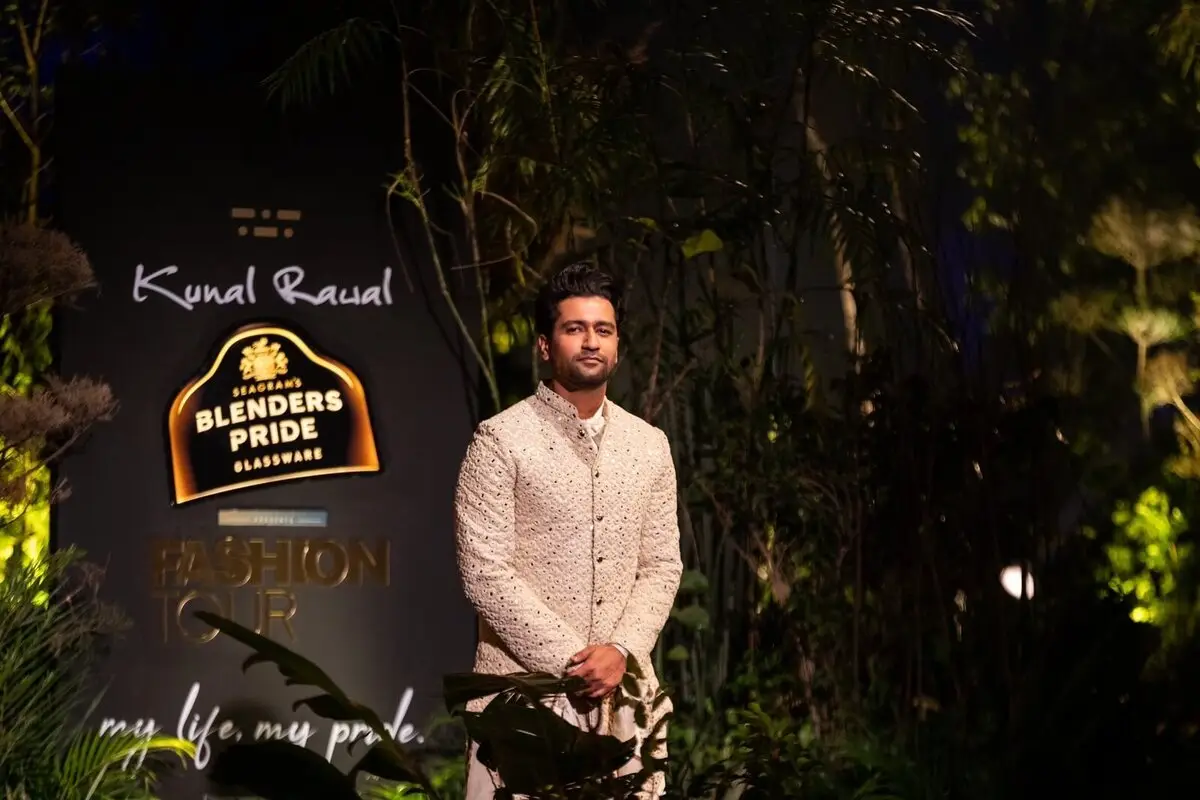
This growing preference for hybrid dressing is becoming increasingly visible across experiential fashion platforms and designer showcases. Modern Indian fashion continues to embrace innovation, layered craftsmanship, and statement driven styling narratives. These evolving creative expressions are often reflected through experiences like the Blenders Pride Fashion Tour.
From draped saree gowns to structured co-ords inspired by traditional tailoring, modern Indo-Western outfits reflect a generation that values individuality without disconnecting from tradition. Their appeal lies in balancing Indian aesthetics with contemporary fashion sensibilities. This combination allows traditional elements to feel more versatile and relevant to modern style preferences.
OVERVIEW
- Introduction
- Why Indo-Western Fashion Continues to Grow
- The Rise of Hybrid Dressing in Modern Fashion
- How Designers Are Reinventing Indo-Western Style
- Traditional Craftsmanship Meets Contemporary Tailoring
- Why Indo-Western Outfits Appeal to Younger Audiences
- Conclusion
Why Indo-Western Fashion Continues to Grow
Unlike heavily traditional clothing, which is often reserved for weddings or festive occasions, Indo Western attire offers greater versatility. It easily transitions across cocktail evenings, fashion showcases, and contemporary social events.
Modern consumers increasingly prefer outfits that feel culturally expressive while still aligning with global fashion aesthetics. This is where Indo-Western style naturally stands out. A sharply tailored blazer layered over a draped silhouette creates a modern yet traditional look. Similarly, an embroidered cape paired with structured trousers balances contemporary style with traditional elegance.
The versatility of these combinations allows designers to experiment freely with proportions, layering techniques, and silhouettes. At the same time, they continue to maintain the visual richness associated with Indian fashion.
The Rise of Hybrid Dressing in Modern Fashion
The growing popularity of hybrid dressing reflects a larger shift within contemporary fashion culture. People are moving toward styling that feels expressive rather than formulaic, combining traditional garments with modern tailoring to create looks that feel more personal and fashion-forward.
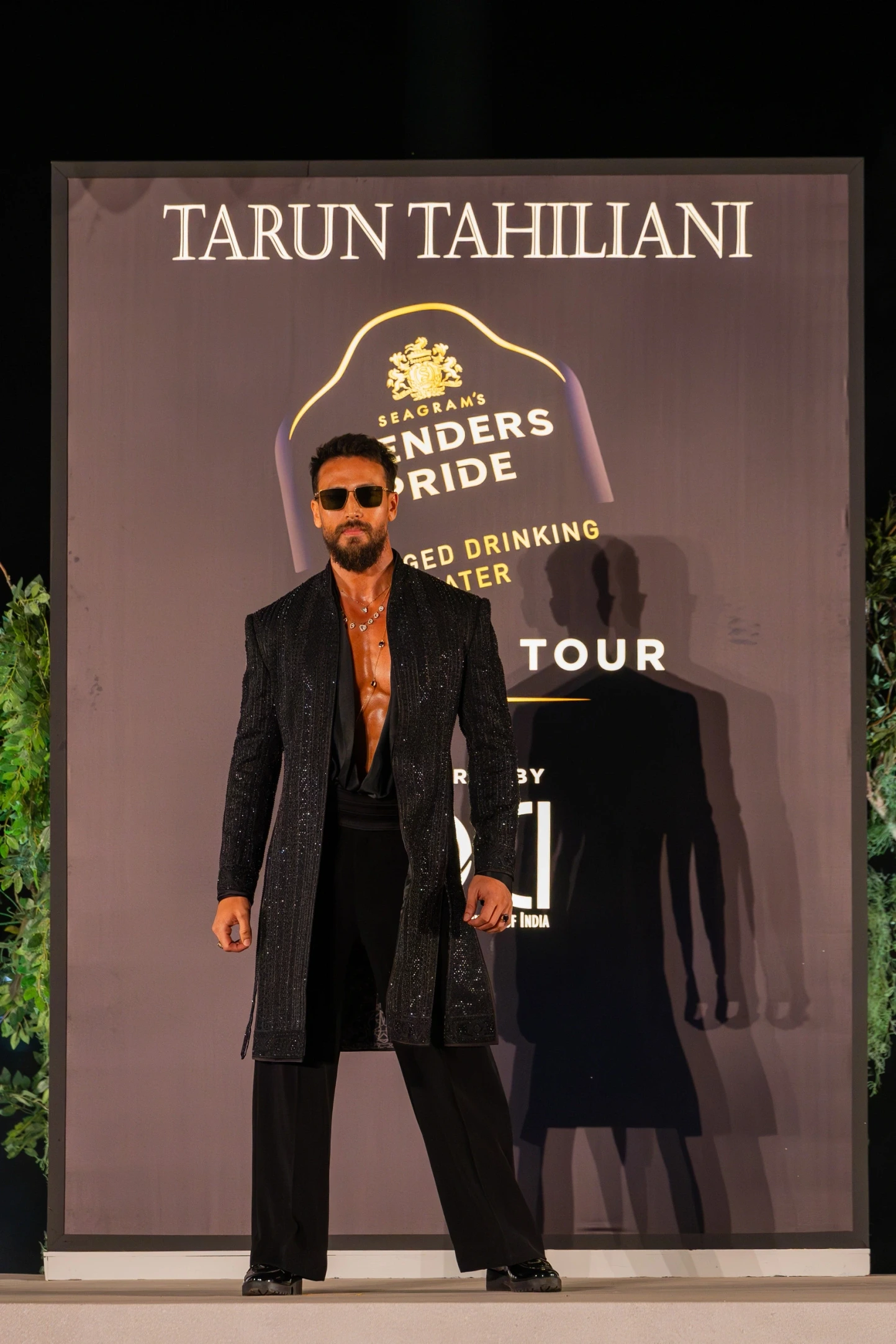
Social media, celebrity styling, and runway experimentation have accelerated this movement significantly. Contemporary fashion now frequently includes corset blouses styled with sarees. It also features fusion gowns inspired by lehenga structures and asymmetrical ethnic jackets paired with modern separates.
This evolution has also appeared across major fashion showcases over the years. During various editions of the Blenders Pride Fashion Tour, designers explored silhouettes that balanced Indian craftsmanship with global runway aesthetics.
Tarun Tahiliani, known for his signature draped structures and fluid fusion silhouettes, has consistently reinterpreted traditional Indian attire through modern tailoring techniques. His designs naturally align with the essence of Indo-Western style.
Similarly, Amit Aggarwal has reflected a futuristic interpretation of traditional Indian craftsmanship through sculpted garments and innovative textile work. Falguni Shane Peacock, on the other hand, has contributed to fashion’s growing fascination with statement-led fusion wear through layered embellishments and contemporary styling.
Also Read: https://www.blenderspridefashiontour.com/blog/fashion-shows-revolutionizing-indian-fashion-2025
How Designers Are Reinventing Indo-Western Style
Designers have transformed Indo-Western outfits from occasional fusion wear into full-scale luxury fashion statements.
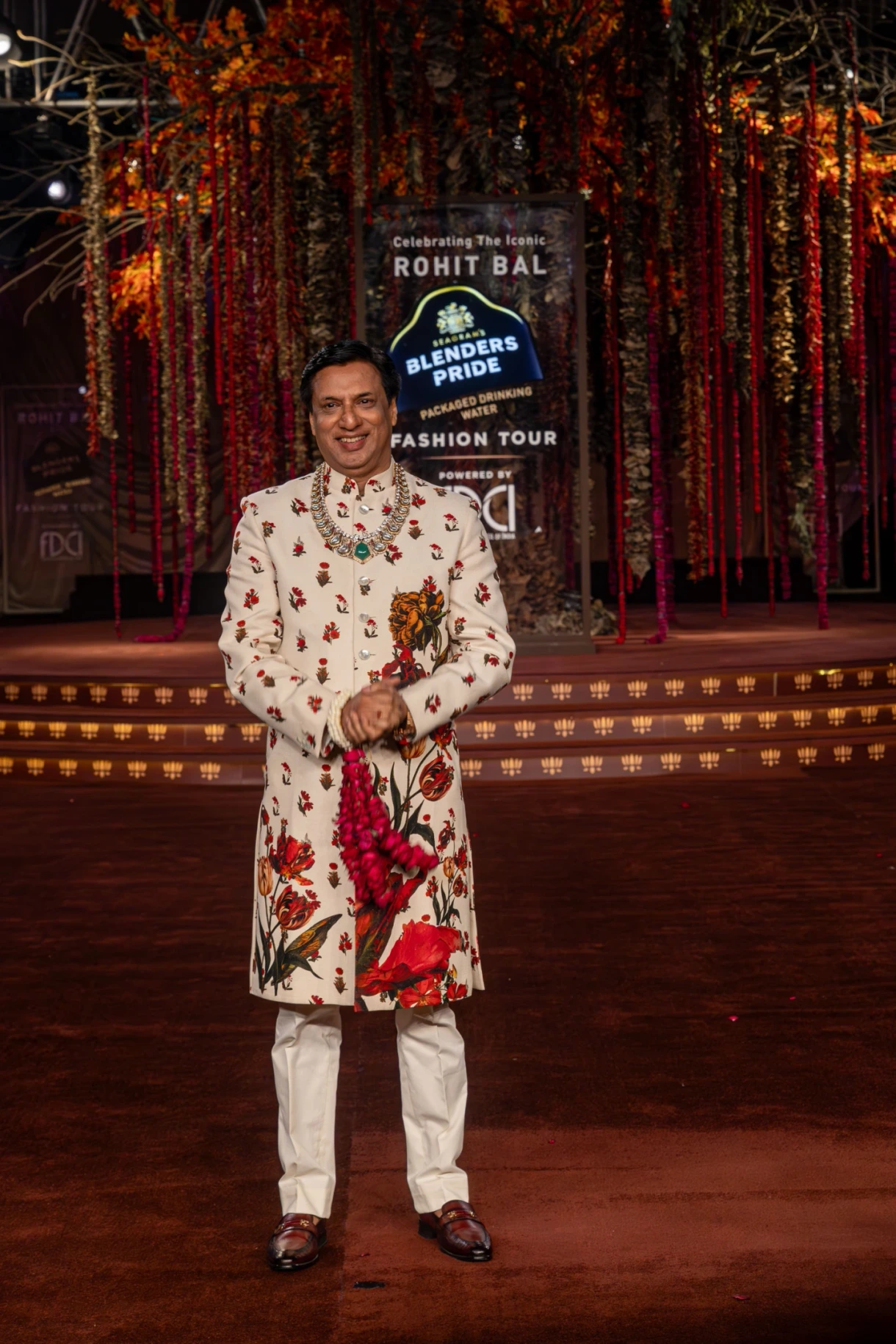
Many contemporary collections now focus on cleaner cuts, fluid drapes, and elevated layering rather than excessive ornamentation. Designers are increasingly embracing a more refined and modern aesthetic.
Structured co-ords featuring traditional embroidery have become increasingly common within designer fashion. Modern saree gowns, cape sets, and sharply tailored sherwanis with contemporary detailing are also gaining popularity.
Several fashion platforms associated with experiential showcases have encouraged this shift by creating spaces where innovation-led styling narratives dominate the runway.
Rather than treating traditional and modern fashion as separate identities, designers are now blending both seamlessly. This is being achieved through silhouette experimentation and textile innovation.
This subtle integration of heritage craftsmanship within contemporary fashion keeps Indo Western attire visually rich while making it more wearable for modern audiences.
Traditional Craftsmanship Meets Contemporary Tailoring
What makes Indo-Western fashion especially unique is the way it preserves Indian craftsmanship while adapting to evolving style preferences.
Hand embroidery, mirror work, zardozi detailing, and heritage textile techniques are now being incorporated into modern cuts. Jumpsuits, jackets, gowns, and layered separates are becoming popular examples of this fusion. Instead of relying entirely on conventional silhouettes, designers are introducing these elements through more contemporary structures and streamlined tailoring.
This balance keeps traditional artistry relevant for younger audiences who seek modern styling without completely disconnecting from cultural aesthetics.
Why Indo-Western Outfits Appeal to Younger Audiences
Younger consumers are increasingly drawn toward fashion that feels versatile, expressive, and visually distinctive. Indo-Western style allows exactly that.
The styling possibilities feel endless. Embroidered jackets can complement monochrome outfits, sarees can be styled with belts or structured blouses, and traditional detailing can exist effortlessly within minimalist silhouettes. This flexibility makes Indo-Western outfits adaptable to both luxury fashion and contemporary everyday dressing.
As individuality-led styling continues dominating fashion culture, hybrid dressing is expected to remain one of the defining aesthetics shaping modern Indian fashion.
CONCLUSION
The growing influence of Indo-Western fashion reflects how contemporary style continues evolving through cultural fusion, craftsmanship, and innovation.
By blending traditional artistry with modern tailoring, Indo-Western attire creates a balance between heritage and contemporary expression. Across fashion runways, designer collections, and experiential showcases associated with evolving luxury fashion narratives like the Blenders Pride Fashion Tour, this fusion-driven aesthetic continues redefining how modern audiences engage with Indian fashion.
Perhaps that enduring balance between tradition and reinvention is exactly what keeps Indo-Western style continuously relevant within contemporary fashion culture.