
Once upon a time, the world of fashion was neatly divided. On one side stood the hallowed halls of Haute Couture, a realm of untouchable artistry, exquisite craftsmanship, and made-to-measure exclusivity. It was the world of grand ateliers, whispered secrets, and garments that were less clothing and more sculpture. On the other side, there was the street—a raw, unfiltered showcase of everyday style. This was the domain of streetwear, a culture born from the rebellious spirit of skate parks, hip-hop circles, and urban subcultures. It was about comfort, community, and authenticity. For decades, these two worlds circled each other from a distance, like two different planets in the same solar system. But today, that distance has collapsed. The planets have collided, and from the creative explosion has emerged a new universe: the world of hybrid fashion.
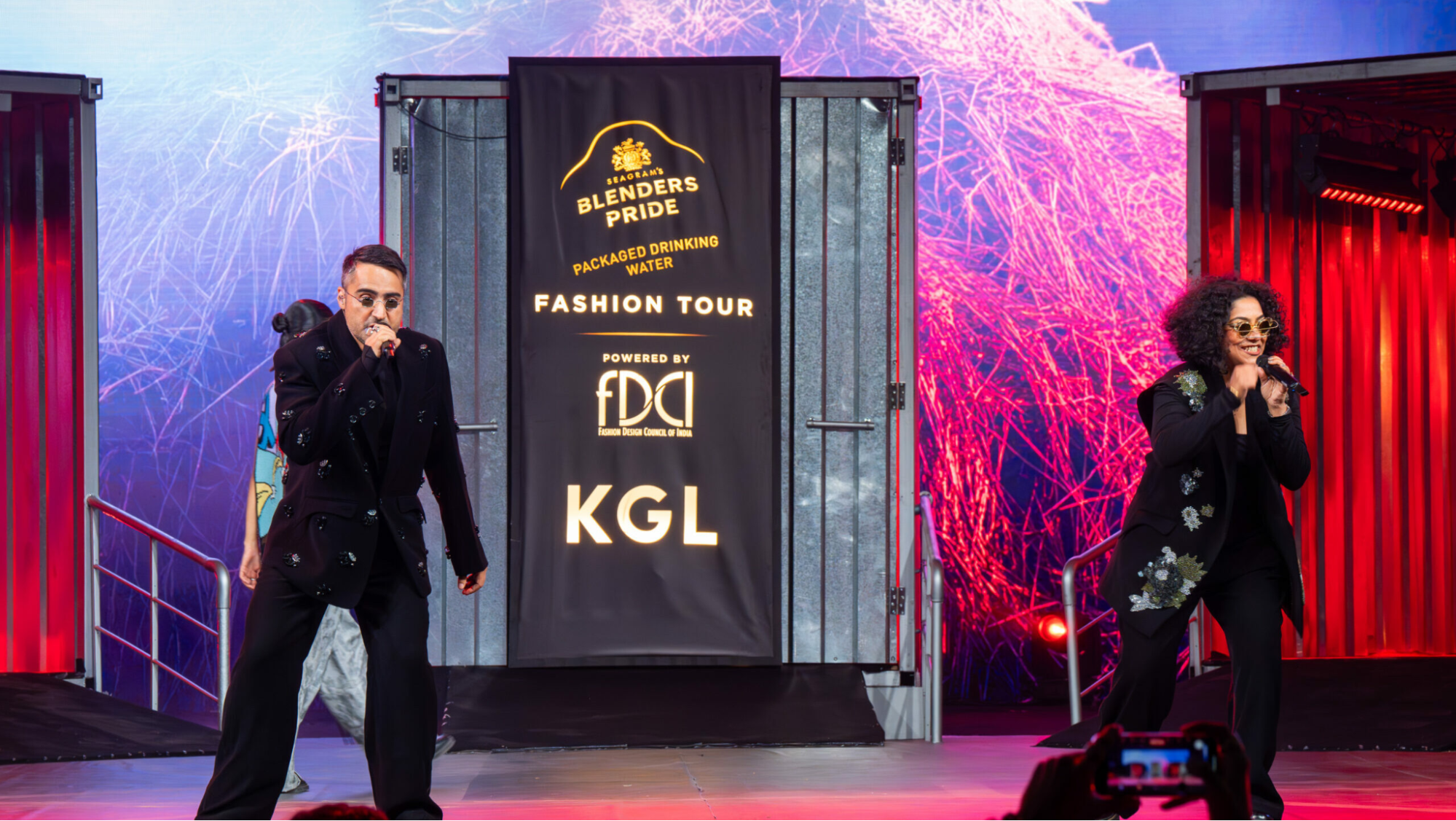
This isn’t just about a celebrity wearing a hoodie with a bespoke ball skirt or a luxury brand slapping its logo on a pair of sneakers. It is a fundamental and thrilling recalibration of what designer clothing means in the 21st century. The rigid boundaries have dissolved, giving rise to a new generation of hybrid designer clothing brands that speak a language fluent in both luxury and relatability, heritage and hype. This seismic shift is not just happening in Paris, Milan, or New York; it is vibrantly alive in India, where platforms like the Blenders Pride Fashion Tour are becoming the crucibles for this exciting new aesthetic, showcasing designers who are masterfully blending the opulent with the everyday.
The Old Guard vs. The New Wave: Deconstructing the Divide
To truly appreciate the revolution, we must first understand the old regimes. What happens when the democratic uniform of the streets crashes the exclusive party of high fashion? The result is a vibrant, and sometimes chaotic, new order.
What Was Couture Fashion?
For over a century, couture fashion was the pinnacle of the sartorial world. Governed by the strict rules of Paris’s Chambre Syndicale de la Haute Couture, it represented an uncompromising commitment to artistry. Think of couture clothing not as apparel, but as wearable art. Each piece was a testament to hundreds, sometimes thousands, of hours of meticulous handwork—from intricate beading and embroidery to flawless tailoring and draping. It was made-to-measure for a tiny clientele of the world’s wealthiest, a symbol of ultimate status and fantasy.
In India, this spirit of opulence and heritage was embodied by Rohit Bal. This year’s Blenders Pride Fashion Tour presented a moving tribute to him in Gurugram, a powerful reminder of his legacy. Bal’s world was one of magnificent, history-drenched creations, drawing from India’s rich craft traditions to create garments that were nothing short of majestic. This was fashion as aspiration, a dream woven from silk and gold thread.
The Democratic Uniform of the Streets
Streetwear, in contrast, was born from the ground up. It wasn’t dictated by designers in ivory towers; it was created by and for the communities that wore it. Its roots lie in the surf culture of California, the skate scene of New York, and the explosive energy of hip-hop. The uniform was simple and functional: graphic t-shirts, hoodies, baggy jeans, and, most importantly, sneakers. It was about belonging to a tribe, signalling your cultural allegiances through logos and brand names. The business model was also different, built around the “drop”—limited-edition releases that created immense hype and a sense of insider exclusivity for the masses. It was fashion as identity, a statement of who you are and where you come from.
The Inevitable Collision
So, what caused these two disparate worlds to collide? The primary catalyst was the internet. Social media platforms like Instagram dismantled the top-down hierarchy of fashion. Suddenly, influence was democratized. The personal style of a rapper, athlete, or influencer began shaping trends in real time, often complementing and amplifying what was shown on runways. A new generation of consumers—Millennials and Gen Z—emerged with a different value system. They had grown up online, fluent in the language of both high fashion and street culture. They craved the quality and status of luxury but also the authenticity and comfort of streetwear. They saw no contradiction in wanting both. For them, a Balenciaga sneaker and a Chanel bag were not opposing ideas; they were just different facets of a modern identity.
The Anatomy of Hybrid Fashion
This new hybrid fashion is far more sophisticated than simply mixing high and low pieces in an outfit. It represents a deep, philosophical fusion that is changing the very fabric of design. It’s a design ethos built on creative tension and juxtaposition.
Redefining Fashion: Structure, Substance, and Street
The true magic of hybrid design lies in the details, where the DNA of both worlds is expertly spliced together. We can break down its anatomy into three key elements:
- The Silhouette: This is where the blend is most visible. Designers are merging the structure of couture with streetwear’s relaxed forms—like a blazer with hoodie proportions or tailored cargo pants. At the Guwahati finale, Pawan Sachdeva’s ‘The Dis-Aligned’ embodied this “controlled chaos,” mixing sharp cuts with unexpected shapes.
- The Material Play: Luxury meets utility as silks and brocades shape bomber jackets and track pants, while tech fabrics like neoprene are molded into couture silhouettes. This mix challenges the line between “casual” and “luxurious.”
- The Craftsmanship Crossover: Couture techniques are now applied to everyday wear—think embroidered sweatshirts or painted denim. Tarun Tahiliani’s ‘Dreamscape’ collection in Mumbai showcased this perfectly, especially in the ‘Zartaar’ segment, where traditional embroidery met modern form in a truly hybrid expression of fashion.
The Indian Context: A New Chapter in Style
In India, this global trend has found a particularly fertile ground, and the Blenders Pride Fashion Tour has become its most prominent stage. The tour, in collaboration with the Fashion Design Council of India (FDCI), consistently champions designers who are pushing these boundaries.
Kanika Goyal’s showcase in Chandigarh was a quintessential example. Described as “youthful, adventurous edgy street fashion,” her collection seamlessly blended “street luxe with bold, avant-garde expressions.” With its bold silhouettes and vibrant hues, it was a perfect encapsulation of the hybrid spirit, resonating deeply with the tour’s focus on self-expression and individuality.
The grand finale in Guwahati, themed “Play En-Vogue,” further cemented this direction by redefining AT-LEISURE wear. The lineup was a trifecta of hybrid visionaries:
Nitin Bal Chauhan’s ‘CHAMUNDA’ collection was a stroke of genius, reinterpreting medieval armour for the modern street. It was a literal fusion of historical craftsmanship and contemporary urban wear, highlighted by stunning hand-painted artworks.
Abhishek Patni of NoughtOne brought his ‘Racer 01’ collection, a high-octane fusion of streetwear aesthetics and rockstar cool. His stated goal of merging “street sensibilities with high-end aesthetics” is the very definition of a hybrid designer brand.
Pawan Sachdeva, as mentioned, disrupted traditional forms, proving that even chaos can be executed with premium materials and innovative techniques.
These designers, and the platform that elevates them, demonstrate that hybrid fashion in India is not just an import; it is being reinterpreted through a uniquely Indian lens, rich with local craft, history, and a bold, forward-thinking spirit.
The Architects of the New Look: Designers and Brands Leading the Charge
This revolution wasn’t an accident; it was orchestrated by a handful of visionary designers and brands who dared to tear down the old walls.
Global Pioneers
Visionaries like Virgil Abloh (Louis Vuitton), Kim Jones (Dior Men), and Demna Gvasalia (Balenciaga) redefined luxury by integrating streetwear’s culture and collaborative spirit into legacy houses. Iconic collaborations like Supreme x Louis Vuitton weren’t just commercial wins—they reshaped global fashion, legitimizing the streetwear-couture blend.
India’s Innovators: Pushing Beyond Style
In India, designers like Akshat Bansal of Bloni are taking hybridity even further—into technology and process. His Vizag showcase featured AI-generated visuals, 3D elements, and photochromatic textiles that transformed on the runway, creating an immersive, tech-powered fashion experience.
This evolution goes beyond style—it’s about blending disciplines. The Blenders Pride Fashion Tour embraced this fully, integrating live music from artists like Hari & Sukhmani, Ritviz, and KR$NA to create a multi-sensory celebration of fashion, street culture, and creativity.
Conclusion: The New Status Quo
The divide between runway and street is gone—replaced by a fluid, collaborative ecosystem. The fusion of streetwear and couture isn’t a trend; it’s the dominant language of modern fashion.
This new era brings freedom: designers blend influences and techniques without limits, while consumers craft personal style on their own terms. Platforms like the Blenders Pride Fashion Tour don’t just showcase fashion—they nurture its future, spotlighting the visionaries shaping what’s next.
From tech-driven fabrics to sustainable design, the future of fashion is hybrid, inclusive, and thrillingly unpredictable.