
Introduction: Before the Runway, There Is a Sketch
Every couture collection begins with an idea.
Before the fabrics. Before the fittings. Before the runway. There is a sketch.
Fashion illustration often marks the beginning of a collection’s journey. It allows designers to develop ideas before they take shape as garments. While couture is often celebrated for its craftsmanship and final presentation, the process usually begins with a sketch. Even as fashion continues to evolve, illustration remains an important part of how ideas take shape.
Because every iconic look begins as a drawing.
TABLE OF CONTENTS
- The Role of Illustration in Fashion
- Fashion Drawing Techniques That Bring Ideas to Life
- Couture Design Sketches: Where Every Collection Begins
- Digital Fashion Illustration and the New Creative Process
- Fashion Illustration Trends Shaping Modern Couture
- The Enduring Influence of Fashion Illustration
- From Sketchbook to Runway
- Conclusion
The Role of Illustration in Fashion
Fashion illustration is much more than a drawing. Designers use illustrations to shape and communicate their ideas before a garment is created. They help turn early concepts into something that can be developed throughout the design process. In couture, a sketch often becomes the starting point for a collection. It helps establish the direction of a design before it takes physical form and provides a foundation for the work that follows. Even as technology continues to reshape fashion, illustration remains one of the most effective ways to communicate a creative vision.
Fashion Drawing Techniques That Bring Ideas to Life
Fashion drawing techniques have evolved over time, but their purpose remains unchanged.They help designers develop ideas before a collection moves into development. Some designers favour loose, expressive sketches that capture the energy and movement of a garment, while others focus on precision and technical accuracy to communicate construction details. Designers often use different illustration techniques depending on the stage of the design process. Some sketches focus on movement and form, while others help communicate construction details before a garment is created. Regardless of style or medium, fashion illustration remains an essential tool for shaping ideas and guiding the creative process.
Couture Design Sketches: Where Every Collection Begins
In couture, every detail matters. Before embroidery is applied or a silhouette is draped, it usually exists as a sketch. Couture design sketches help establish the visual direction of a collection while providing a foundation for craftsmanship and execution. These drawings are not simply artistic expressions. They also serve as blueprints for the work that follows. They guide everything from proportions and detailing to colour palettes and garment construction. Couture sketches often include notes on embroidery placement, fabric selection, and hand-finished detailing. These visual plans help ateliers translate artistic concepts into garments that can require hundreds of hours of craftsmanship. In many ways, the sketch becomes the first version of the final garment.
Digital Fashion Illustration and the New Creative Process
Technology has transformed the way fashion illustrations are created and shared. Digital fashion illustration has become an increasingly important part of the design process, giving designers more flexibility to develop and refine their ideas. Digital tools also streamline collaboration, making it easier for designers, creative teams, and ateliers to review, refine, and adapt concepts throughout a collection’s development. Advanced software allows for quick iterations, helping designers visualise multiple possibilities before production begins. However, technology has not replaced traditional illustration; it has expanded its possibilities. Today, many designers combine hand-drawn techniques with digital tools, creating a creative process that balances craftsmanship with innovation.
Read this: https://www.blenderspridefashiontour.com/blog/how-digital-fashion-is-redefining-fashion-shows
Fashion Illustration Trends Shaping Modern Couture
Fashion Illustration Trends Shaping Modern Couture Fashion illustration continues to evolve alongside the industry. Beyond capturing silhouettes, it is increasingly being used to convey the mood, movement, and narrative behind a collection. Many illustrations today function as visual storytelling tools, communicating not only what a garment looks like but also the emotion and inspiration that inform its design. This shift reflects the changing role of fashion itself, where creating an experience is often as important as creating the garment. Current trends in fashion illustration include expressive line work, mixed-media compositions, and digitally enhanced renderings that combine traditional artistry with modern technology. There is also a growing emphasis on diversity, individuality, and cultural storytelling, allowing illustrations to reflect the broader narratives shaping contemporary fashion. As couture continues to embrace innovation, fashion illustration remains a powerful medium for capturing both creativity and craftsmanship.
The Enduring Influence of Fashion Illustration
Fashion illustration has long been an important part of the industry. It helps give shape to ideas and offers a way to communicate concepts before they become garments.
Over the years, illustration has influenced how fashion is presented and understood. It allows designers to share the essence of a collection long before it reaches the runway.
As fashion continues to evolve, illustration remains relevant. It continues to play a valuable role in the creative process and remains closely connected to the world of couture.
From Sketchbook to Runway
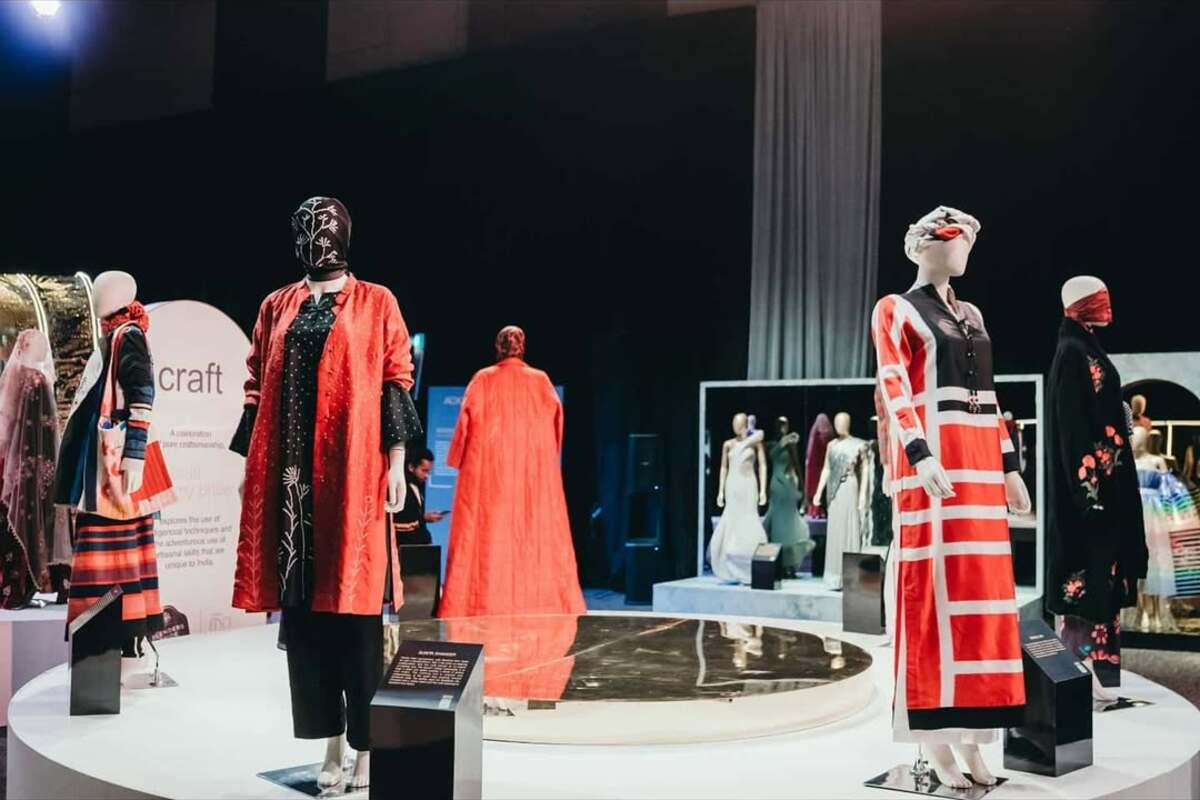
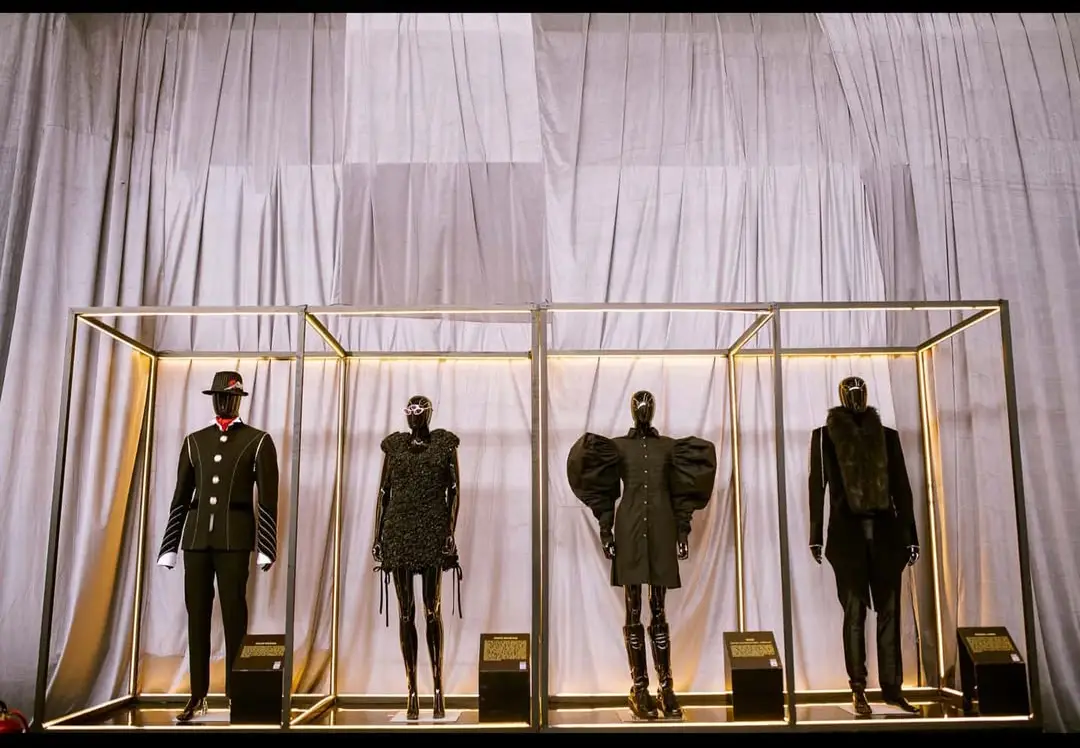
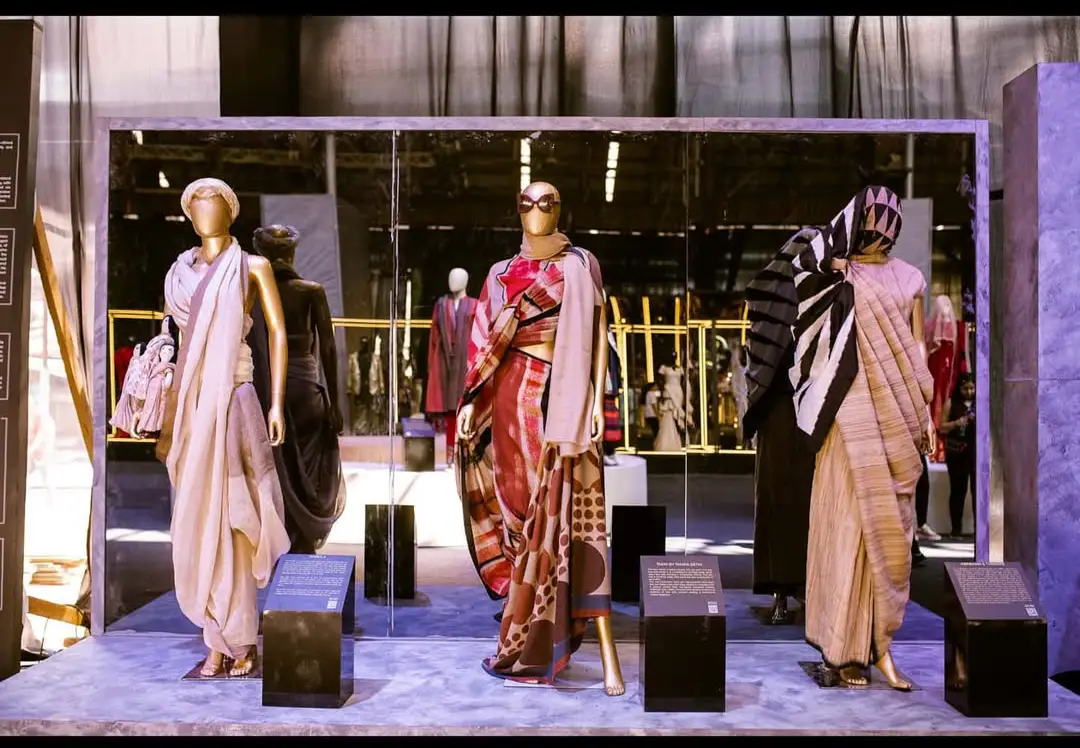
The connection between illustration and couture remains as relevant as ever. At the Blenders Pride Fashion Tour 2025, Falguni Shane Peacock presented a collection defined by dramatic silhouettes and intricate detailing. The showcase demonstrated how an initial design vision evolves through multiple stages of refinement, from illustration and concept development to craftsmanship and runway presentation. While audiences experienced the finished garments on the runway, each look had gone through a long creative process. The collection highlighted the close relationship between fashion illustration and couture, showing how early ideas can develop into finished designs. This journey from sketchbook to runway continues to influence the way designers approach fashion, proving that every collection begins with imagination before it becomes reality.
Conclusion: The Power of the First Sketch
Fashion is often remembered for what appears on the runway. Yet the creative journey begins much earlier. Fashion illustration may stay behind the scenes, but its influence is visible in every finished collection. The runway presentations at the Blenders Pride Fashion Tour are the result of a creative process that begins much earlier, where ideas are first explored through sketches before taking physical form. As fashion evolves, illustration will continue to play a defining role in shaping the collections of tomorrow.