
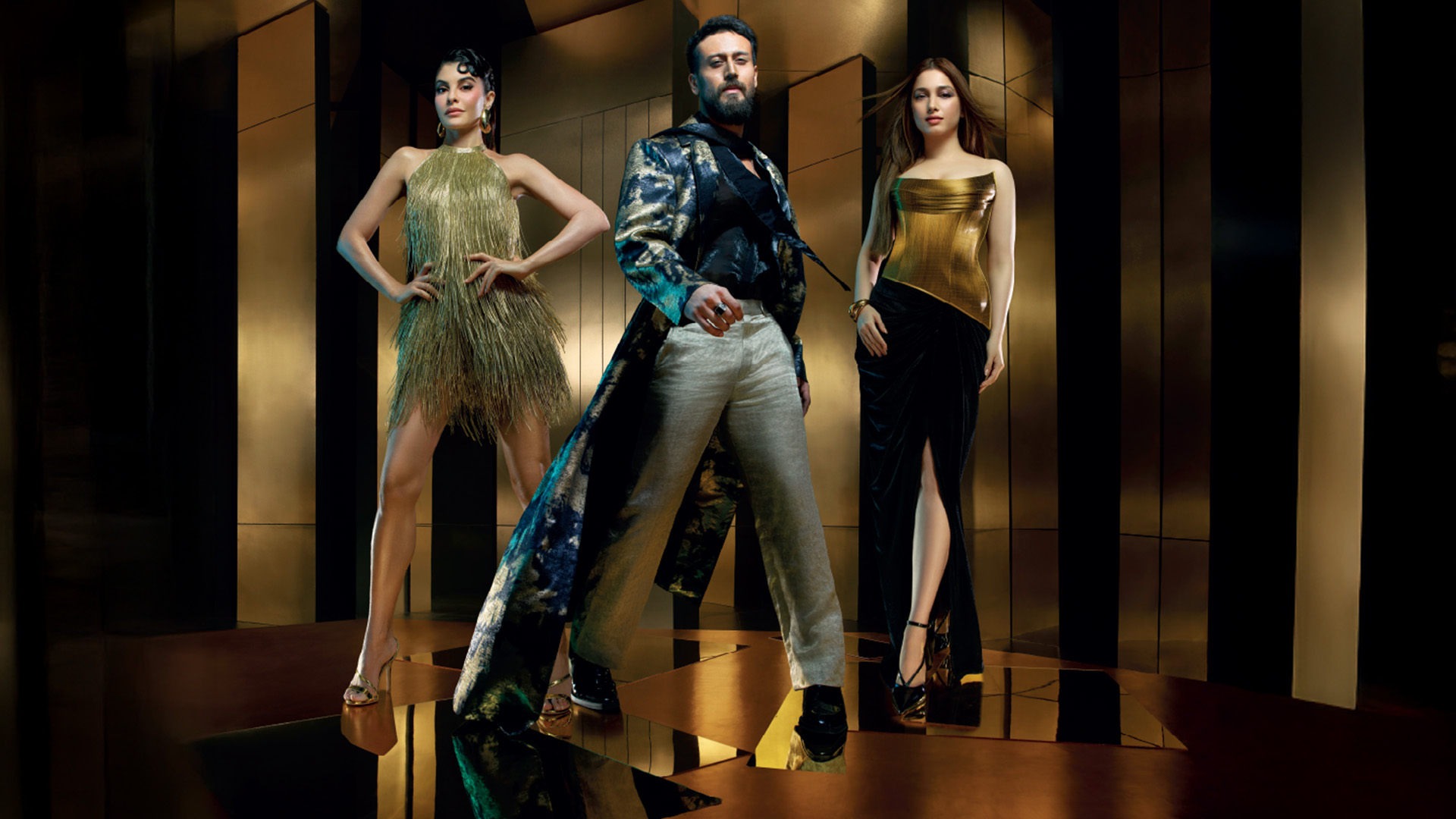
For decades, the fashion show has been a spectacle of exclusivity, an institution, a ritual that dictated trends and defined luxury. But today, the hallowed halls of high fashion are being rewired from the inside out. The catalyst for this revolution is technology, and its most potent expressions, digital fashion and virtual fashion, are not just adding a new layer to the experience—they are fundamentally redefining the very essence of fashion shows.
This transformation isn’t a far-off, futuristic concept; it’s happening right now. We’re witnessing a seismic shift from passive viewing to active participation, from physical limitation to digital liberation. This evolution is perhaps best observed in platforms that are actively bridging the gap between tradition and innovation. A prime example is the Blenders Pride Fashion Tour, which has become a crucible for this new era, demonstrating how technology, immersive experiences, and a focus on individuality are crafting the future of fashion presentation.
Let’s explore the key ways this digital wave is reshaping the runway.
The Democratization of the Front Row
The most immediate and impactful change brought about by digital integration is the dissolution of exclusivity. The front row, once reserved for a select few editors, buyers, and celebrities, is now theoretically infinite. Through high-definition livestreams, interactive social media campaigns, and virtual reality (VR) experiences, fashion shows have broken free from their geographical and social constraints.
Anyone with an internet connection can now be an attendee. This accessibility transforms the show from a closed-door industry event into a global cultural moment. It fosters a direct connection between the designer and a worldwide community of enthusiasts, bypassing traditional gatekeepers.
This spirit of accessibility was mirrored by the Blenders Pride Fashion Tour 2025. By taking its showcases to various cities across India, including Gurugram, Chandigarh, Mumbai, Vizag, and Guwahati, the show physically broke down the barriers that have historically concentrated high fashion in a few metropolitan hubs. While these were physical events, their extensive digital amplification—through social media, influencer collaborations, and online coverage—ensures that the experience reaches a far wider youth audience. This approach aligns perfectly with the democratic ethos of the digital age, proving that the desire to make fashion more inclusive is a driving force both online and offline.
The Rise of Immersive and Phygital Experiences
The modern fashion show is no longer just a display of clothes; it’s a multi-sensory, immersive event. The line between the physical and digital, or “phygital,” is becoming increasingly blurred, creating richer, more memorable experiences. Today’s designers are not just creators of garments but architects of worlds.
The Blenders Pride Fashion Tour exemplified this shift. Consider Tarun Tahiliani’s showcase in Mumbai. Staging his show on a majestic floating runway against the city’s coastline was a masterstroke of experiential design. It wasn’t just a backdrop; it was an integral part of the narrative, an unforgettable spectacle that translated with stunning power through digital screens worldwide. This fusion of a breathtaking physical setting with a global digital broadcast is the heart of a successful phygital event.
Furthermore, the tour masterfully blends fashion with other art forms, particularly music. When the folk-tronic duo Hari & Sukhmani performed live on the runway for Kanika Goyal’s show, or when Ritviz’s pulsating beats accompanied Akshat Bansal’s collection, the event transcended a typical fashion presentation. It became a concert, a party, and an art installation rolled into one. This synergy creates a powerful emotional resonance that a silent runway simply cannot match, engaging audiences on a much deeper level, whether they are in the room or watching online.
This is where the direct influence of digital fashion becomes most apparent. Designer Akshat Bansal’s Bloni label presented a collection that was a dialogue between technology and apparel. He incorporated AI-generated visuals and 3D-modelled elements directly into his showcase. The audience was captivated by photochromatic fabrics that transformed under the runway lights. This wasn’t just fashion enhanced by technology; this was technology as fashion. It offered a glimpse into a future where garments are dynamic, interactive, and digitally native, completely redefining what can be presented during a fashion show.
The Future is a Hybrid Runway
The rise of digital fashion doesn’t spell the end of the physical runway. The tactile thrill of seeing a beautifully crafted garment in person, the combined energy of a live audience, and the cultural significance of a physical gathering are irreplaceable. Instead, what we are moving towards is a hybrid future—a more dynamic, inclusive, and creative ecosystem for fashion presentation.
Read Also – Streetwear Meets Couture: The Rise of Hybrid Designer Brands
Conclusion
Fashion show like the Blenders Pride Fashion Tour prove that the runway is no longer a narrow strip of wood, but an expansive, multidimensional stage where the boundaries between the real and the virtual are beautifully and excitingly blurred. The show is no longer just on the runway—it’s everywhere. The future of fashion shows lies in a seamless blend of the physical and virtual. It’s a world where a live runway show in one city is simultaneously a global VR event, where digital-only capsule collections drop during a physical show, and where the story of a collection unfolds across multiple platforms over weeks, not minutes.