
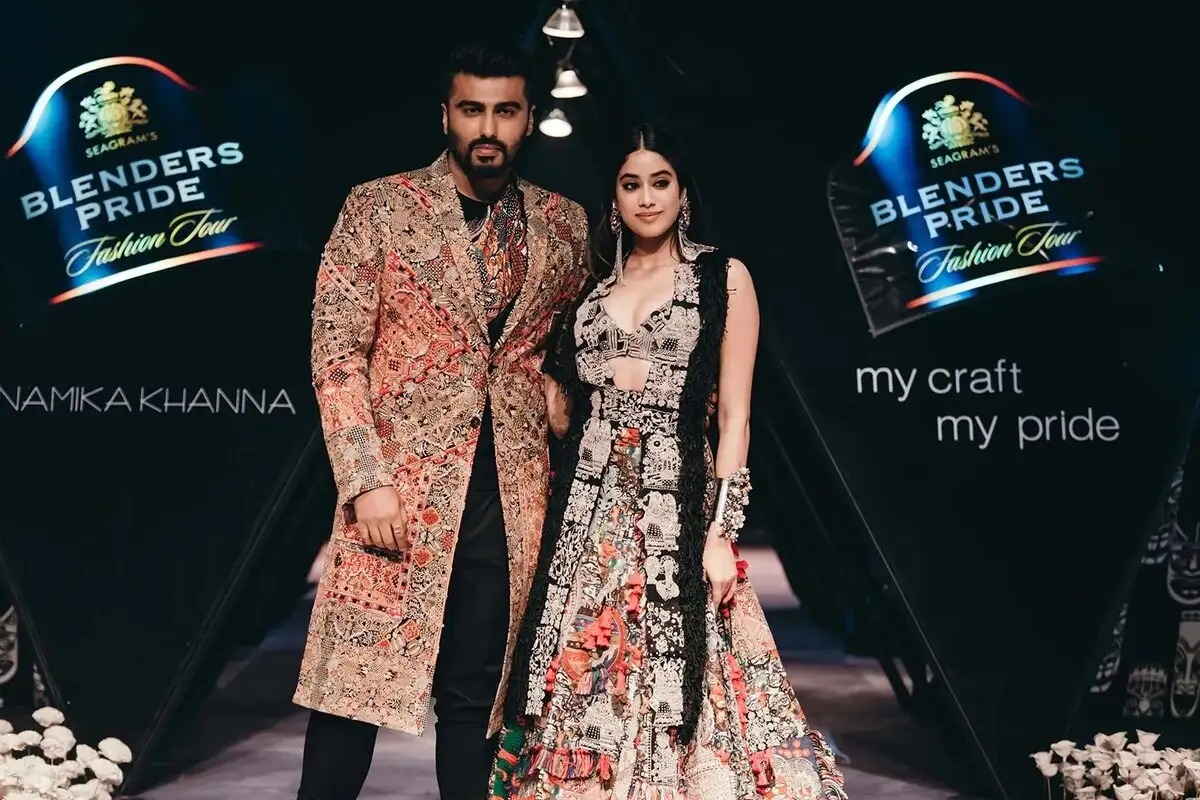
Durga Puja is one of those celebrations where getting dressed feels like part of the occasion itself. There are flowers in your hair, a little extra jewellery, plans to visit pandals and, somewhere in between all of it, the excitement of deciding what to wear. For many, the saree is what brings the whole look together. Bengali weaves, in particular, carry a sense of tradition that feels right at home during the festivities. And while these weaves have deep roots, the way they are styled keeps changing with time. That mix of tradition and new-age expression is something we often see in fashion too, including at the Blenders Pride Fashion Tour, where designers bring their own contemporary take on Indian dressing.
Table of Contents
- The Weaves That Tell a Story
- Understanding the Classic Bengali Drape
- Sarees Made for Festive Days
- Styling Your Durga Puja Look
- When Bengali Craft Meets Contemporary Fashion
- The Future of Bengali Weaves
The Weaves That Tell a Story
Bengal has a rich textile heritage, with each weave bringing its own character to the wardrobe. Tant sarees are known for their lightweight feel and breathable texture, making them comfortable for long days of pandal hopping. Baluchari sarees are recognised for their detailed motifs and storytelling pallu, while Garad sarees are closely associated with the traditional white and red aesthetic seen during Bengali festivities. Together, these weaves show how much of Bengal’s heritage and cultural identity can be expressed through fabric.
Understanding the Classic Bengali Drape
The Bengali drape has a personality of its own. Unlike the more commonly seen Nivi style, it traditionally features broad pleats and a distinctive way of carrying the pallu over the shoulder. The pallu can also be brought forward and draped across the other shoulder, creating the dramatic silhouette that makes the style instantly recognisable. It looks graceful without feeling overly structured, which is perhaps why it has remained such a strong part of Bengali dressing.
Sarees Made for Festive Days
A Durga Puja wardrobe does not have to be all about heavy silk and elaborate embroidery. A simple cotton Tant can work beautifully for daytime celebrations, while a Baluchari or silk saree can bring a more festive mood to evening plans. The beauty of a Durga Puja saree is that the weave itself can become the statement. You do not always need layers of embellishment when the fabric already carries so much craftsmanship.
Styling Your Durga Puja Look
The classic combination of a red bindi, gold jewellery and a white and red saree is timeless for a reason. Add jhumkas, bangles and a traditional blouse for a familiar festive look. If you want something more contemporary, experiment with statement earrings, a structured blouse or even a sleek hairstyle. Small changes can make a traditional saree feel completely personal. Try pairing a handwoven saree with a contemporary blouse, adding a belt at the waist or choosing unexpected accessories. You can also move beyond the classic red and white palette with jewel tones, muted colours or deeper shades. The idea is not to change what makes the saree special, but to style it in a way that feels natural to you.
Also Read: https://www.blenderspridefashiontour.com/blog/navratri-outfit-guide-for-2026
When Bengali Craft Meets Contemporary Fashion
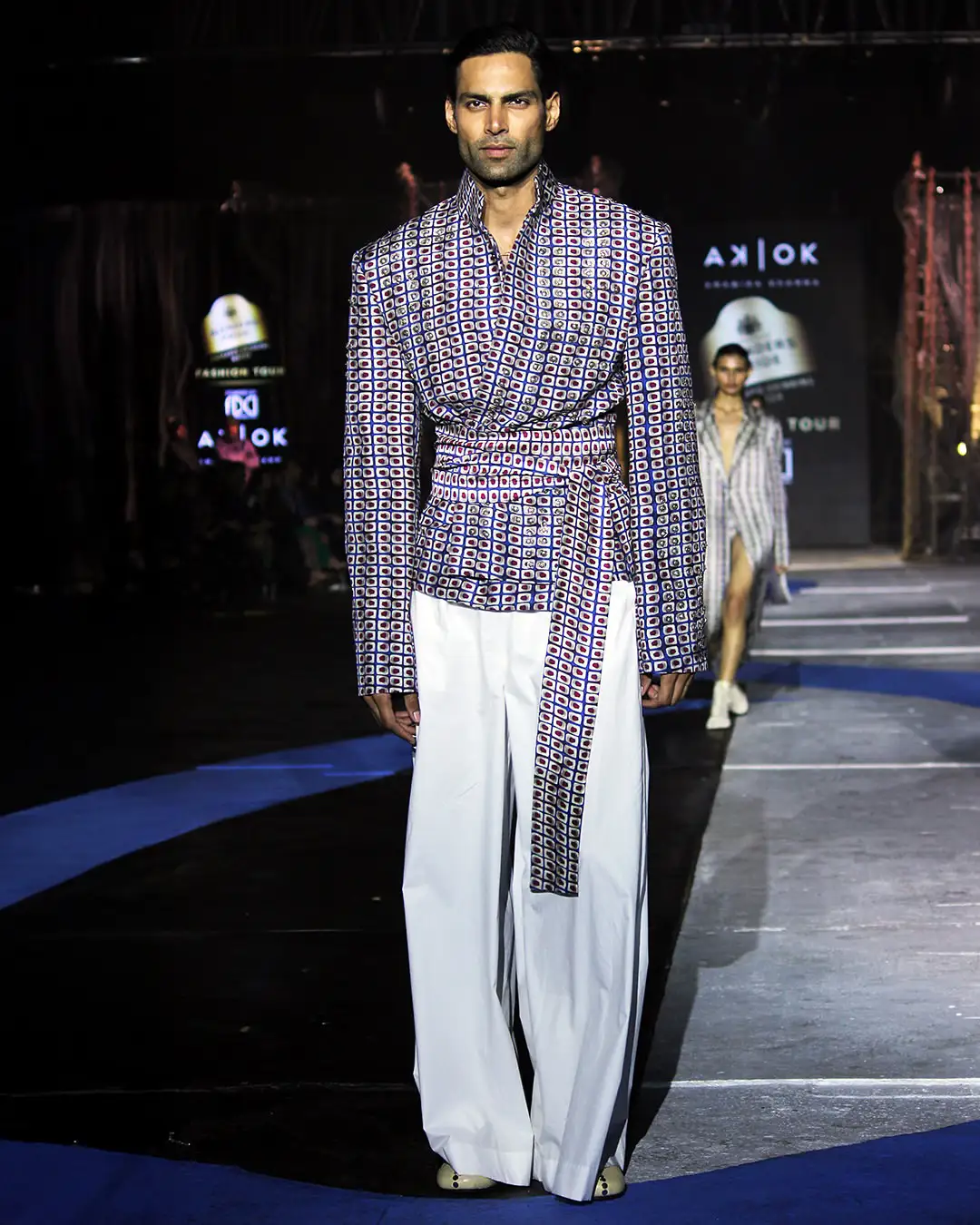
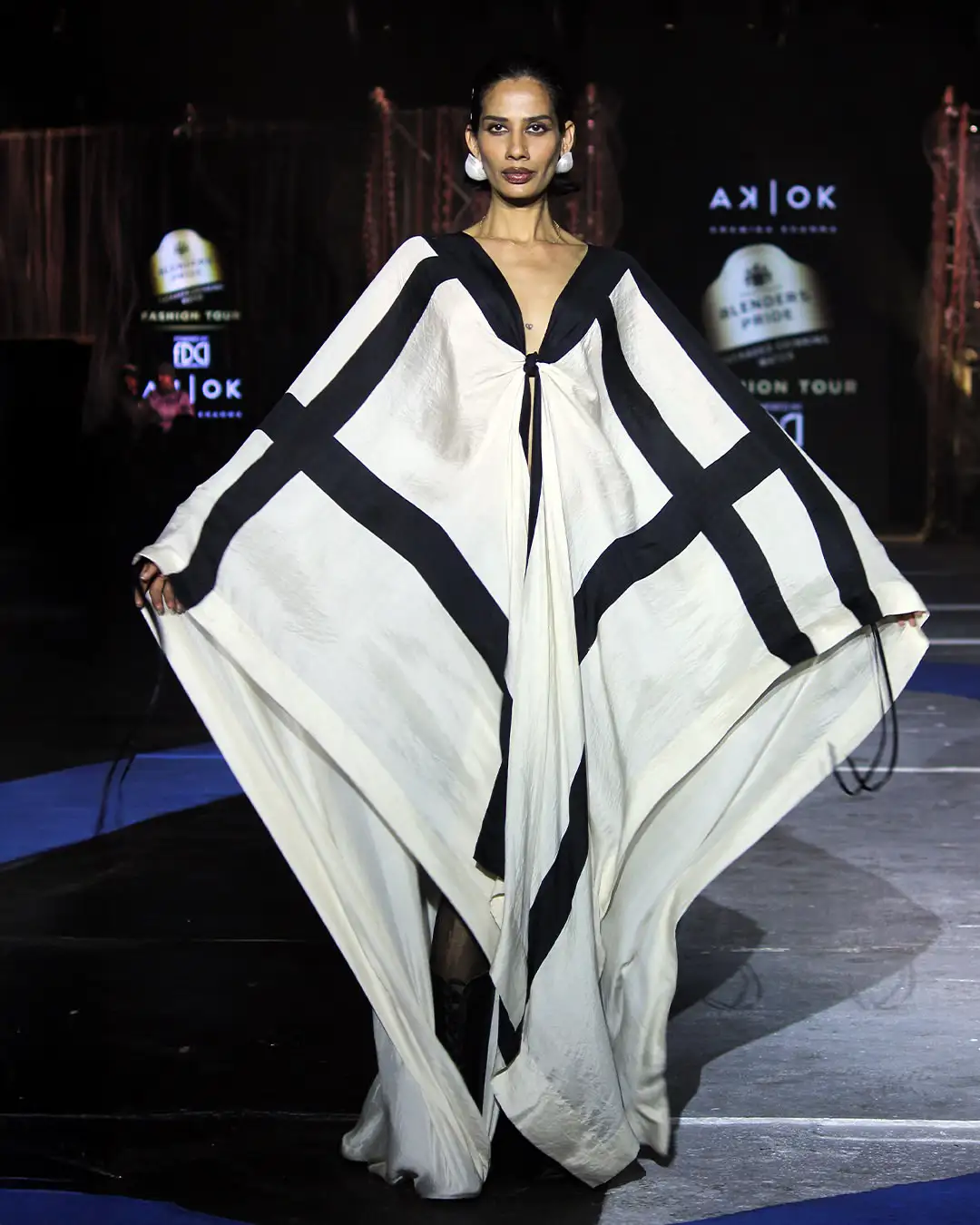
This conversation between heritage and modernity was also visible at the Kolkata edition of the Blenders Pride Fashion Tour, where Anamika Khanna presented her AK|OK collection on the banks of the Hooghly. The collection brought traditional techniques such as zardozi, chikankari and mirror work into deconstructed silhouettes, fluid drapes and futuristic tailoring. It showed how Indian craftsmanship can evolve without losing its connection to its roots.
The Future of Bengali Weaves
Perhaps the most exciting part is seeing where Bengali weaves go from here. As younger audiences discover traditional textiles through fashion, digital content and contemporary styling, these sarees have the opportunity to become part of wardrobes far beyond festive occasions. We may see more experimental drapes, unexpected blouse designs and modern interpretations of classic weaves. And maybe that is exactly how tradition stays alive: not by keeping it untouched, but by giving every new generation a reason to wear it, style it and make it their own.