
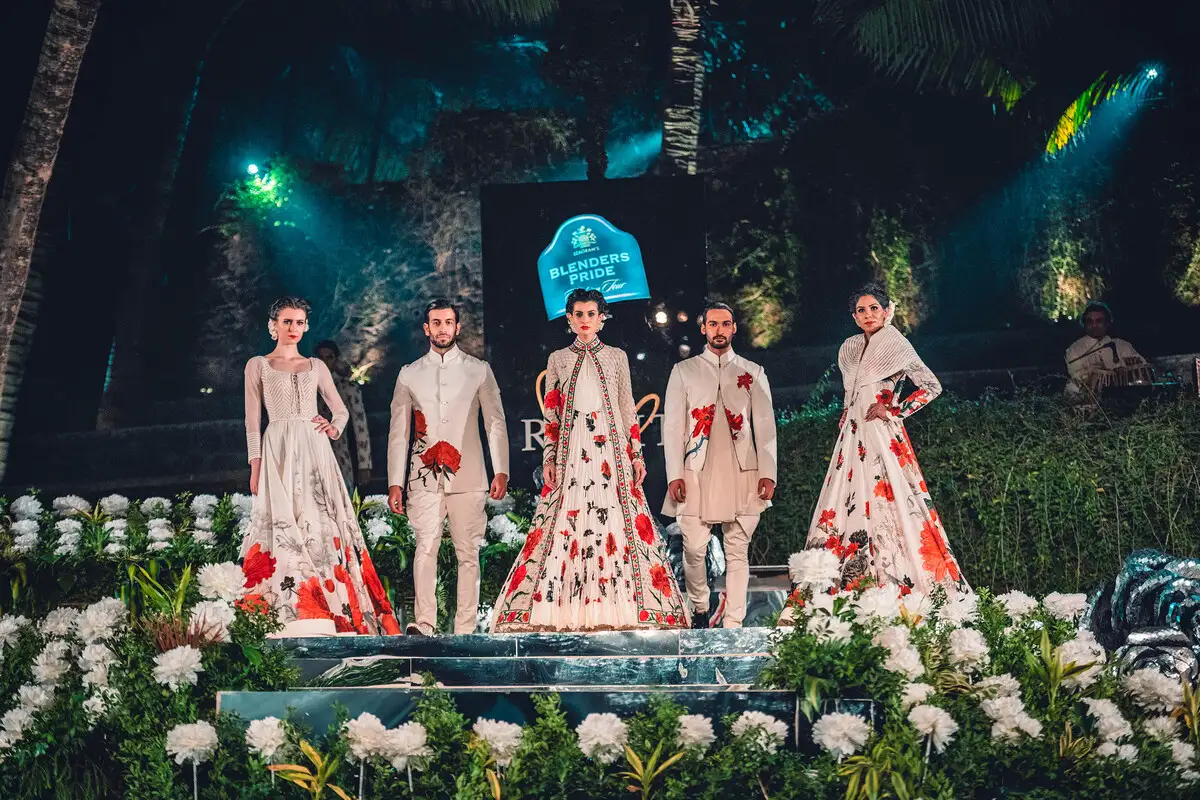
Every bride wants an entrance. This season, though, it’s the exit that might steal the show. The bridal cape is trailing behind lehengas and gowns with just enough movement and drama to make you look twice. It catches the light, moves with every step and gives even the most familiar bridal silhouette something unexpected. And it isn’t simply about adding another layer to an already elaborate look.
A cape gives the outfit a second act, revealing a completely different side the moment the bride turns around. It’s the kind of couture drama that feels right at home on the Blenders Pride Fashion Tour runway, where the most memorable looks are rarely about just one detail or one angle. This season, bridal fashion seems to be taking a cue. Because if the front makes the first impression, why shouldn’t the back have the last word?
Table of Contents
- When the Back Becomes the Statement
- Why Brides Are Choosing Capes
- From Dupattas to Couture Capes
- Finding the Cape for Your Silhouette
- Couture That Understands Drama
- What Comes After the Statement?
When the Back Becomes the Statement
Bridal fashion has traditionally put most of its attention on the front. The neckline, jewellery, embroidery and blouse are all designed for that first impression.
The bridal cape changes the perspective. Falling from the shoulders and moving behind the bride, it creates an entirely different silhouette from the back. Some barely skim the floor, while others extend into dramatic trains that follow every step.
It also gives designers another surface to work with. Embroidery, crystals, feathers, appliqué or sheer fabrics can turn the cape from an accessory into an important part of the outfit itself.
Why Brides Are Choosing Capes
Part of the cape’s appeal is simple. It delivers drama without asking the rest of the outfit to do all the work.
A minimal lehenga can suddenly feel more couture with a floor-length sheer cape. A heavily embroidered look can use a softer version to create movement. Even a fitted gown gains another dimension when the cape extends the silhouette beyond the body. And then there’s the entrance. A cape moves with the bride, giving the outfit a sense of theatre that works beautifully in photographs, videos and, more importantly, in the room itself.
Also Read: The Groom’s Evolution: From Sherwani to Structured Suit at Indian Weddings
From Dupattas to Couture Capes
The cape isn’t necessarily replacing the dupatta or veil. Instead, it gives brides another way to play with familiar bridal codes. A sheer embroidered cape can offer the softness of a veil without covering the head. Shoulder capes can frame a blouse while keeping the lehenga visible, while longer versions create the grandeur of a train.
For brides who want tradition with a sharper fashion edge, that flexibility makes the cape interesting. It can feel romantic, regal or distinctly modern depending on how it is styled.
Finding the Cape for Your Silhouette
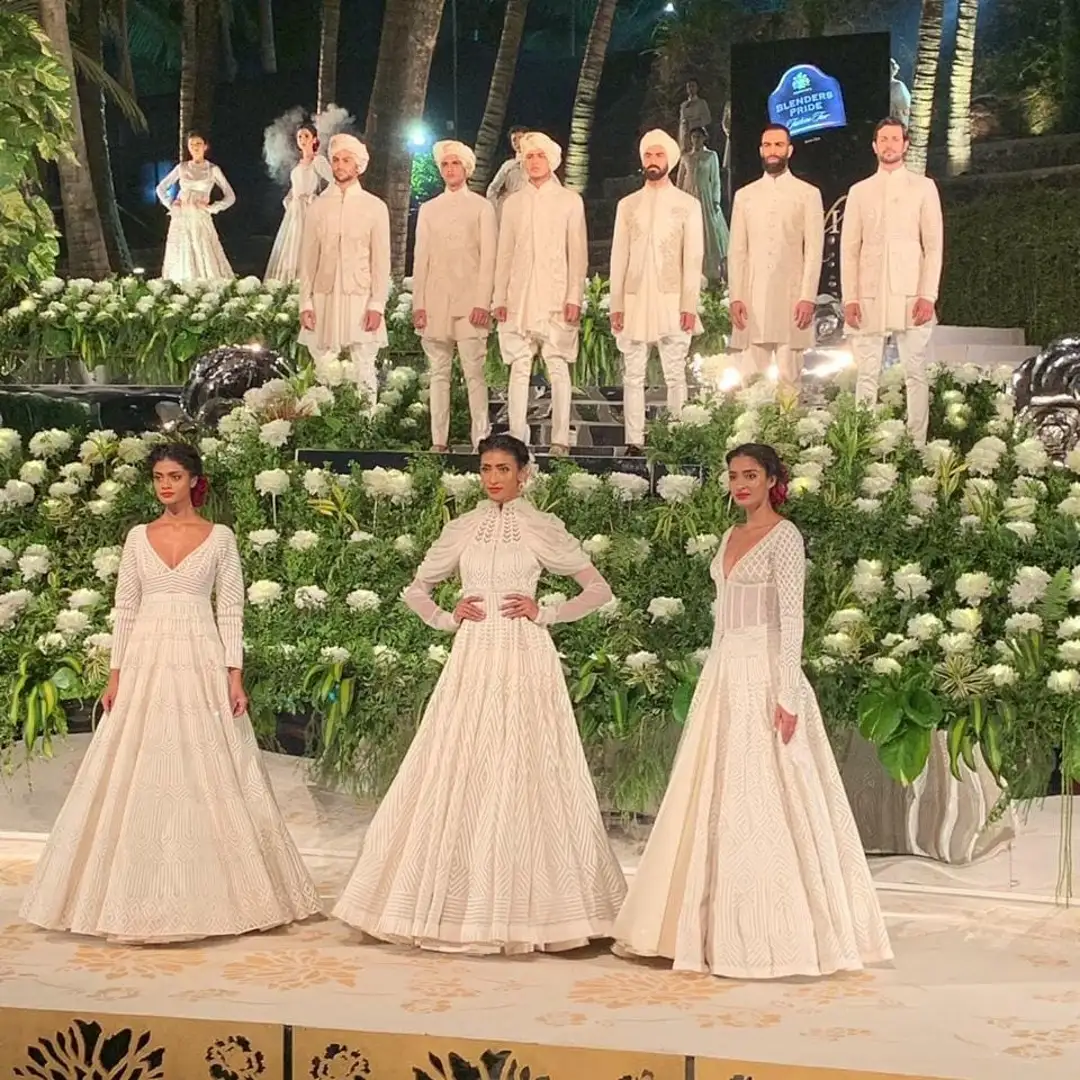
Not every cape needs to sweep across the floor. A shorter capelet can add structure around the shoulders, while a sheer mid-length version keeps things lighter. Floor-length capes bring maximum impact and work particularly well when the outfit underneath has a cleaner silhouette.
The balance matters. If the lehenga is already heavily detailed, a lighter cape gives the look room to breathe. With simpler outfits, embellishment or sculptural construction can let the cape take centre stage.
Couture That Understands Drama
That instinct for creating impact was reflected in Falguni Shane Peacock’s couture showcase at the 2025 Blenders Pride Fashion Tour’s Futureverse of Fashion in Gurugram. Their design language brought together sculptural silhouettes, intricate embellishment and theatrical grandeur, creating couture that was designed to command attention from more than one angle.
That same sensibility resonates with the rise of the couture cape. Bridal drama no longer has to come only from embroidery or volume. Movement and silhouette can be just as memorable, especially when the back of the look becomes part of the statement.
What Comes After the Statement?
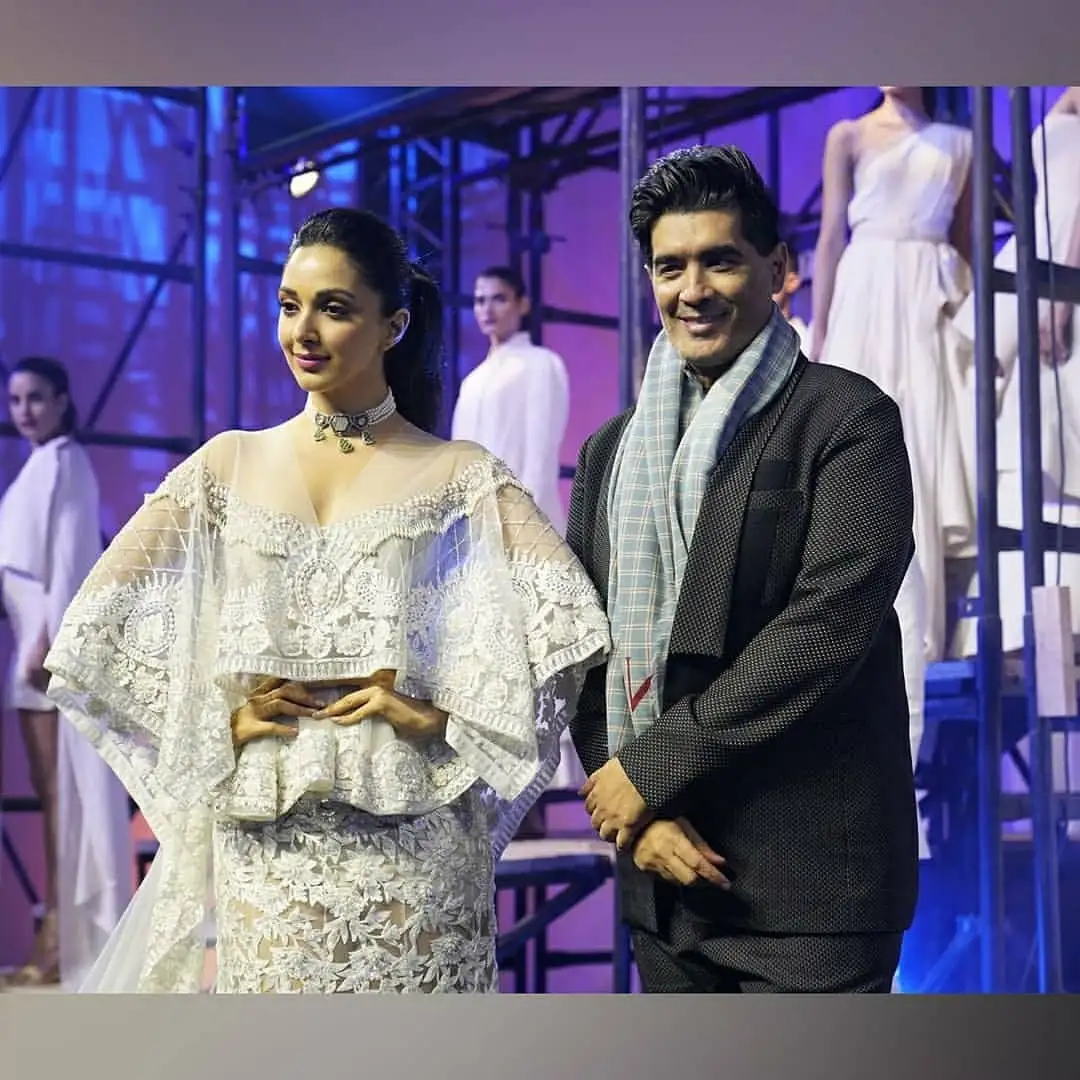
Maybe the next chapter of bridal fashion is less about finding one perfect angle and more about designing for every one of them. A bride walks, turns, dances and moves through an entire celebration, so why shouldn’t her outfit change with her? The rise of the cape points towards bridal wear that feels more dynamic, expressive and alive in motion. And perhaps that’s what future brides will want most: not simply an outfit that photographs beautifully, but one that leaves an impression long after they’ve walked away.