
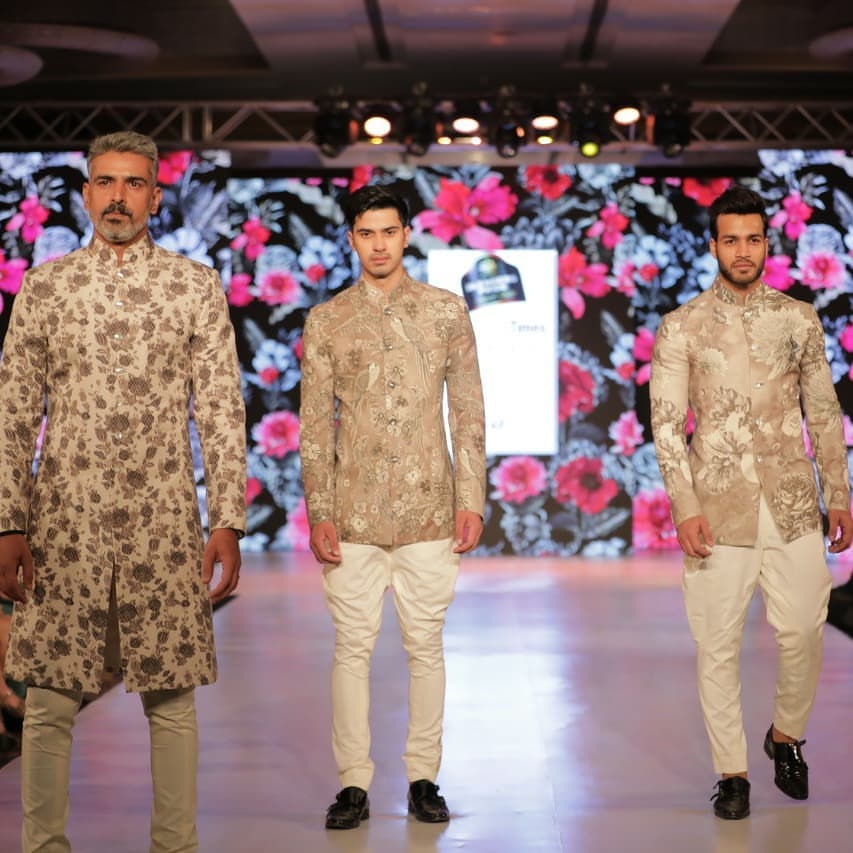
There was a time when a groom’s wedding wardrobe felt almost decided for him. A sherwani for the wedding, a kurta for the smaller functions and a suit if there was a reception. That formula still works, but today’s groom has a lot more room to play around with what he wears. From sharper silhouettes and unexpected colours to contemporary takes on traditional Indian wear, groom dressing is becoming more personal. You can see this shift across Indian fashion too, with platforms like the Blenders Pride Fashion Tour giving designers space to rethink familiar silhouettes and bring a more contemporary point of view to occasion wear.
Table of Contents
- The Classic Sherwani Gets a New Perspective
- Why the Silhouette Matters
- From Embroidery to Subtle Details
- The Rise of the Structured Suit
- Dressing for Every Wedding Function
- When Tradition Meets Modern Tailoring
- The Future of Groom Dressing
The Classic Sherwani Gets a New Perspective
The sherwani remains a wedding wardrobe staple for good reason. Its long silhouette, structured shape and detailed craftsmanship give it the presence a wedding day calls for. But the modern groom sherwani does not necessarily need to be covered in heavy embroidery. Cleaner cuts, tonal detailing and unexpected fabrics are giving grooms plenty of ways to make the classic feel more current while keeping its traditional character intact.
Why the Silhouette Matters
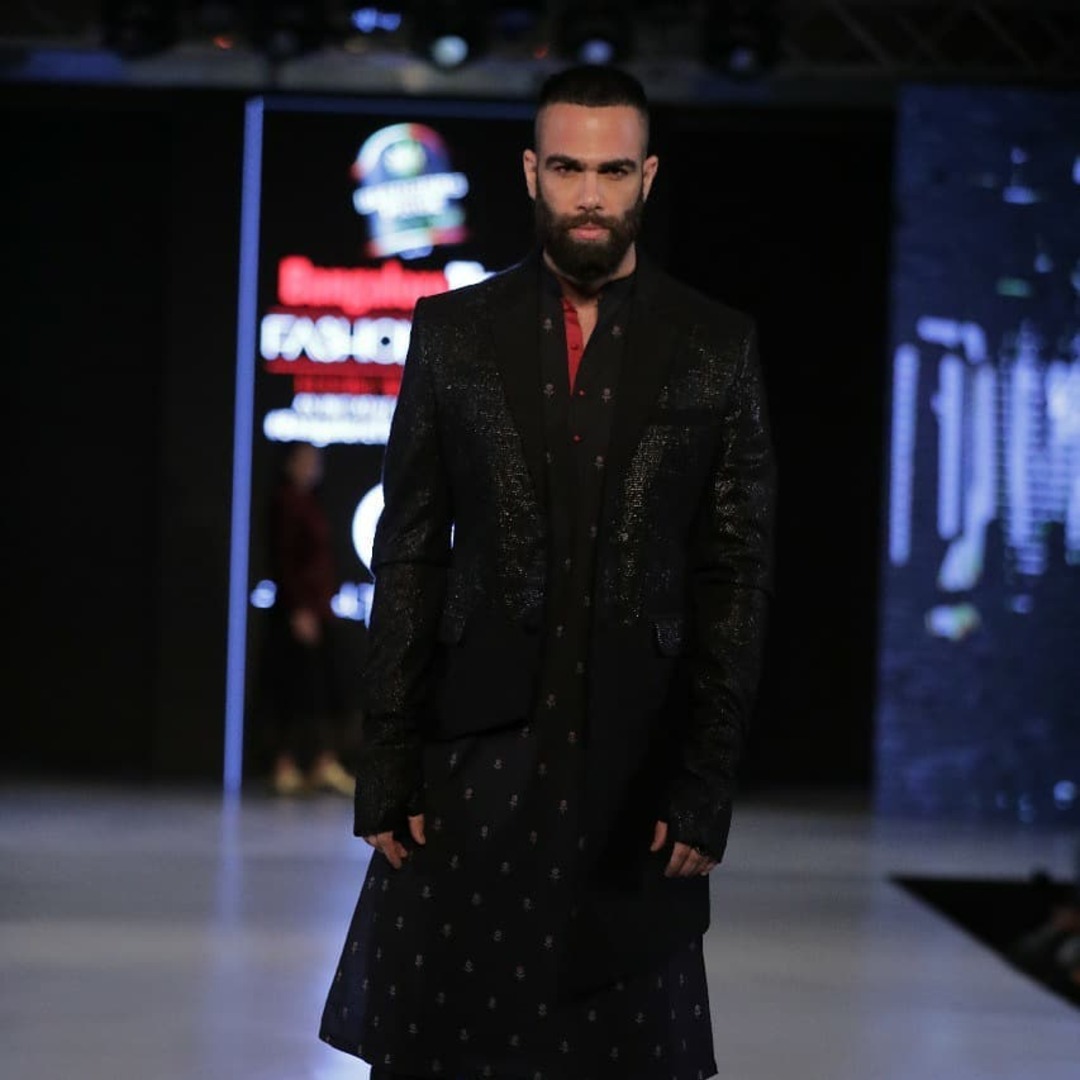
When it comes to groom dressing, the silhouette can change the entire mood of an outfit. A sharply cut sherwani can look commanding and polished, while a longer, softer jacket creates a more relaxed feel. For pre-wedding celebrations, a kurta with a contemporary jacket or an easy draped layer can offer something lighter without looking underdressed. Sometimes, the cut does more for the outfit than adding another layer of embellishment.
From Embroidery to Subtle Details
Not every groom wants his wedding outfit to announce itself from across the room. Tonal threadwork, textured fabrics, distinctive buttons and carefully placed embroidery can bring character without making the look feel too busy. Colours such as ivory, champagne, deep green, navy and muted gold are also giving grooms more room to move beyond the expected reds and creams. These smaller choices can make traditional groom dressing feel much more personal.
Also Read: The Sangeet Lehenga: Why the Pre-Wedding Party Demands Its Own Dress Code
The Rise of the Structured Suit
For the reception, many grooms are moving towards tailoring. A well-cut tuxedo or suit can have just as much presence as traditional Indian wear, especially when the fabric and fit are right. Velvet jackets, satin lapels and statement shirts can add a festive edge, while the clean structure keeps the overall look sophisticated. It gives the groom another way to dress up without repeating the wedding day silhouette.
Dressing for Every Wedding Function
One wedding can now mean several completely different looks. A lightweight kurta works easily for the haldi, a contemporary bandhgala can take the groom from engagement celebrations to cocktails, a sherwani can own the wedding day and a structured suit can finish the reception. The idea is not to make every outfit match. It is to give each occasion its own look while keeping the groom’s personal style consistent throughout.
When Tradition Meets Modern Tailoring
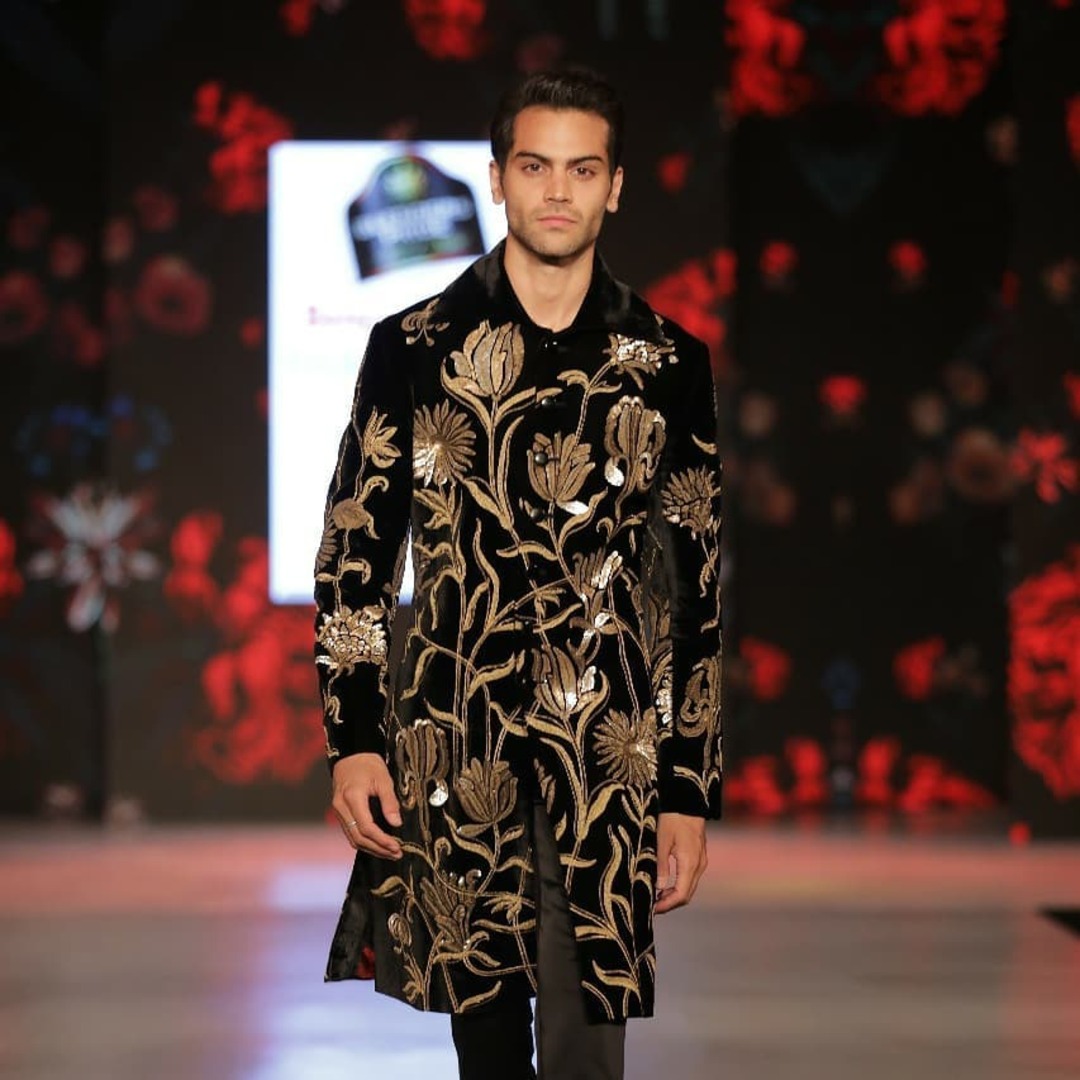
The evolution of groom dressing can also be seen in Tarun Tahiliani’s Dreamscape, showcased at the 2025 Blenders Pride Fashion Tour in Mumbai. The collection played with fluid drapes, structured silhouettes and intricate craftsmanship, showing how traditional Indian design can be given a more contemporary shape. That idea translates naturally into groom dressing too. A sherwani does not have to lose its traditional character to feel modern. A cleaner silhouette, softer drape or unexpected detail can change the entire look while keeping the essence of the outfit intact.
The Future of Groom Dressing
The modern groom has more freedom to define his wedding wardrobe than ever before. The sherwani will always have its place, but newer cuts, unexpected fabrics, sharper tailoring and more personal details are changing how it is worn. Suits are becoming more occasion-ready, traditional silhouettes are being reworked and grooms are no longer afraid to step outside the usual wedding palette. As Indian weddings become more personal, groom dressing is following suit. The future is not about leaving tradition behind, but finding new ways to make it feel like your own.