
When Fabric Becomes Art
Every garment begins with fabric. What makes it memorable is how that fabric is transformed.
Before a design reaches the runway, artisans shape textiles through techniques like weaving, embroidery, pleating, and surface detailing. These processes add texture, dimension, and character, turning fabric into an essential part of the design rather than simply the material it’s made from.
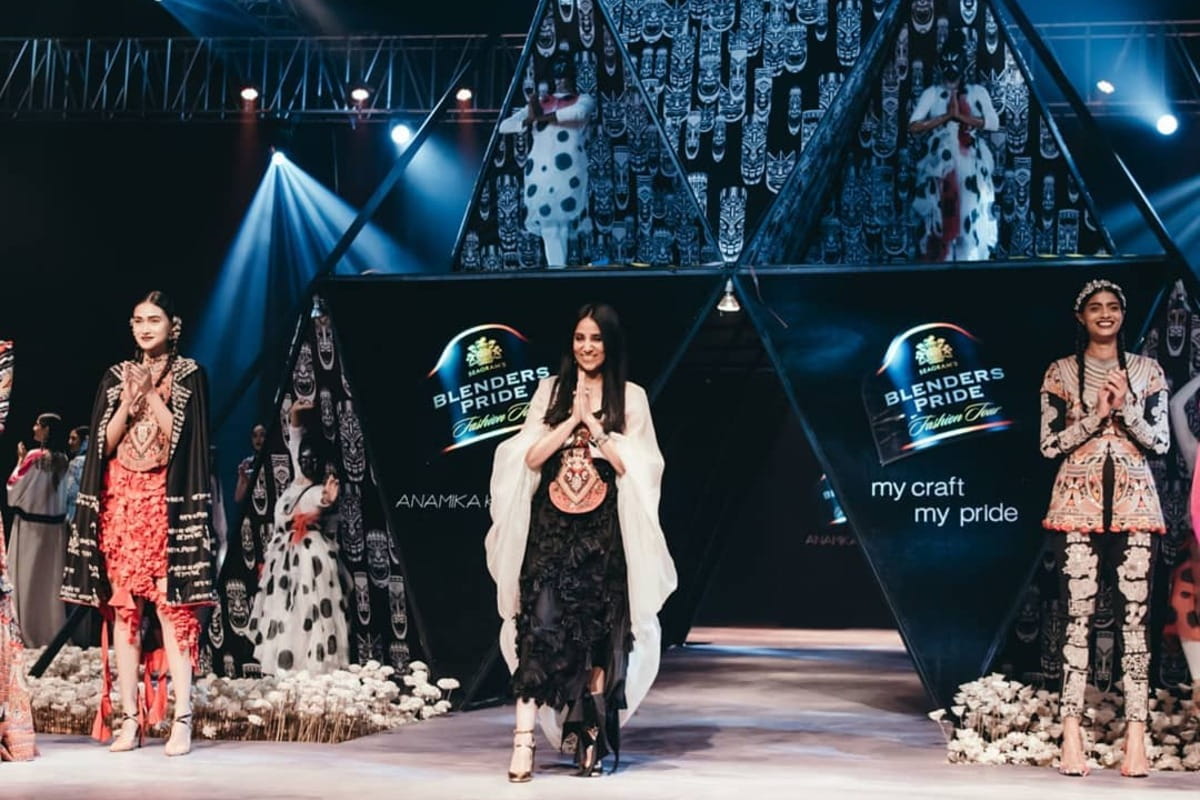
This connection between craftsmanship and fashion continues to be celebrated at the Blenders Pride Fashion Tour, where collections have showcased how innovative textile techniques elevate contemporary design and give every look its own visual identity.
TABLE OF CONTENTS
- What Is Textile Art?
- Textile Design in Fashion
- Fabric Art Techniques That Shape Fashion
- Textile Innovation in Fashion
- Why Handmade Textiles Still Matter
- The Intersection of Art and Fashion
- Conclusion
What Is Textile Art?
Textile art refers to creative work that uses fabric and fibres as its primary medium. It combines craftsmanship with artistic expression, allowing textiles to become much more than materials used to make clothing.
Its influence can be seen across contemporary fashion, where the textile itself often becomes one of the defining elements of a garment.
Textile Design in Fashion
Textile design plays an important role in shaping a collection. Before a garment is constructed, designers carefully select fabrics that support their creative direction. The way a textile looks, feels, and moves can influence the overall character of the final design.
For many designers, the fabric becomes the starting point. It helps shape the mood of the collection long before the first garment is completed.
Also Read: https://www.blenderspridefashiontour.com/blog/role-of-fashion-stylist
Fabric Art Techniques That Shape Fashion
Many contemporary collections continue to draw inspiration from traditional textile practices. Techniques such as embroidery, weaving, and fabric manipulation give garments a distinctive character while adding depth to the final design.
Rather than treating textiles as a supporting element, many designers allow them to become the defining feature of a collection.
Textile Innovation in Fashion
Fashion continues to evolve through new approaches to textiles. Designers continue to explore new materials and production methods while finding fresh ways to reinterpret traditional craftsmanship.
This balance between heritage and innovation allows fashion to move forward while remaining connected to its roots.
Why Handmade Textiles Still Matter
Handmade textiles continue to hold an important place in fashion because they reflect the craftsmanship behind every garment. Creating them requires time, precision, and expertise, making each piece distinct in its own way.
Even as technology transforms the industry, handcrafted textiles continue to remind us of the value of human creativity.
The Intersection of Art and Fashion
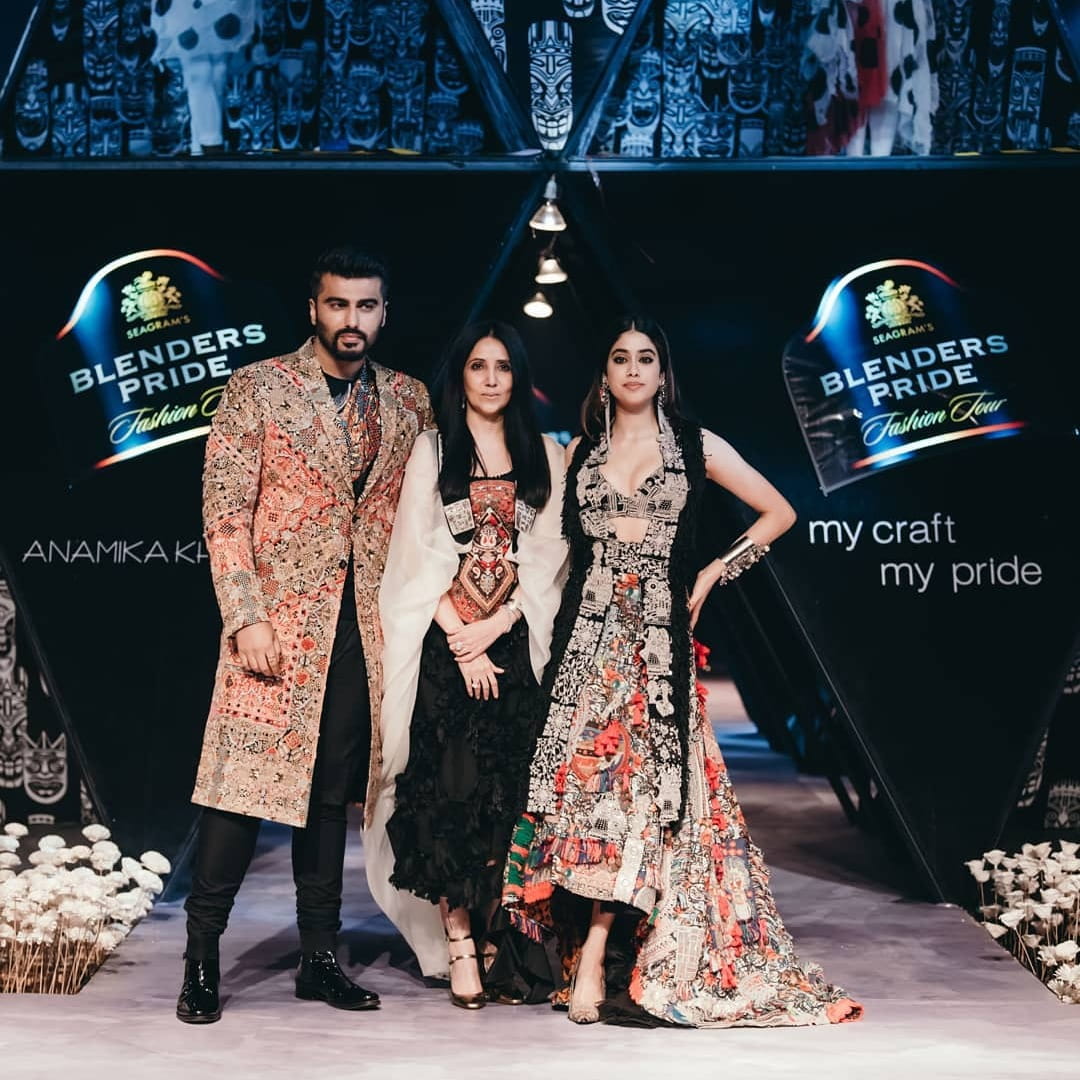
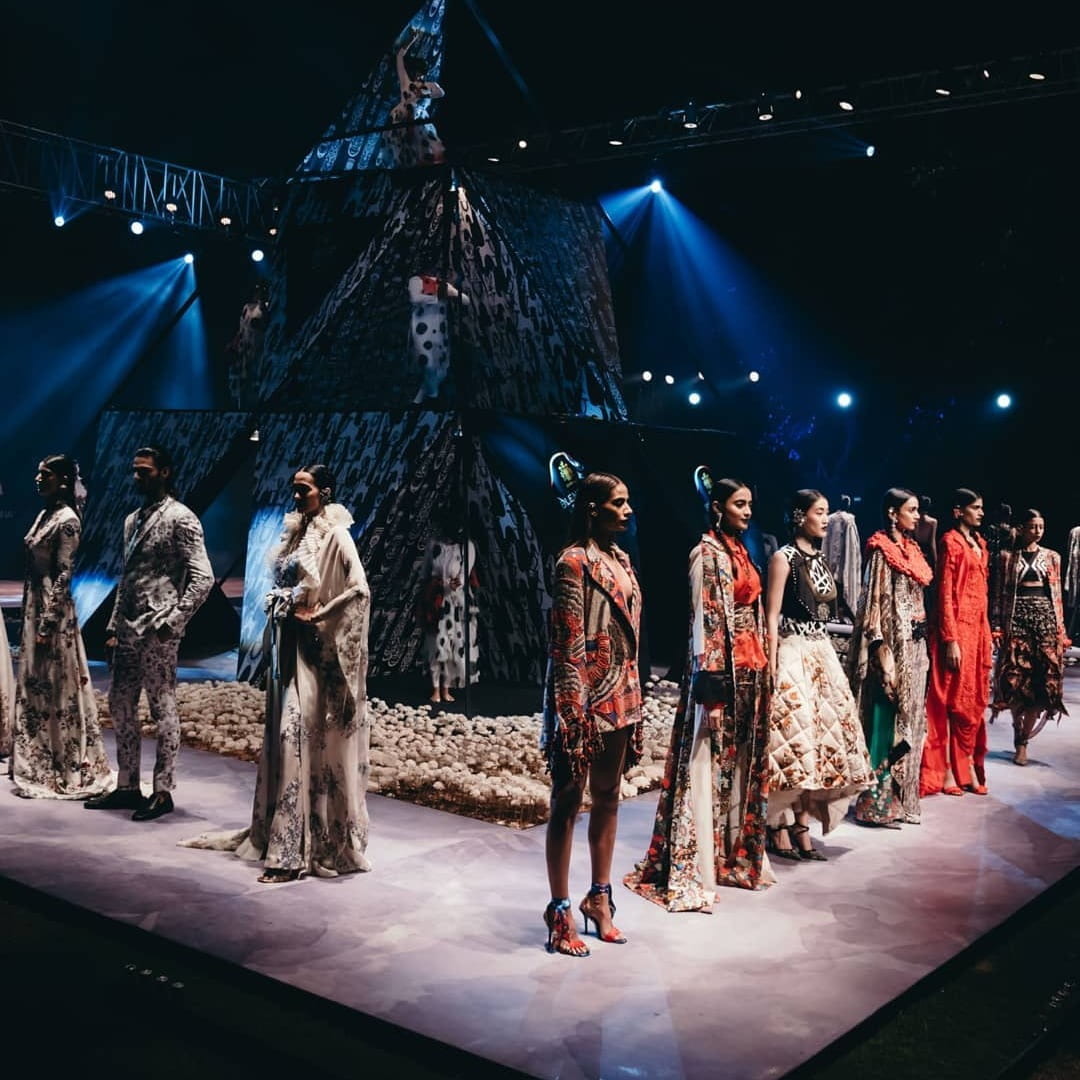
The relationship between textile art and fashion becomes especially visible on the runway. At the Blenders Pride Fashion Tour 2025, Anamika Khanna’s collection explored the idea of industrial elegance while celebrating craftsmanship and thoughtful design. The presentation highlighted how textiles and construction contribute to the overall identity of a collection.
As designers continue to experiment with materials and techniques, the connection between art and fashion becomes even stronger.
More Than Fabric
Textile art has always been an important part of fashion. It allows designers to experiment with materials while preserving techniques that have been passed down through generations.
As fashion continues to evolve, textiles remain far more than the starting point of a garment. They become a medium through which designers express ideas and shape the character of a collection long before it reaches the runway.