
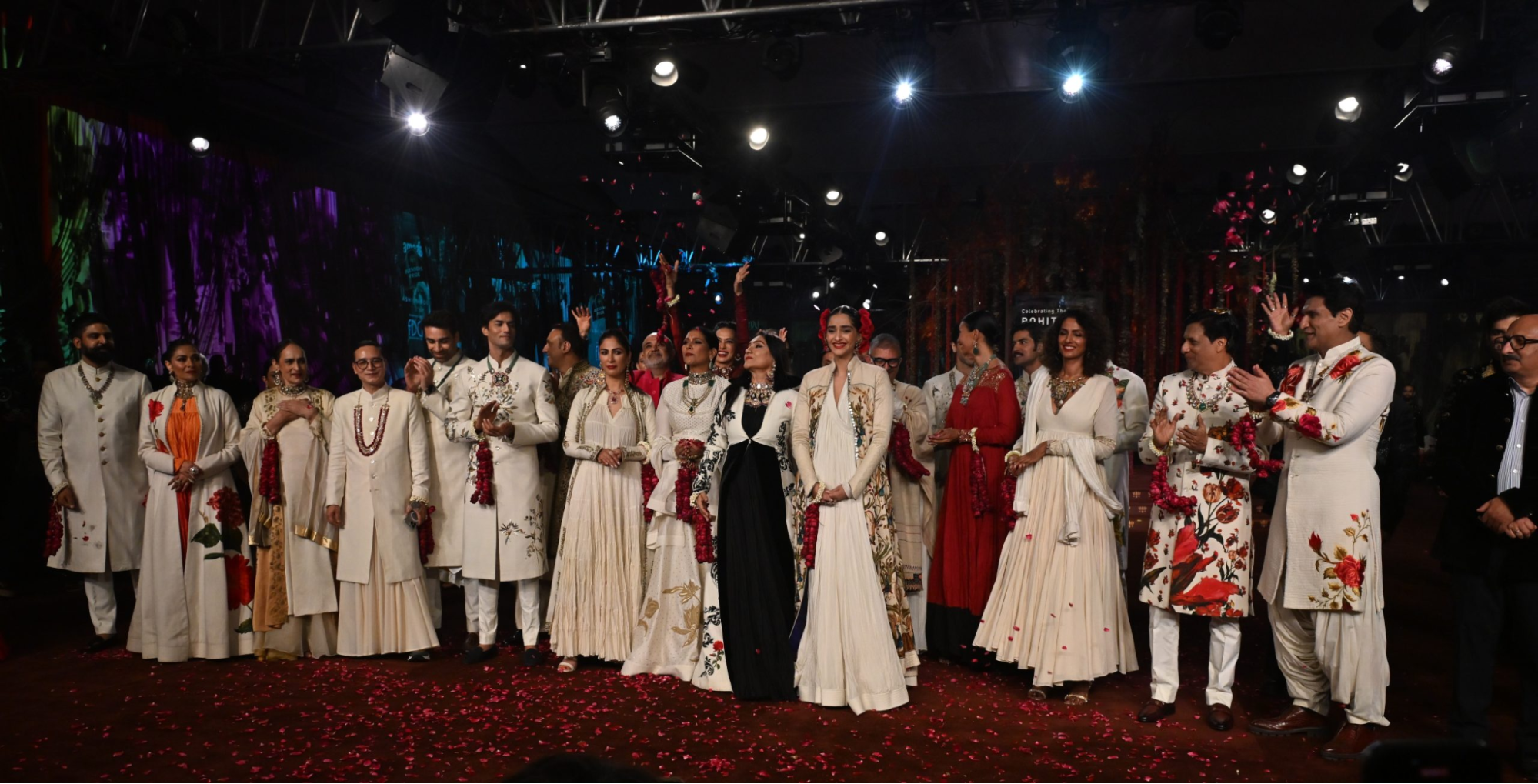
The runway has always been a theatre of dreams, a place where future trends are born and sartorial stories are told. For decades, this stage was dominated by a largely Western narrative. However, the scenes are now shifting, illuminating a vibrant and profound transformation. The crisp lines of modern couture are being softened, enriched, and revolutionised by the intricate threads of heritage. Traditional wear is no longer confined to cultural showcases or festive occasions; it has boldly stepped onto the high-fashion runway, not as a guest, but as a game-changing protagonist. This infusion of history, craftsmanship, and cultural identity is reshaping the very fabric of modern fashion shows, creating a more inclusive, authentic, and exciting global aesthetic.
This evolution is not just about adding an ethnic print to a bomber jacket. It’s a deep, meaningful dialogue between the past and the present, where designers are deconstructing and reimagining heritage to create something entirely new. Platforms like the Blenders Pride Fashion Tour have become crucibles for this creative alchemy, demonstrating how the soul of traditional fashion can animate the body of contemporary design.
A Quest for Authenticity
So, why is this happening now? The global fashion landscape is experiencing a seismic shift, driven by a collective yearning for authenticity. In an age of fast fashion and fleeting digital trends, there’s a growing desire for clothing with a story, a soul, and a sense of permanence. Consumers are looking beyond logos to connect with narratives that reflect their identity and heritage. Traditional wear offers this connection in spades. Each weave, motif, and silhouette carries with it generations of history, skill, and cultural significance.
Furthermore, the conversation around sustainability has cast a spotlight on the time-honoured techniques inherent in traditional craftsmanship. Handloom weaving, natural dyeing, and intricate hand-embroidery are inherently slow, mindful processes that stand in stark contrast to the mass-produced, environmentally taxing methods of fast fashion. Designers and consumers alike are recognising the value in these artisanal skills, not just for their beauty, but for their ethical and sustainable credentials. This renewed respect for craftsmanship has elevated traditional fashion from a niche interest to a central pillar of conscious, luxury design.
Reimagining Heritage for the Modern Wardrobe
The most exciting aspect of this transformation is how designers are breaking free from stereotypical representations of heritage. The goal is no longer to simply replicate historical garments but to extract their essence and translate it into a modern context. This has led to a breathtaking fusion of styles that challenges our preconceived notions of both modern and traditional wear for women and men.
We see this in the innovative reinterpretation of silhouettes. A classic lehenga might be crafted from an unexpected material like denim or structured organza. The elegant drape of a sari could inspire the fluid lines of an evening gown or a jumpsuit. For men, the sharp, regal cut of a sherwani might be reimagined as a longline jacket paired with streetwear-inspired trousers.
This fusion also extends to embellishments and fabrics. Traditional Indian embroidery techniques like Zardozi or Chikankari are no longer reserved for bridal wear; they now adorn contemporary pieces like power suits, cocktail dresses, and even sneakers. Conversely, modern, avant-garde textiles are being used to give new life to classic forms. This dynamic interplay between old and new is creating a fashion vocabulary that is both globally relevant and deeply personal.
The Blenders Pride Fashion Tour
Nowhere was this creative explosion more evident than on the runways of the Blenders Pride Fashion Tour. In its collaboration with the Fashion Design Council of India (FDCI), the tour became a premier platform for designers who are masterfully blending “global fashion trends with local aesthetics.” It’s a celebration of self-expression that proves traditional fashion is a living, breathing source of inspiration.
A shining example was the work of Tarun Tahiliani, a master of Indian couture. For the tour, he unveiled his ‘Dreamscape’ collection on a majestic floating runway in Mumbai. Tahiliani’s genius lies in his ability to make heritage feel light, modern, and truly compelling. His collection seamlessly blended ethereal femininity with refined structure, showcasing innovative reinterpretations of traditional embroidery like Zartaar and nature-inspired motifs in his Bahaar segment. This wasn’t just about presenting beautiful clothes; it was about narrating a story of “quiet luxury” that honours craftsmanship while speaking to the modern woman. His work is a masterclass in evolving traditional wear for men and women without losing its soul.
The tour also celebrated the legacy of designers who have built their careers on this principle. The opening night in Gurugram was a magnificent tribute to the late Rohit Bal, a designer revered for his opulent aesthetic and deep connection to Indian heritage. Bal consistently drew inspiration from history and intricate craftsmanship, proving that traditional wear could be both high-fashion and deeply poetic. The homage, featuring over 100 prominent figures on the runway, underscored the industry’s profound respect for this vision.
But the transformation isn’t limited to opulent occasion wear. The Blenders Pride Fashion Tour grand finale in Guwahati showcased how heritage can inform edgy, contemporary styles. Nitin Bal Chauhan’s ‘Chamunda’ collection was a standout, brilliantly reinterpreting medieval armour for the modern street. By blending historical motifs with hand-painted artworks on contemporary silhouettes, he created a powerful narrative that was both ancient and fiercely current. This is a perfect example of how the core ideas of traditional wear for men—strength, structure, and adornment—can be translated into a completely new, avant-garde language.
The Global Ripple Effect
This trend is not isolated to India. The influence of traditional wear is being felt on major international runways, creating a richer and more diverse fashion ecosystem. We see it when a Parisian couture house incorporates intricate Indian beadwork into its collection, or when a New York designer draws inspiration from the minimalist elegance of a Japanese kimono for a new line of coats.
This cross-pollination of ideas is breaking down the old, hierarchical structure of the fashion world, where a few Western capitals dictated global trends. Today, inspiration flows in all directions. A designer in Lagos can influence a collection in London, and an artisan in Jaipur can collaborate with a brand in Milan. This inclusivity makes fashion far more interesting and representative of the world we live in. It acknowledges that beauty and creativity are not confined to one culture or geography. The modern fashion show is becoming a global tapestry, woven with threads from every corner of the earth, celebrating both our unique differences and our shared humanity.
Read Also – How India’s Fashion Shows Are Bringing Tradition into Modern Luxury
Conclusion: The Future is a Fusion
The line between “modern” and “traditional” is no longer a rigid boundary but a fluid, creative space. The transformation of fashion shows by traditional wear is a testament to the enduring power of heritage and the boundless possibilities of innovation. Designers are no longer just looking forward; they are looking back to move forward, drawing strength, inspiration, and authenticity from their roots. This shift ensures that traditional fashion will not be relegated to museums or history books. It reminds us that fashion, at its best, is a form of storytelling, and the richest stories are those that honour where we come from while boldly imagining where we can go.