
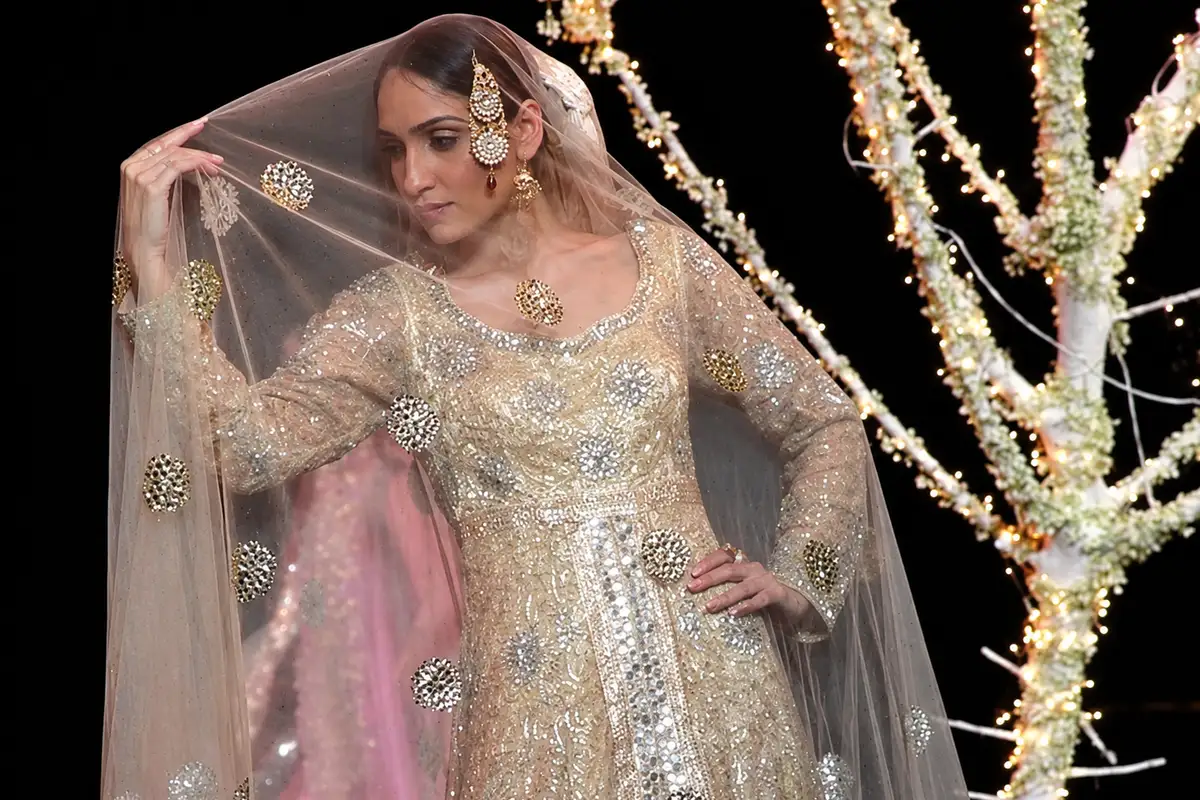
Festive fashion has always loved a little drama. But these days, drama does not necessarily mean heavy embroidery, layers of velvet or an outfit covered in embellishments from top to bottom. Sometimes, it is about what you can almost see. The sheer trend has quietly made its way into Indian occasion wear, bringing a lighter, more fluid quality to familiar silhouettes. The sheer Anarkali is a perfect example of this shift, combining the grandeur of traditional dressing with the delicacy of transparent layers. By redefining traditional attire, the Blenders Pride Fashion Tour continues to explore how Indian fashion can evolve. This trend shows that even a classic silhouette can find an entirely new personality.
Table of Contents
- Why the Sheer Anarkali Is the Ultimate Festive Trend
- Finding the Right Balance of Transparency
- Styling Sheer for Different Occasions
- Fabrics That Make the Look Work
- When Sheer Meets Contemporary Couture
- The Future of Sheer Festive Dressing
Why the Sheer Anarkali Is the Ultimate Festive Trend
Sheer fabrics bring something different to festive dressing. Instead of relying on volume or heavy surface decoration, they create interest through layers, light and movement. Organza, chiffon, tulle and lightweight georgette can add softness while allowing embroidery or embellishment underneath to peek through. The result feels festive without looking overly heavy. The Anarkali has always been associated with movement. Its long, flowing silhouette creates a beautiful shape while walking, dancing or simply standing still. Introducing sheer panels or transparent outer layers gives the traditional silhouette a more contemporary feel. A sheer yoke, sleeves or an overlay can completely change the look without taking away from what makes the Anarkali recognisable.
Finding the Right Balance of Transparency
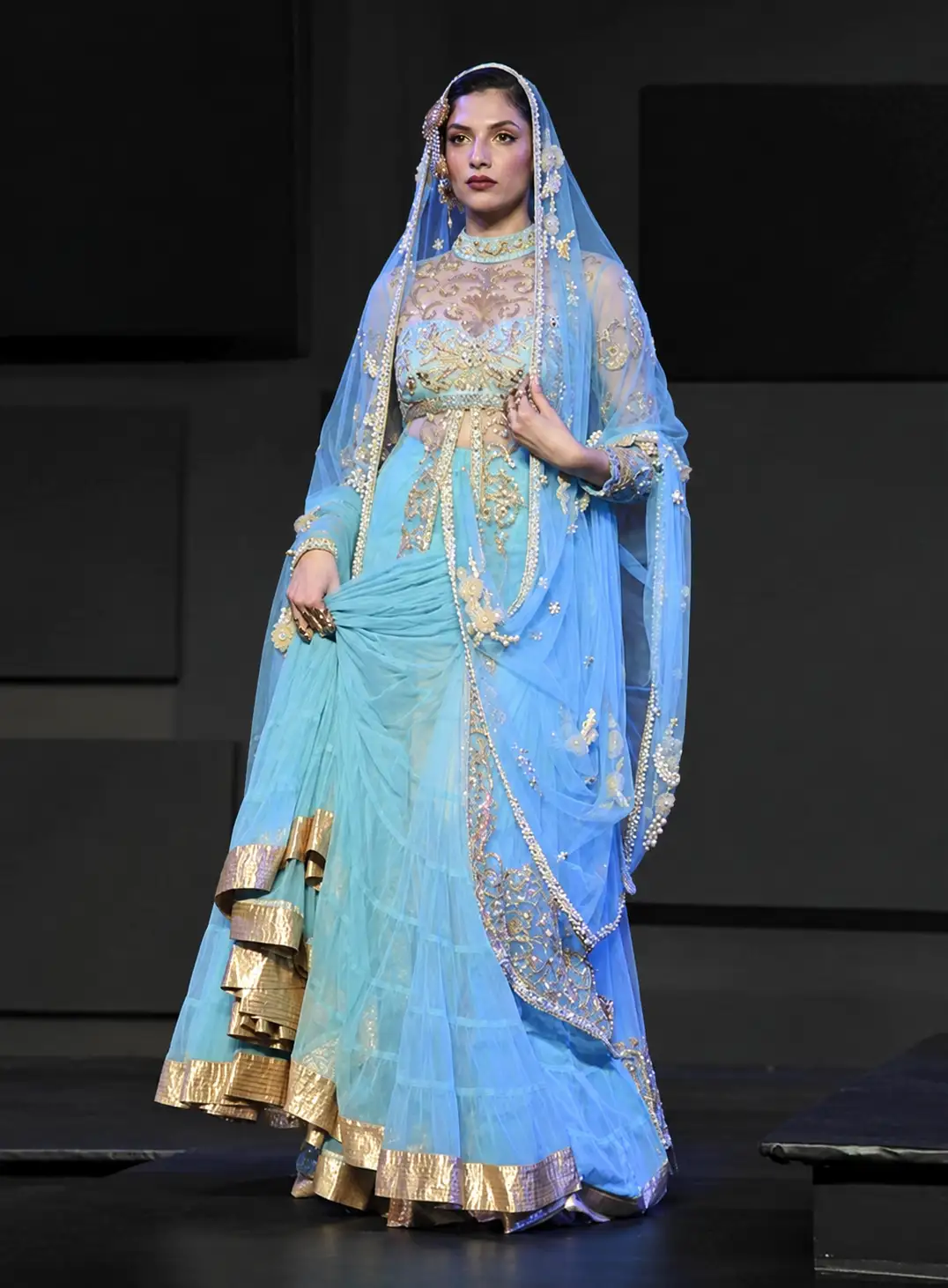
The secret to making sheer work is balance. Transparency does not have to mean revealing everything. A sheer outer layer over a solid inner dress, embroidered panels or strategically placed lining can create the effect while keeping the outfit elegant. The contrast between what is covered and what is visible often becomes the most interesting part of the look.
Styling Sheer for Different Occasions
A sheer Anarkali can be surprisingly versatile. For daytime celebrations, softer colours and minimal jewellery can keep the outfit fresh. For an evening event, deeper shades, metallic embroidery and statement earrings can make the same silhouette feel much more dramatic. Even the choice of footwear can shift the mood, taking it from traditional to distinctly contemporary.
Fabrics That Make the Look Work
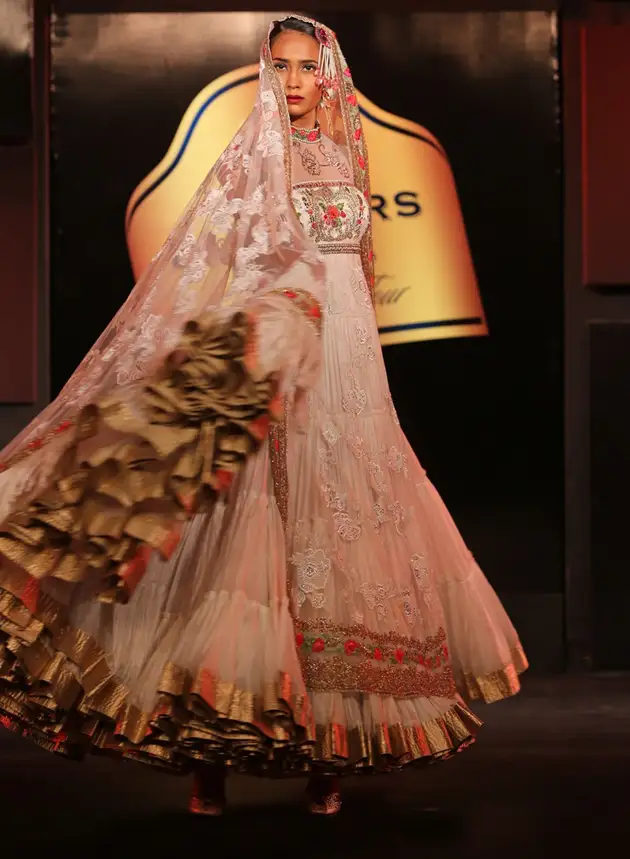
The fabric does most of the visual work when it comes to sheer dressing. Organza can create structure, while chiffon and georgette offer softer movement. Tulle can give the silhouette an almost ethereal quality, particularly when used for sleeves or an outer layer. Embroidery also becomes more noticeable against sheer fabric because the craftsmanship is allowed to stand out rather than getting lost in a heavily decorated surface.
When Sheer Meets Contemporary Couture
The evolution of sheer Indian wear can also be seen through Anamika Khanna’s AK|OK collection at the Kolkata finale of the 2025 Blenders Pride Fashion Tour. The collection explored deconstructed silhouettes, fluid layering and unexpected contrasts, including structured jackets styled over sheer lehengas, alongside metallic embroidery and architectural cuts. It showed how transparency can become part of a larger conversation about structure, craft and modern Indian dressing rather than simply being a styling detail.
Also Read: https://www.blenderspridefashiontour.com/blog/contemporary-indian-wear-outfit
The Future of Sheer Festive Dressing
Rather than piling on the embellishments, the new era of festive fashion focuses on refreshing iconic silhouettes. Sheer layers offer designers plenty of room to experiment with proportion, texture, movement and light while keeping traditional forms recognisable. As Indian occasion wear continues to become more experimental, we could see transparency moving into sarees, jackets, dupattas and even everyday festive pieces. And perhaps that is what makes the trend so interesting. It does not ask us to leave tradition behind. It simply lets us see it differently.