
We’ve all been there. You spot a pair of high-waisted, flared jeans or a vibrant, psychedelic-print shirt and think, “That’s so retro!” A moment later, you stumble upon a beautifully preserved flapper dress in a thrift store and call it “vintage.” While the terms are often used interchangeably in casual conversation, in the world of fashion, “retro” and “vintage” describe two distinct, albeit related, concepts. This confusion often muddles our understanding of fashion history and the creative process behind the clothes we wear today.
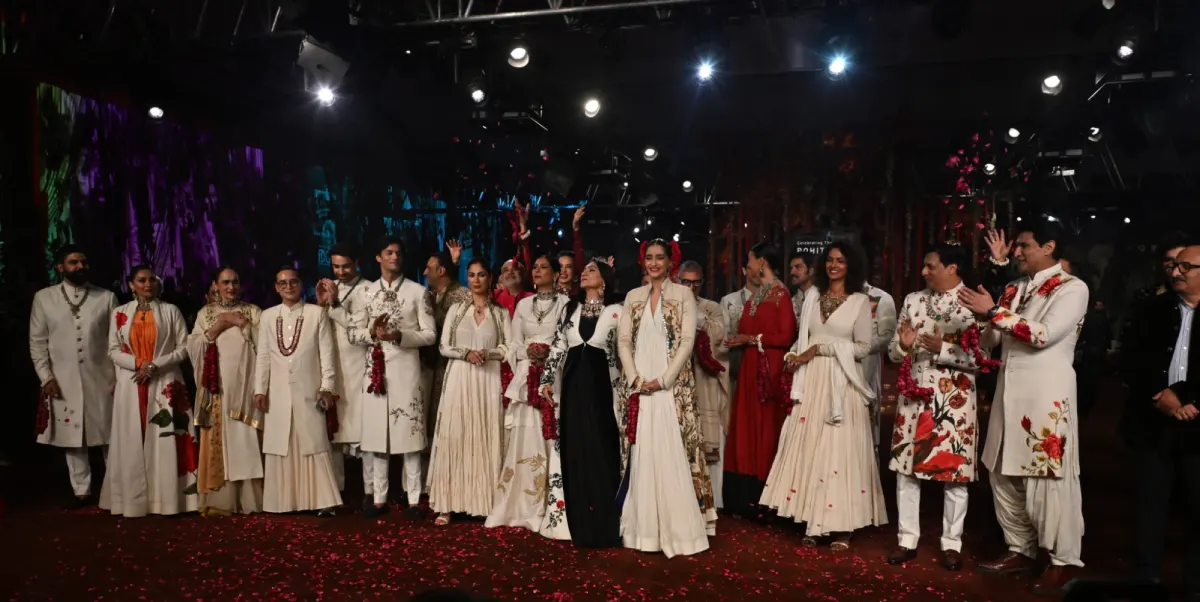
So, let’s clear the air. Unpacking the difference between these two terms is more than just a lesson in semantics; it’s about appreciating the journey of a garment, from its original creation to its modern reinterpretation. It’s a dialogue between the past and present, a theme brilliantly captured on the runways of platforms like the Blenders Pride Fashion Tour, where designers constantly reinvent heritage for a contemporary audience. This guide will break down the distinction and explore what retro fashion really means.
What is Vintage Fashion? The Authentic Echo of an Era
Let’s start with the more straightforward of the two terms. The core attribute of vintage fashion is age. A piece of clothing is generally considered “vintage” if it is between 20 and 100 years old. Anything over a century old typically crosses into the “antique” category.
The most crucial thing to remember is this: vintage fashion refers to actual, physical garments that were produced in a past era. A dress made and sold in the 1960s is vintage. A leather jacket from the 1980s is vintage. These pieces are authentic historical artifacts. They carry the story of their time not just in their style, but in their very fabric, construction, and craftsmanship.
Think of a vintage piece as a time capsule. The materials used, the type of stitching, the cut of the fabric—all reflect the technology, economy, and social norms of its decade. When you hold a genuine 1950s Dior circle skirt, you are holding a piece of post-war optimism and sartorial innovation. This authenticity is what makes vintage clothing so special and, often, so valuable to collectors and fashion enthusiasts.
What is Retro Fashion? The Modern Homage to Style
Now, let’s delve into the heart of the matter. If vintage is the real thing, what is retro fashion? The word “retro” is derived from “retrospective,” meaning to look back on or deal with past events or styles. In fashion, that’s precisely what it means.
Retro fashion refers to newly manufactured clothing that imitates or is heavily inspired by the styles of a previous era. That pair of bell-bottoms you bought at a high-street store last week? That’s retro. The 1980s-style power-shoulder blazer currently dominating designer collections? That’s also retro.
So, what does retro style mean? It means adopting the aesthetics—the silhouettes, patterns, colours, and moods—of a bygone period and creating something new. Retro style fashion isn’t about historical preservation; it’s about interpretation and celebration. It’s a creative nod to the past, viewed through a modern lens.
A perfect illustration of this concept can be seen in the collections showcased at the Blenders Pride Fashion Tour. Designer Nitin Bal Chauhan’s ‘CHAMUNDA’ collection, for example, reinterpreted medieval armor for the modern street. He wasn’t presenting museum-quality armor; he was creating contemporary, wearable art inspired by a historical aesthetic. This is the absolute essence of retro. It takes the spirit of an era—be it the rebellious energy of 70s rock or the structured forms of medieval times—and translates it for today’s wearer. The meaning of retro style lies in this creative translation, not in literal replication.
The Key Differences Summarized
To put it simply, here’s the breakdown:
- Origin: Vintage pieces were made in the past. Retro pieces are made now.
- Condition: Vintage items are second-hand and show their age (which can be part of their charm). Retro items are brand new.
- Authenticity vs. Inspiration: Vintage is authentic to its era. Retro is inspired by an era.
- Purpose: Vintage is about preserving and wearing a piece of history. Retro is about celebrating a historical style with modern construction and materials.
Why Do Styles Keep Coming Back? The Cyclical Nature of Fashion
Fashion is famously cyclical. The “20-year rule” suggests that styles tend to come back into vogue approximately two decades after their peak. We see this with the recent resurgence of Y2K and 90s fashion—low-rise jeans, crop tops, and bucket hats are all back in a big way, albeit with a modern twist. These new iterations are pure retro fashion.
This cycle is driven by a mix of nostalgia, a new generation discovering styles for the first time, and designers seeking fresh inspiration. Platforms like the Blenders Pride Fashion Tour act as a crucible for these ideas. The tour, which celebrates self-expression and the blending of global and local styles, often features designers who masterfully dip into the past. For instance, this year’s tour featured Abhishek Patni’s ‘Racer 01’ collection fused streetwear with rockstar aesthetics. That “rockstar” vibe is itself a retro concept, drawing on decades of music and fashion from the 60s, 70s, and 80s to create a look that feels both familiar and refreshingly new.
Similarly, even a master of opulent Indian heritage like Tarun Tahiliani, in his ‘Dreamscape’ collection, reinterpreted traditional embroidery. While not “retro” in the Western sense of decade-based styles, the principle is the same: taking the essence of something classic and crafting a modern narrative around it.
Also Read: Blenders Pride Fashion Tour 2025: A Fusion of Art, Glamour & Indian Heritage
How to Wear Retro and Vintage Today
The beauty of fashion in the 21st century is that there are no hard-and-fast rules. Both retro and vintage pieces can coexist beautifully in a modern wardrobe.
- Embrace the Mix: The most compelling looks often come from blending different elements. Pair a genuine vintage 1970s blouse with modern jeans. Or, wear a retro-style 60s A-line mini-dress with contemporary sneakers. This mix prevents your outfit from looking like a costume and instead makes it a unique statement of personal style.
- Focus on the Silhouette: Often, what makes a style “retro” is its silhouette. The sharp shoulders of the 80s, the flared legs of the 70s, or the dropped waist of the 20s. You can incorporate a single retro-inspired piece to evoke an entire era without going head-to-toe.
- It’s All About Individuality: Ultimately, whether you’re drawn to the authentic history of vintage fashion or the playful homage of retro fashion, the goal is self-expression. The Blenders Pride Fashion Tour, with its focus on “The One and Only,” champions this very idea. Fashion is a tool to tell your own story. Wearing a piece from the past—whether it’s an original or an interpretation—adds a fascinating chapter to that narrative.
Also Read: Retro Style Fashion for 2025: A Guide for Men & Women
Conclusion
In the dynamic world of fashion, the lines between past, present, and future are constantly blurring. Understanding the distinction between retro and vintage allows us to appreciate the artistry involved on a deeper level. Vintage fashion is the archive—the authentic source material that grounds us in history. Retro fashion is the conversation—the exciting, creative dialogue that designers have with that history.
So, the next time you see a style from a bygone era, you’ll know exactly what to call it. Vintage is a tangible piece of the past you can hold in your hands. Retro is the spirit of the past, reborn for today.