
Introduction
More Than Just a Colour
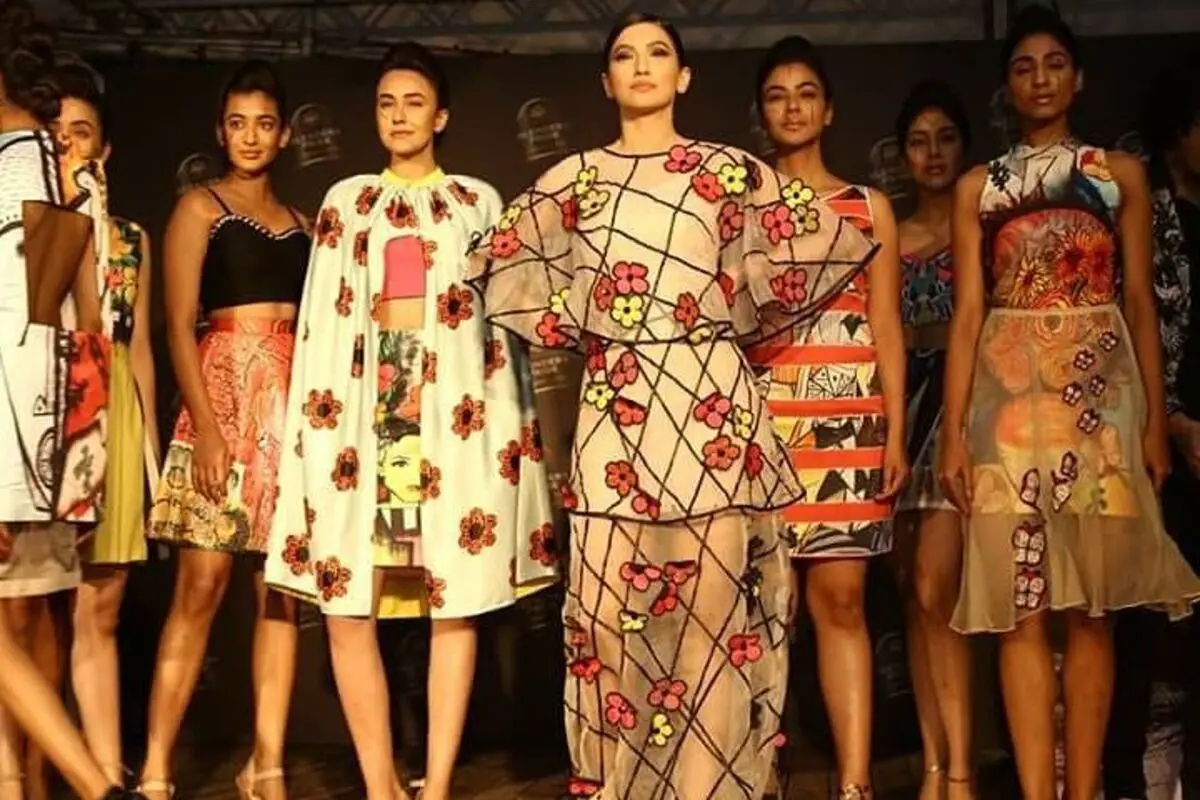
Ever noticed how some outfits instantly make you feel more confident? Or why do you naturally reach for certain colours on different days?
That’s not just personal preference. Colour psychology in fashion explores how colour influences the way clothing is perceived. Different shades create different visual impressions and can change the overall character of an outfit.
Although colour affects everyone differently, it often shapes first impressions and influences the way we experience what we wear. That is why colour has remained one of fashion’s most powerful design elements.
TABLE OF CONTENTS
- Color Psychology in Fashion
- What Colors Say About Personality?
- How Colors Affect Mood Through Clothing?
- The Meaning of Colors in Outfits
- Power Dressing Colors
- Fashion Psychology Trends
- Colour as a Form of Expression
- Dressing for the Way You Want to Feel
Color Psychology in Fashion
Colour psychology in fashion explores the relationship between clothing and emotion.
Every colour creates a different visual impression. Some shades feel calm, while others naturally draw attention or add contrast to an outfit. Although colour affects everyone differently, it often influences how we experience an outfit and how others respond to it.
That is why colour is usually one of the first styling decisions people make.
What Colors Say About Personality?
People often associate certain colours with different personality traits, but there are no fixed rules. The shades we choose usually reflect our preferences, personal style, or the impression we want to create rather than defining who we are.
Someone may prefer neutral tones for one occasion and brighter colours for another. The same person can choose different colours depending on the setting or the look they want to achieve. As personal style evolves, colour remains one of the simplest ways to express individuality.
How Colors Affect Mood Through Clothing?
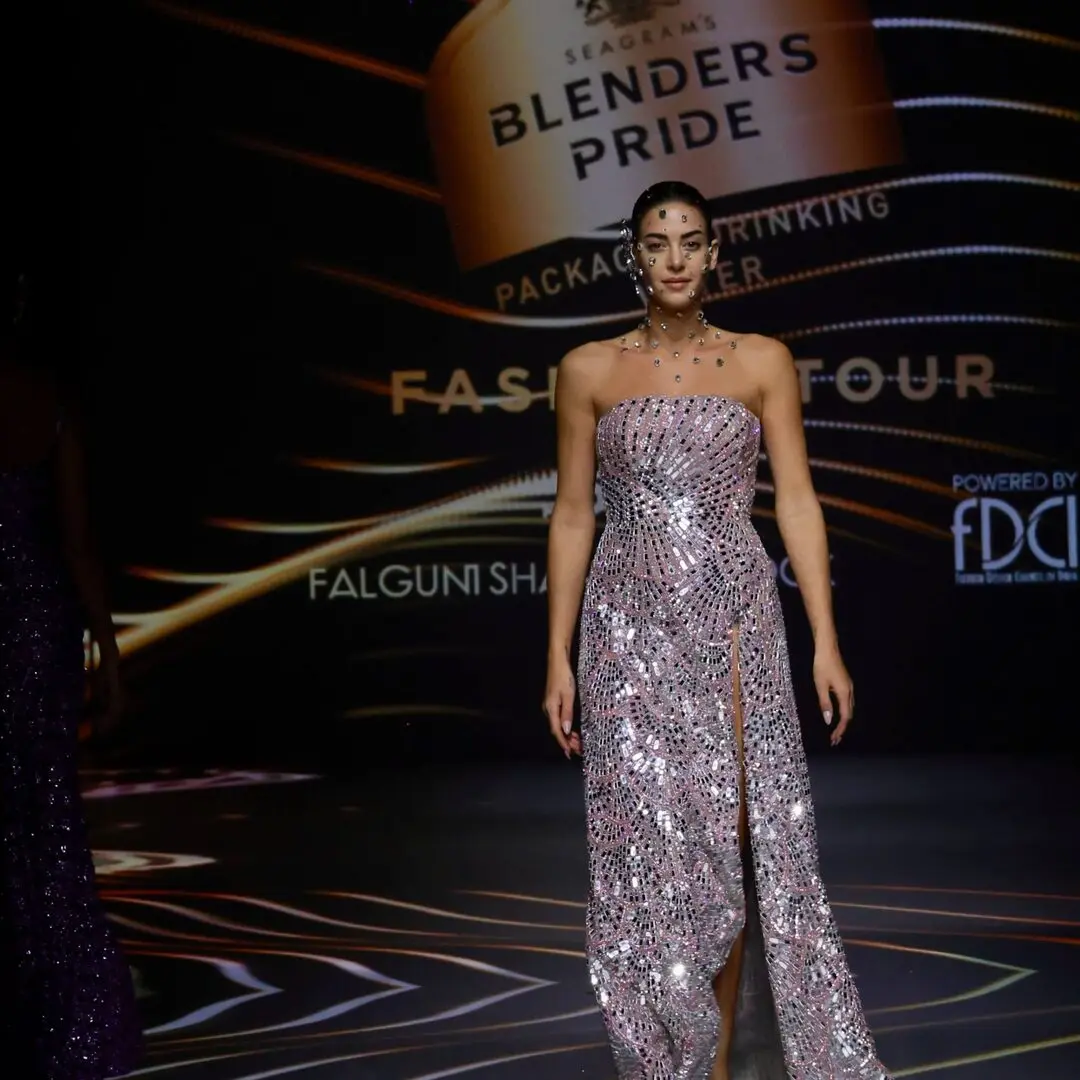
Colour has the ability to change the way an outfit feels without changing its design. The same silhouette can appear softer, more understated, or more striking simply by using a different shade.
That is why colour is an important styling decision. While its effect varies from person to person, the right shade can influence how comfortable, confident, or at ease someone feels in what they are wearing. Sometimes, changing the colour is enough to give a familiar outfit a completely different character.
Also Read: How Fashion Colour Trends Are Decided
The Meaning of Colors in Outfits
Colours often carry different associations, which is why they play such an important role in styling. White is often associated with freshness and simplicity, blue with a sense of calm, and red with confidence and presence. Green is often associated with balance, while black continues to be valued for its timeless appeal.
These associations are not fixed, but they help explain why colour remains one of the most influential elements in personal style. The meaning of a colour often depends on the occasion, the styling, and the person wearing it.
Power Dressing Colors
Power dressing is about creating a polished and assured impression, and colour plays an important role in achieving that. While tailored silhouettes provide structure, the right shades can strengthen the overall impact of an outfit.
Neutral shades remain popular because they work across different occasions and pair effortlessly with a variety of looks. Deeper tones often create a stronger presence, making them a popular choice for formal and professional settings. The most effective power dressing colours are the ones that complement your style and help you feel comfortable in what you wear.
Fashion Psychology Trends
Fashion psychology continues to influence the way people build their wardrobes. Rather than choosing colours simply because they are trending, many people are building wardrobes around shades they genuinely enjoy wearing and can style across different occasions.
This shift reflects a broader move towards intentional dressing. Colour is no longer seen as just a design element. It has become an important part of personal style, allowing people to create wardrobes that feel authentic and adaptable.
Colour as a Form of Expression
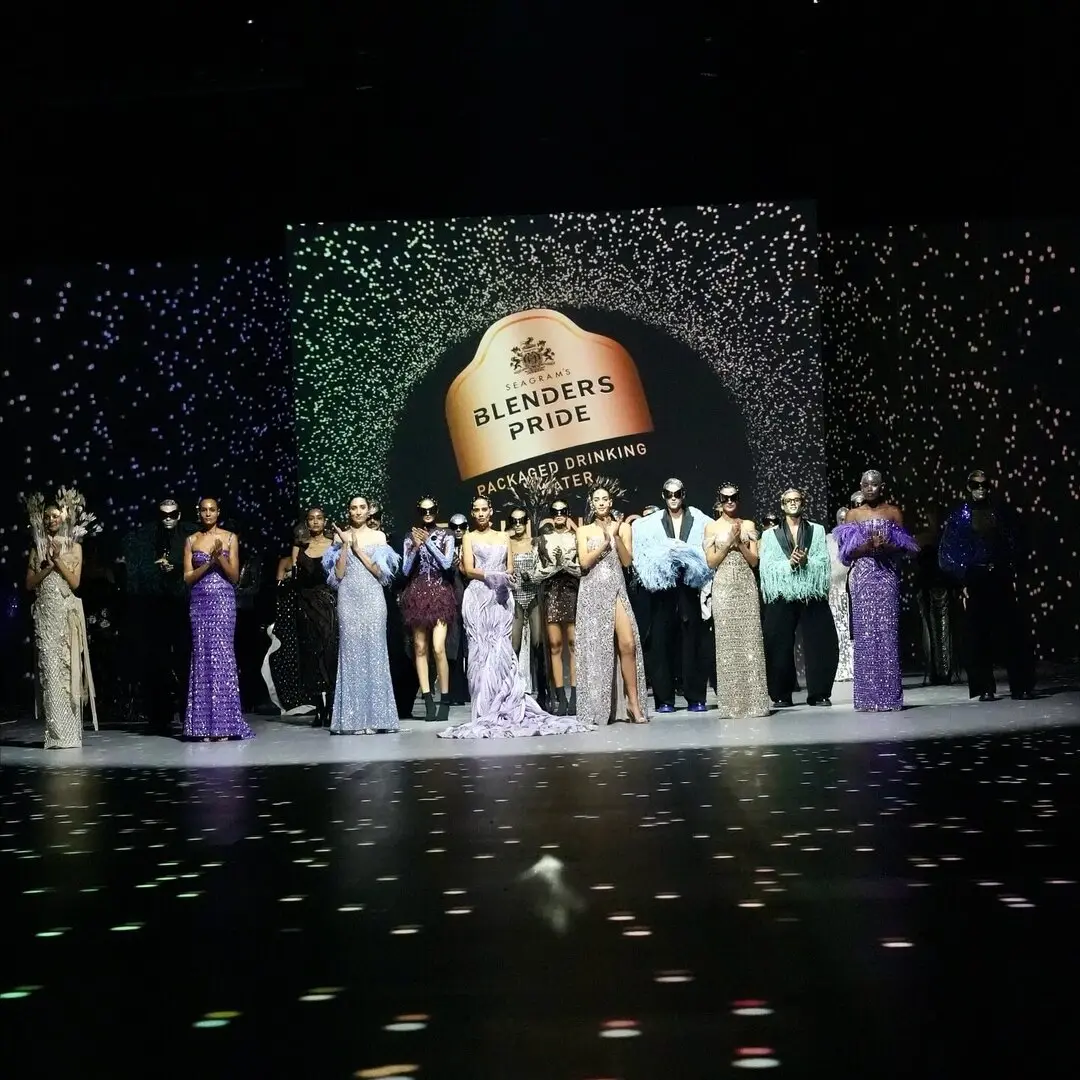
On the runway, colour works alongside silhouettes, styling, and presentation to shape the identity of a collection. Rather than standing out on its own, it becomes part of a larger creative vision that influences how each look is experienced.
This was reflected at the Blenders Pride Fashion Tour 2025, where Falguni Shane Peacock presented The Futureverse of Fashion. By combining couture with immersive technology, the presentation created a distinctive visual experience that demonstrated how different design elements come together to strengthen a collection’s identity.
Whether on the runway or in everyday dressing, colour continues to be one of fashion’s most versatile creative tools. It has the power to transform not only an outfit but also the way it is experienced.
Dressing for the Way You Want to Feel
As fashion continues to evolve, colour will remain central to the way collections are designed and styled. As personal style becomes more individual, choosing the right shade is no longer just about following trends but about creating looks that feel authentic.
Whether on the runway or in everyday wardrobes, colour continues to shape how fashion is perceived and remembered.