
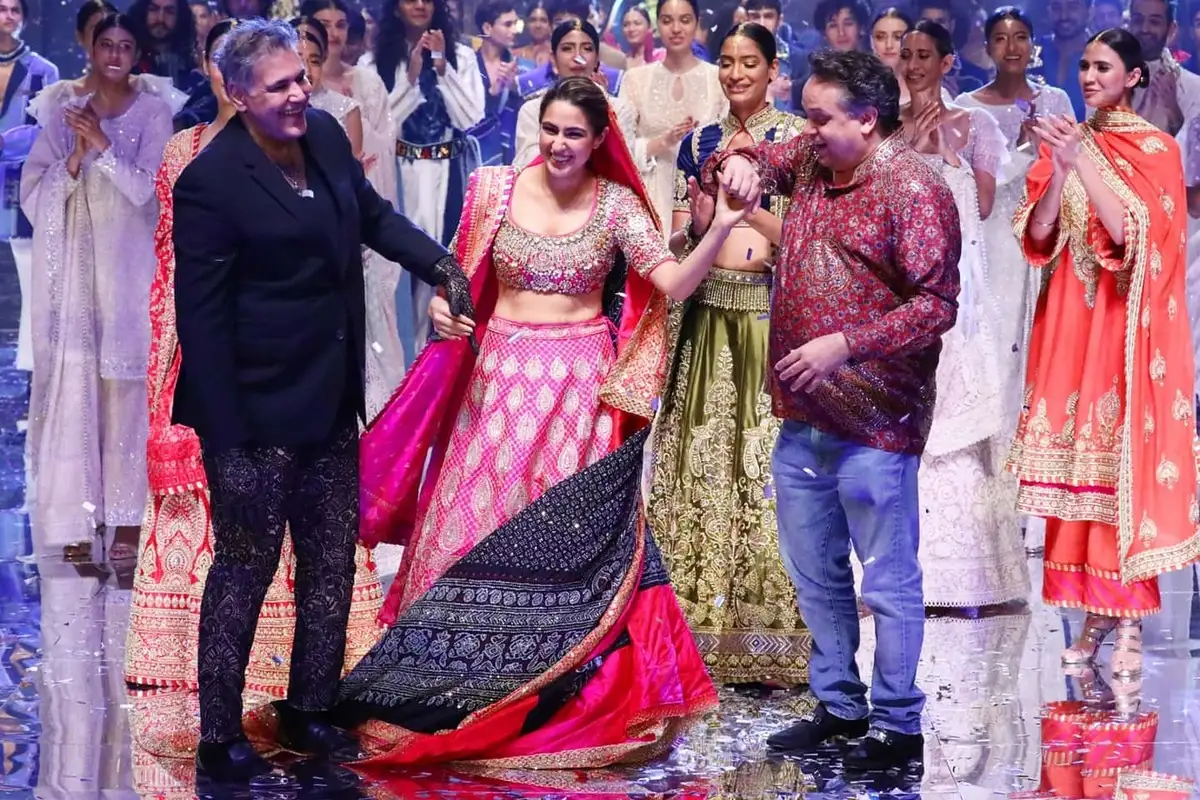
Garba is one of those celebrations where fashion is meant to move with you. During Navratri, chaniya cholis, dupattas and jewellery come alive with every graceful turn, adding to the energy and rhythm of the dance. The fabric, the fall of the outfit and even the way its layers are put together all play a part in creating that movement. It is this connection between craftsmanship and self-expression that continues to shape the way we look at fashion today. The Blenders Pride Fashion Tour brings this idea to life through designers who experiment with fabrics, silhouettes and details to create looks that feel fresh and expressive. Garba fashion has a charm of its own, with its colours, layers and embellishments coming together beautifully as you move to the rhythm of the dance.
Table of Contents
- Why Garba Outfits Are Made to Move
- How Layers Stay in Their Place
- Choosing Fabrics That Work With Movement
- The Dupatta Problem and How to Solve It
- When Fashion Turns Movement Into Art
- The Future of Garba Dressing
Why Garba Outfits Are Made to Move
The beauty of Garba lies not just in its music, but in the rhythm, movement and togetherness that fill the celebration. The continuous circular movement, clapping and dancing mean that an outfit needs to move with the body. Traditional chaniya cholis are designed with volume, giving the skirt enough space to spread beautifully during a spin. Embellishments, mirror work and layered details add visual interest, but the construction still needs to allow freedom of movement.
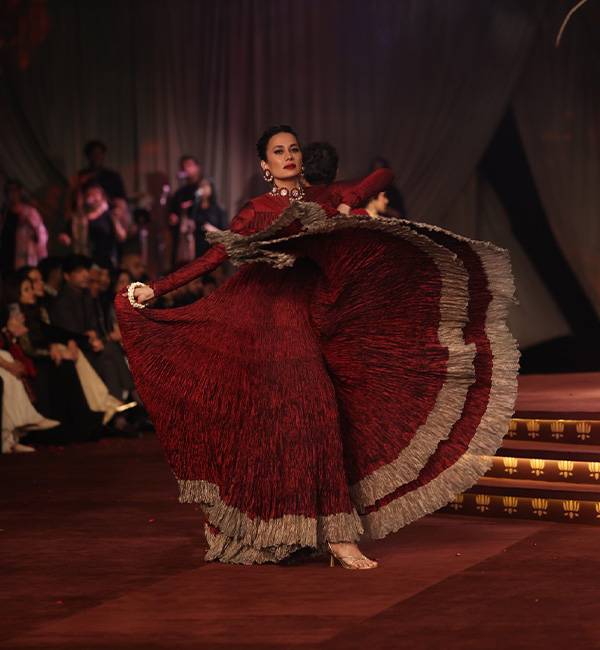
There is some simple physics hiding inside every good twirl. When you spin, the fabric moves outward because of the circular motion of your body. A fuller skirt creates a larger visual sweep, while lighter fabrics respond more quickly to movement. This is why a lehenga with the right amount of flare can create that dramatic circular shape without making you feel like you are fighting against your clothes.
Also Read: Navratri by Night: How Lighting and Movement Influence Your Outfit Choices
How Layers Stay in Their Place
The secret to avoiding a fashion disaster is balance. Too many heavy layers can make an outfit difficult to move in, while extremely light layers can shift too easily. Waistbands need to sit securely, skirts should have enough room around the legs and the overall weight of the outfit should be distributed comfortably. Even the placement of embroidery matters because heavier embellishment can affect how a garment falls and moves.
Choosing Fabrics That Work With Movement
The right fabric can bring a Garba outfit to life, especially when it starts moving with the dance. Lightweight georgette and chiffon create fluid movement, while fabrics with more structure can give a lehenga a stronger, more dramatic flare. Silk blends and cotton can offer a balance between shape and comfort. The best choice often depends on how much you plan to dance, because the fabric that looks perfect on a hanger may not be the most comfortable once the dancing begins.
The Dupatta Problem and How to Solve It
For many, the ultimate test of an outfit comes down to one single element: the dupatta. One minute it is perfectly draped and the next it has wrapped itself around your arm. Securing it properly can make all the difference. Pinning it at the shoulder, using a secure waist placement or choosing a shorter drape can keep it controlled without taking away from the look. The idea is simple: let the dupatta move, but make sure it knows where it is supposed to return.
When Fashion Turns Movement Into Art
The relationship between clothing and movement is also a big part of how fashion is presented on the runway today. Instead of creating pieces that only look good when you stand still, designers are paying more attention to how fabrics fall, flow and move with the body. A good example is Tarun Tahiliani’s ‘Dreamscape’, showcased at the Blenders Pride Fashion Tour in Mumbai in 2025. Presented on a floating runway against the Mumbai coastline, the collection brought together fluid drapes and intricate detailing, making movement an important part of the overall visual experience. It is a reminder that fashion does not stop at how an outfit looks; the way it moves with you can be just as important.
The Future of Garba Dressing
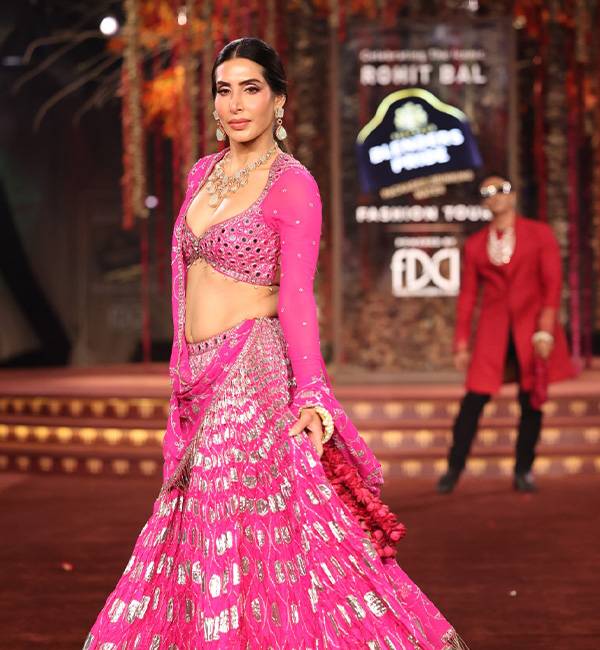
The future of Garba fashion is going to be about finding that sweet spot between tradition and movement. Designers are already experimenting with lighter fabrics, clever layering and easier styling without losing the visual richness that makes festive dressing so exciting. As Garba continues to evolve, outfits may become even more movement-friendly, giving you the freedom to spin, twirl and celebrate. Because honestly, the best Garba outfit should let you forget you are wearing it and just enjoy the dance.