
INTRODUCTION
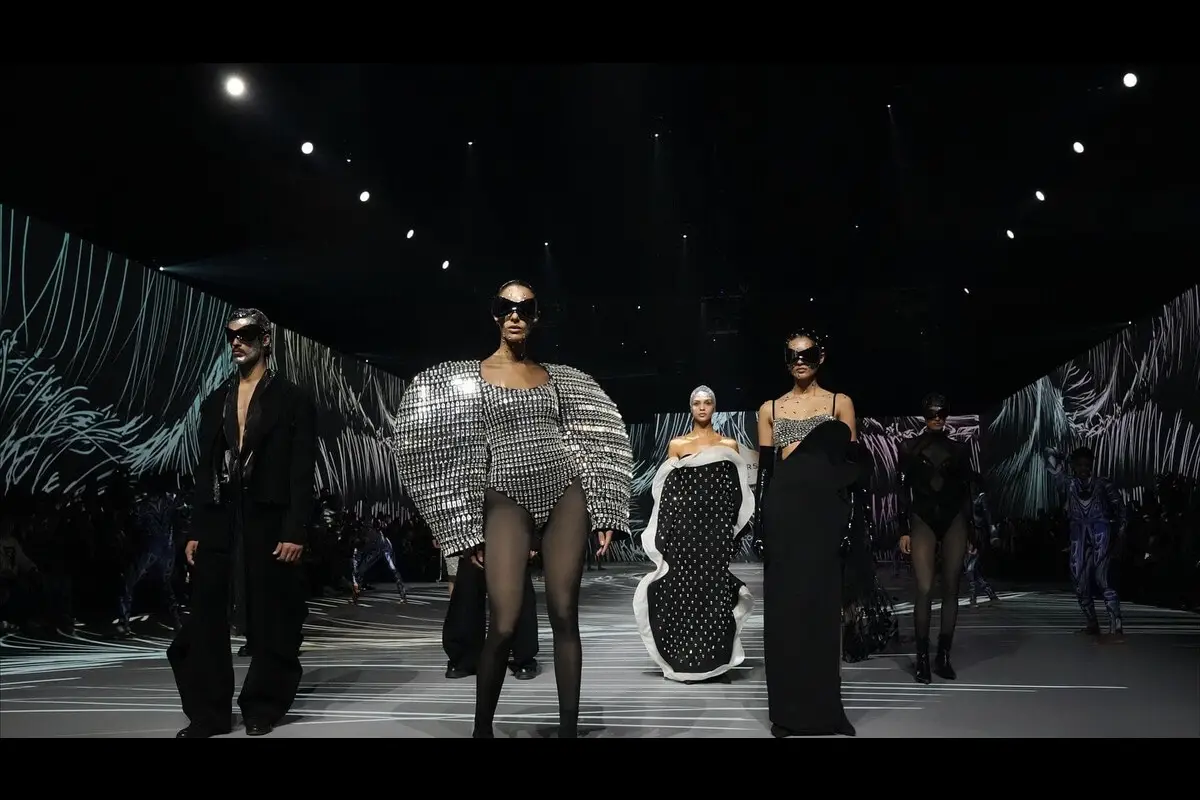
Fashion is no longer limited to fabric, stitching, and traditional methods. With the rise of fashion technology, the industry is going through a major transformation. One of the most important innovations in this space is 3D printed fashion, where garments are created layer by layer using advanced machines instead of being stitched together. This new method allows designers to create highly unique and creative outfits that go beyond normal clothing. These designs are often seen as wearable art, as they combine creativity, structure, and innovation in a completely new way.
OVERVIEW
- Introduction
- New Way of Designing Clothes
- Sustainability and Eco-Friendly Fashion
- Improvement in Materials
- Global Runway and Designers
- Customization and Perfect Fit
- Conclusion
New Way of Designing Clothes
3D printed fashion has completely changed the way garments are designed and produced. In traditional fashion, clothes are made from flat fabrics that are cut and stitched together. However, with modern fashion technology, designers now create digital models and directly print garments in three-dimensional forms. This removes the need for cutting and stitching and allows the creation of complex structures that were not possible earlier. Designers can experiment with shapes inspired by nature, such as waves, crystals, and flowing forms. As a result, clothes are no longer just functional items but are transformed into wearable art, where each piece reflects creativity and innovation.
Sustainability and Eco-Friendly Fashion
One of the biggest advantages of 3D printed fashion is its contribution to sustainability. The traditional fashion industry produces a large amount of waste due to leftover fabric and excess production. In contrast, 3D printing uses only the exact amount of material required, which significantly reduces waste. This makes it a more environmentally friendly approach. Additionally, designers are increasingly using recycled materials, such as ocean plastic and bio-based filaments. Through the use of advanced fashion technology, the industry is moving towards a more responsible and sustainable future, where style and environmental care go hand in hand.

Improvement in Materials
In the early stages, 3D printed fashion was limited because the materials used were hard and uncomfortable. These garments were mostly suitable only for display purposes. However, with advancements in fashion technology, materials have improved significantly. Today, designers use flexible materials like thermoplastic polyurethane (TPU), which offers comfort similar to rubber or leather. Some garments are even designed to respond to environmental changes, such as heat or moisture, allowing them to expand or adjust their shape. These innovations have made wearable art not only visually appealing but also practical and comfortable for everyday use.
Global Runway and Designers
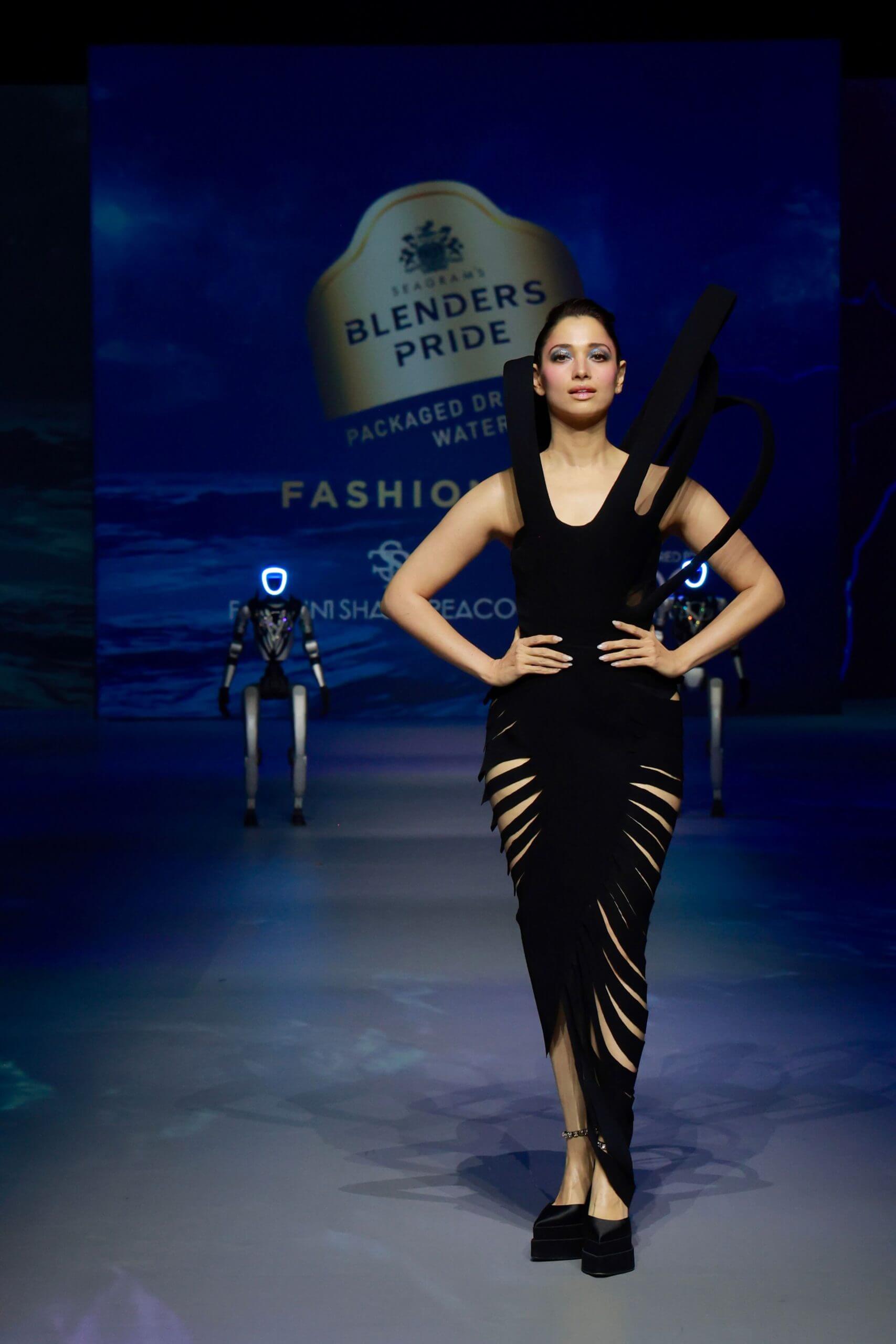
The impact of 3D printed fashion can be clearly seen on global fashion platforms like the Blenders Pride Fashion Tour. Over the years, this platform has showcased how fashion technology is shaping modern style. In 2022, during the Blenders Pride Fashion Tour in Hyderabad, designer Amit Aggarwal collaborated with architect Nuru Karim to create sustainable collections using 3D structures and recycled materials, blending innovation with environmental responsibility.
Moving forward, in the 2024 “Fashion NXT” showcase in Bhubaneswar, Akshat Bansal introduced futuristic designs that blurred the line between clothing and technology, further strengthening the role of wearable art in modern fashion.
By 2025, at the Gurugram edition titled “Futureverse,” Falguni Shane Peacock took this concept even further by integrating holograms and humanoid robots into their presentation. This clearly showed how 3D printed fashion and advanced fashion technology are redefining the runway experience and pushing fashion into a futuristic space.
Customization and Perfect Fit
Another major benefit of 3D printed fashion is customization. In traditional clothing, people rely on standard sizes like small, medium, and large, which may not always provide a perfect fit. However, with the help of body scanning and fashion technology, garments can be designed according to an individual’s exact body measurements. This ensures better comfort and a more personalized experience. Each piece becomes unique to the wearer, making it a true form of wearable art that reflects personal identity. This concept of mass customization is changing the way people think about fashion, shifting the focus from mass production to individuality.
CONCLUSION
In conclusion, 3D printed fashion is transforming the fashion industry by combining creativity with advanced fashion technology. It allows designers to create innovative and sustainable designs while reducing waste and improving efficiency. It also offers customization, ensuring that every garment fits perfectly and reflects the wearer’s personality. As these designs develop, clothing goes beyond basic function and becomes a way to express identity through wearable art. This shift from traditional stitched garments to digitally created designs marks the beginning of a new era in fashion, where technology and creativity come together to shape the future.