
Think about a fashion show. You might picture models walking silently down a long runway. For a long time, that’s exactly what they were. But today, things have changed. A modern fashion show is more like a concert, a party, or even a movie. It’s a full experience designed to wow you, and it’s all thanks to the creative role of fashion designers.
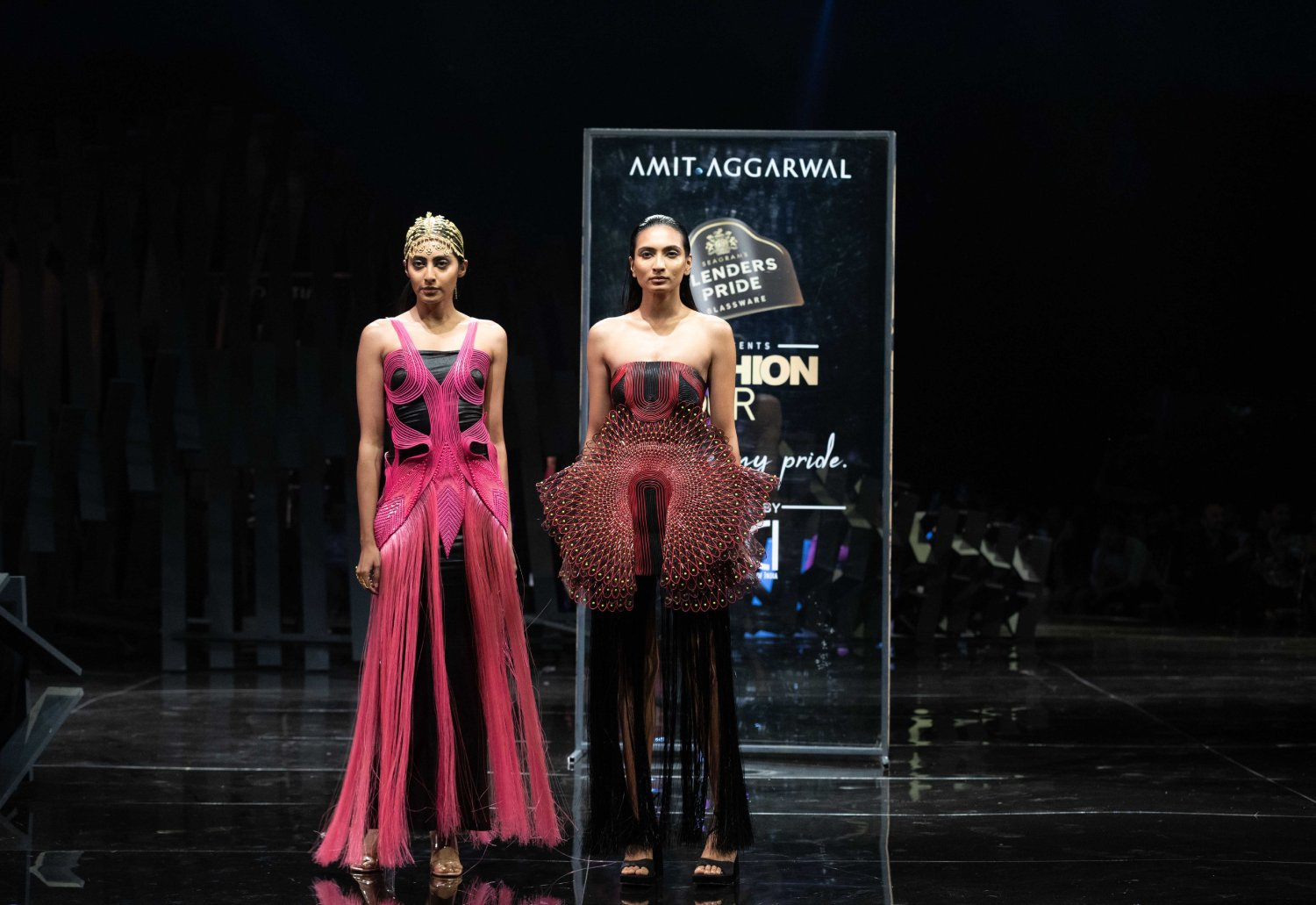
Today, instead of just showing new clothes and fashion trends, designers are creating unforgettable moments. Let’s look at how contemporary fashion designers turn a simple clothing line into a spectacular event, with platforms like the Blenders Pride Fashion Tour giving them the stage to do it.
The New Job of a Fashion Designer
The traditional role of a fashion designer focused almost exclusively on the product—the cut of a jacket, the drape of a dress. While craftsmanship remains paramount, the contemporary designer’s canvas has expanded dramatically. Today, the collection is merely the protagonist in a much larger story. The designer is responsible for writing the script, building the set, composing the score, and directing the entire production.
Their job now involves asking a series of profound questions that go far beyond aesthetics: What is the mood of my collection? What story am I telling? What do I want my audience to feel, not just see? How can I make this moment unforgettable? The answers to these questions shape every decision, from the choice of venue and the music to the lighting design and the overall sensory environment. The goal is to create a holistic universe that the audience can step into, even if just for a short while. This experiential approach moves fashion from a transactional realm to a transformational one.
It All Starts with a Story
Every great show begins with an idea. Before a designer even picks up a pencil, they think about the story they want to tell.
We see this masterfully executed by some of India’s most celebrated creative minds. Take, for instance, Tarun Tahiliani’s magnificent collection, ‘Dreamscape,’ showcased at the Blenders Pride Fashion Tour. This wasn’t just a series of beautiful outfits; it was a narrative in four parts. From the heavenly silhouettes of ‘Sitara’ to the nature-inspired motifs of ‘Bahaar,’ each segment was a distinct chapter in a larger tale of ethereal femininity and refined structure. The collection itself told a story, making the runway presentation a journey through Tahiliani’s imaginative world.
Similarly, Nitin Bal Chauhan’s ‘CHAMUNDA’ collection reinterpreted medieval armor for the modern street. The inspiration wasn’t just a stylistic nod; it was a deep dive into history, tradition, and strength, brought to life with intricate, hand-painted artworks. By rooting their collections in such rich, narrative soil, designers ensure the subsequent show is not just a display but a powerful piece of storytelling.
How Indian Fashion Designers Are Turning Fashion Shows into Experiences
Once a designer has their story, they build the world around it. Here are a few ways they do it:
1. Location as a Character:
The generic white runway is a thing of the past. Today’s fashion designers choose locations that are integral to their story. A prime example is Tarun Tahiliani’s show in Mumbai for the Blenders Pride Fashion Tour. Instead of a conventional hall, he chose a majestic floating runway set against the breathtaking Mumbai coastline. The setting wasn’t just a backdrop; it was an active participant, enhancing the collection’s themes of fantasy and glamour. The sea, the skyline, and the open air became part of the ‘Dreamscape,’ making the experience profoundly memorable and unique.
2. The Symphony of Senses: Fusing Music and Performance:
Music is no longer just ambient noise; it’s the heartbeat of the show. Designers collaborate with musicians to create a sonic landscape that mirrors the collection’s rhythm and mood. At the Chandigarh stop of the Blenders Pride Fashion Tour, designer Kanika Goyal, known for her edgy street luxe, didn’t just play a track. She had the folk-tronic duo Hari & Sukhmani performing live on the runway, their music syncing perfectly with the energetic, adventurous spirit of her designs.
The Guwahati grand finale took this fusion even further. Abhishek Patni’s rockstar-infused streetwear collection ‘Racer 01’ was amplified by the raw energy of rapper KARMA, while Nitin Bal Chauhan’s dramatic silhouettes were complemented by the powerful delivery of KR$NA. This seamless blend of fashion and live music creates a dynamic, concert-like atmosphere that captivates the audience and elevates the show into a cultural event.
3. The Technological Frontier:
Innovation is a key part of the modern designer’s toolkit. Akshat Bansal of the label Bloni pushed the boundaries of a fashion show into the realm of science fiction. His showcase was a dialogue between fashion and technology, featuring AI-generated visuals, 3D-modelled elements, and, most stunningly, photochromatic fabrics that transformed and changed colour in real-time on the runway. Paired with the pulsating electronic beats of musician Ritviz, the show became a multi-sensory, futuristic spectacle that left the audience in awe. This is the designer as an innovator, using technology not as a gimmick but as a new medium for creative expression.
4. The Power of Personality: Celebrity Showstoppers:
In the world of experiential fashion, the showstopper is more than just a famous face. They are the living embodiment of the collection’s spirit. When fashion icon Sonam Kapoor walked the ramp for the poignant tribute to the legendary Rohit Bal, she wasn’t just modelling a garment; she was personifying his opulent aesthetic and long-standing legacy. Similarly, when the energetic Ishaan Khatter owned the runway in a Pawan Sachdeva creation, he perfectly captured the collection’s theme of ‘controlled chaos.’ The celebrity becomes the final, crucial brushstroke on the designer’s living canvas, connecting the high-concept world of fashion with a relatable, aspirational human element.
Also Read: Blenders Pride Fashion Tour 2025: From Runway to Street Style
Why Go Through All This Trouble?
From the quiet intimacy of a sketch to the thunderous applause of the spotlight, the journey of a fashion collection has become a grand odyssey. Today’s fashion designers are the captains of this voyage, steering their creative vision through a sea of logistics, technology, and performance art to deliver their audience to a new and exciting shore.
Here are some reasons why fashion designers are investing so much effort into creating these elaborate productions:
Firstly, an experiential show forges a powerful emotional connection with the audience. Attendees leave not just remembering a particular dress, but the feeling of being part of a unique moment. This emotional resonance builds incredible brand loyalty.
Secondly, these spectacles are tailor-made for the social media age. A floating runway or a colour-changing dress is instantly shareable, generating organic buzz and media coverage that money can’t buy. This amplifies the designer’s reach exponentially, turning a local event into a global conversation.
Finally, by creating a comprehensive world around their collection, designers cement their brand identity and artistic vision in a way that a simple lookbook never could. It elevates their status from craftsperson to visionary artist.
Conclusion
Platforms like the Blenders Pride Fashion Tour understand this, and it’s not about giving resources or freedom, but curating a legacy of excellence and innovation. It’s about curating a legacy of excellence, innovation, and storytelling. By empowering designers to transform shows into immersive experiences, they celebrate fashion as both an art form and a cultural movement.