
Same Clothes. Different Purpose.
A beautifully designed outfit can do more than make someone look good. It can tell a story, shape a character, or define an entire fashion moment.
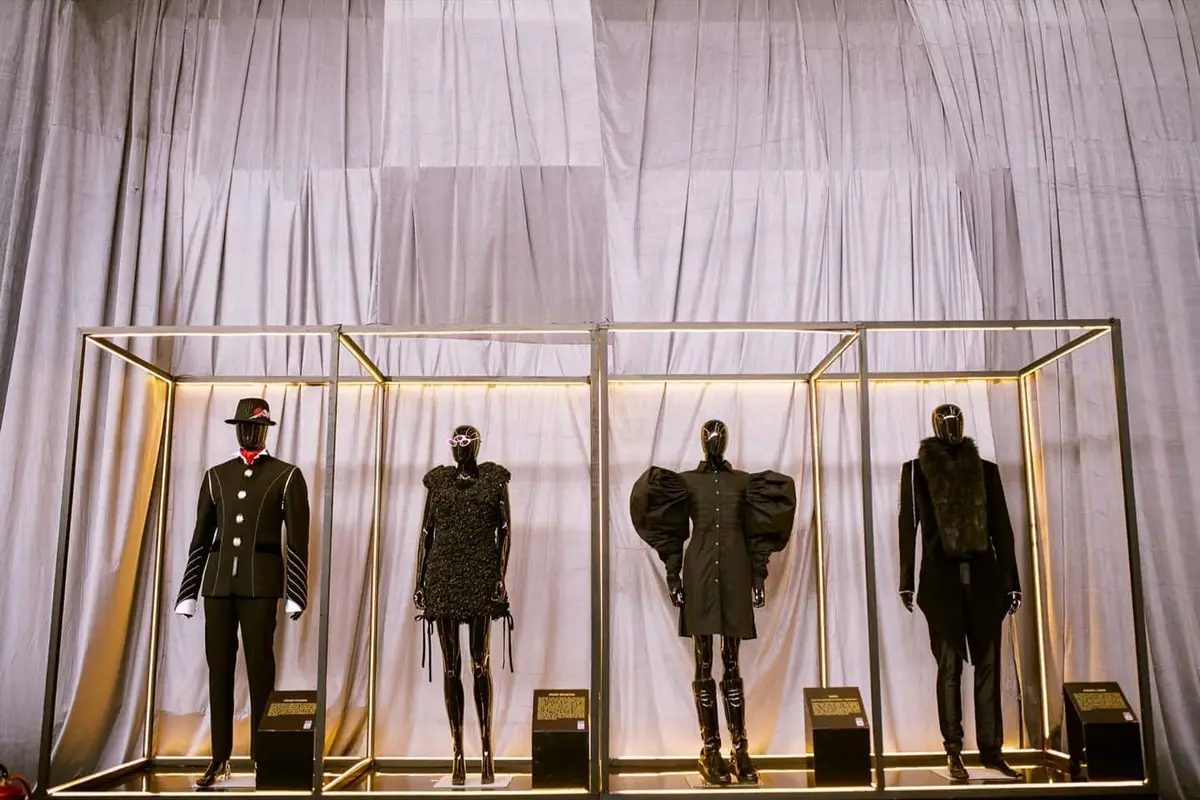
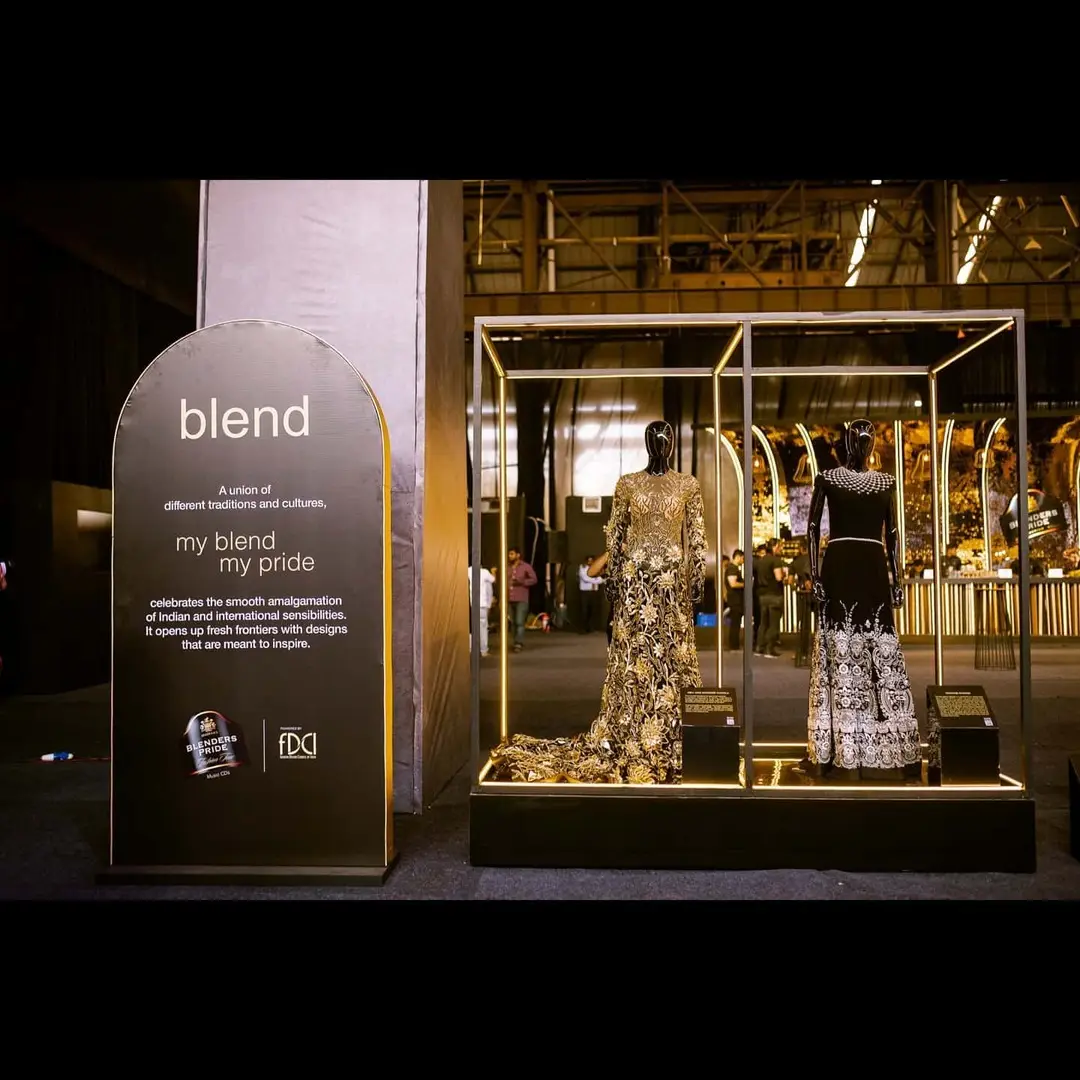
The connection between fashion and storytelling is more visible than ever. At the Blenders Pride Fashion Tour, runway presentations often extend beyond the garments themselves, showing how fashion can become part of a larger narrative.
At first glance, fashion design and costume design may seem similar because both rely on creativity and craftsmanship. The difference lies in what they are created to achieve. One is designed for everyday life. The other is designed for storytelling. Yet as fashion, film, and performance continue to influence one another, the line between these two worlds becomes more blurred than ever.
TABLE OF CONTENTS
- Costume Design vs Fashion Design
- The Role of a Film Costume Designer
- The Fashion Designer’s Perspective
- When Fashion and Film Cross Paths
- Theatre Costume Design Basics
- Fashion vs Costume Industry
- When Design Meets the Runway
- Conclusion: Different Worlds, Shared Creativity
Costume Design vs Fashion Design
The biggest difference between costume and fashion lies in purpose. A fashion designer creates garments that people can wear beyond a single moment. Collections respond to changing lifestyles, cultural influences, and evolving trends while allowing individuals to express their personal style.
Costume design starts with a script instead of a seasonal collection. Every garment is created for a specific character, making clothing an important part of visual storytelling. It helps audiences understand the character before a single line of dialogue is spoken.
Despite their differences, both disciplines begin with a creative idea that gradually takes shape through design.
The Role of a Film Costume Designer
The role of a film costume designer involves much more than selecting outfits. Costume designers work closely with directors, production designers, and actors to understand each character before deciding what they should wear.
Every design choice has a purpose. Costumes help the audience understand who a character is and how they evolve throughout the story. When done well, the audience becomes immersed in the character rather than noticing the clothing itself.
The best costume design always serves the story first.
The Fashion Designer’s Perspective
A fashion designer approaches clothing from a different perspective. The goal is to create garments that people connect with and want to wear. Inspiration can come from almost anywhere, whether it is travel, architecture, art, or everyday experiences, but the final collection must feel relevant beyond a single narrative.
Designers also think about how individual garments come together as one collection. Every look contributes to a larger creative direction while maintaining its own identity.
Fashion may not always tell a fictional story, but every collection still communicates an idea.
When Fashion and Film Cross Paths
The relationship between fashion and film has grown stronger over the years. Luxury brands regularly collaborate with films, while memorable movie costumes continue to influence designers and inspire everyday style.
This crossover between fashion and film allows ideas to move freely between both industries. Costume design inspires fashion collections, while fashion designers often bring cinematic elements into their runway presentations.
As a result, the distinction between fashion and costume continues to evolve.
Theatre Costume Design Basics
Theatre costume design shares many similarities with film, but it comes with its own creative challenges. Costumes need to support live performances while remaining practical for movement, lighting, and repeated costume changes.
The objective is always the same: helping the audience understand the story through clothing. Every garment becomes another storytelling tool that supports the performance without distracting from it.
Fashion vs Costume Industry
The fashion vs costume industry comparison often focuses on their differences, but they share the same creative foundation. Both rely on collaboration and careful design before a garment reaches its audience.
The difference lies in the final destination. Fashion becomes part of someone’s wardrobe. Costumes become part of a character’s world.
Both prove that clothing has the ability to communicate far more than appearance alone.
Also Read: Understanding High Fashion: Couture to Culture
When Design Meets the Runway
The relationship between fashion and costume design becomes especially evident on the runway. At the Blenders Pride Fashion Tour 2025, Falguni Shane Peacock presented a runway experience that brought together fashion and performance, creating a presentation that went beyond showcasing garments. It reflected how presentation can shape the way a collection is experienced, much like costume design shapes the way audiences experience a character.
Whether designing for a runway or a character, every memorable look begins with a strong creative vision.
Conclusion: Different Worlds, Shared Creativity
Fashion design and costume design may have different purposes, but both begin with imagination. One creates clothing for everyday life, while the other creates clothing for fictional worlds. Together, they show that garments can communicate identity, emotion, and ideas without saying a word.
Whether you are watching a film, attending a runway show, or simply getting dressed for the day, every memorable outfit begins with a creative idea. The only difference is where that idea comes to life.