
Introduction
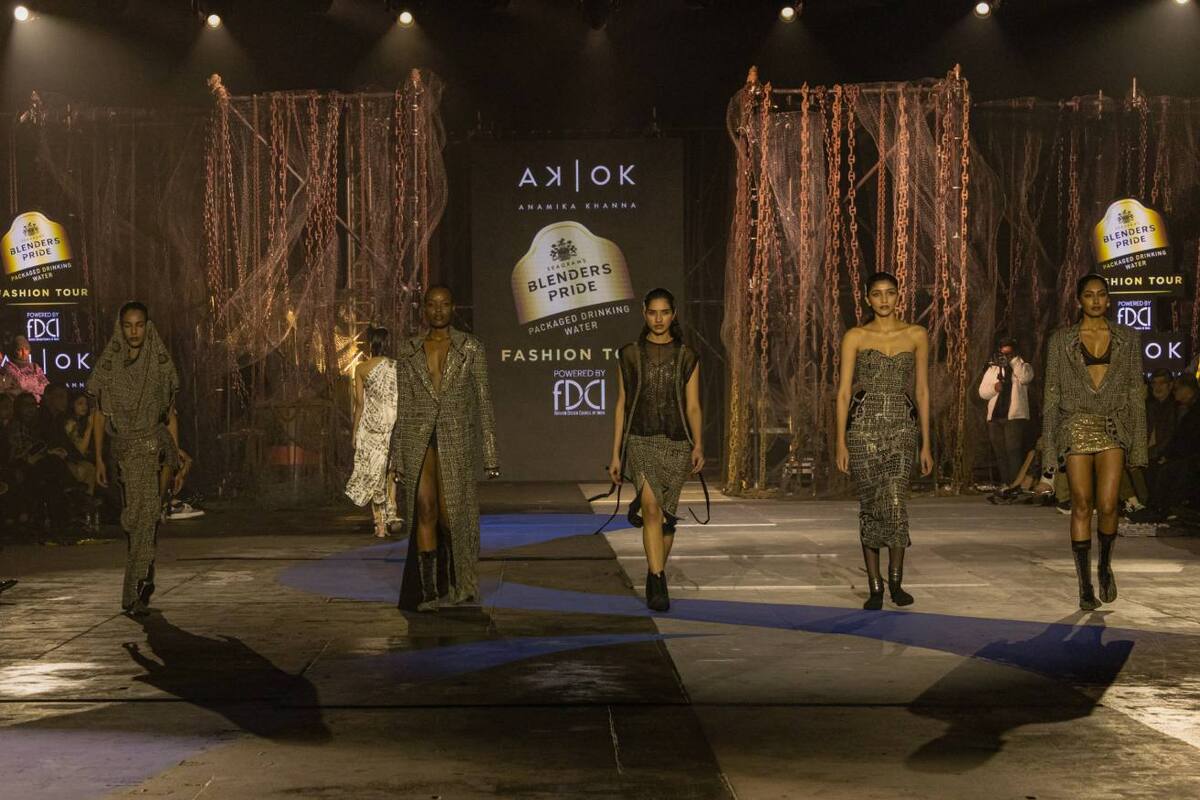
Not every masterpiece hangs on a wall. Some command attention under runway lights.
There are moments in fashion when a garment stops being simply something to wear and becomes something to experience. A sculptural silhouette, an unexpected material or a gravity-defying form can evoke the same sense of wonder as a work of art, inviting audiences to look beyond aesthetics and discover the idea behind the design.
This is the world of conceptual fashion, where creativity takes precedence over convention and couture becomes a medium for artistic expression. As the boundaries between fashion, art and performance continue to blur, platforms like the Blenders Pride Fashion Tour are reimagining the runway as a space where creativity, craftsmanship and storytelling come together.
Table of Contents
- The Idea Before the Garment
- The Language of Couture
- Fashion in Three Dimensions
- When the Runway Becomes the Canvas
- Why Conceptual Couture Endures
- Conclusion
The Idea Before the Garment
Every iconic creation begins with a thought before it becomes a sketch.
Unlike conventional design, where functionality often shapes the final piece, conceptual fashion begins with an idea. It could be inspired by architecture, nature, history or even an emotion. The concept guides every creative decision, influencing the silhouette, materials and construction until the garment becomes a visual expression of that original vision.
So, what is conceptual fashion? It’s an approach that treats clothing as more than apparel. Every creation is designed to communicate something, encouraging audiences to experience fashion beyond aesthetics. Rather than asking, would someone wear this every day? conceptual fashion asks, What does this creation make you feel?
Like any compelling work of art, conceptual fashion reveals itself over time. Every viewing uncovers a new detail, a fresh perspective or a deeper layer of meaning.
Also Read: Chainmail Sculptural Fashion Trends
The Language of Couture
If ideas form the foundation, couture gives them physical form.
The true meaning of couture lies in its exceptional craftsmanship. Every garment is developed through countless hours of sketching, draping, pattern-making and meticulous hand-finishing. Precision isn’t simply a mark of luxury; it’s what allows even the most ambitious creative visions to become reality.
In conceptual couture, every detail serves a purpose. An exaggerated sleeve may alter perception, intricate embroidery may reinforce a narrative and unconventional construction may challenge familiar ideas of proportion. Here, technical mastery doesn’t exist for spectacle alone. It enables imagination to take shape.
Fashion in Three Dimensions
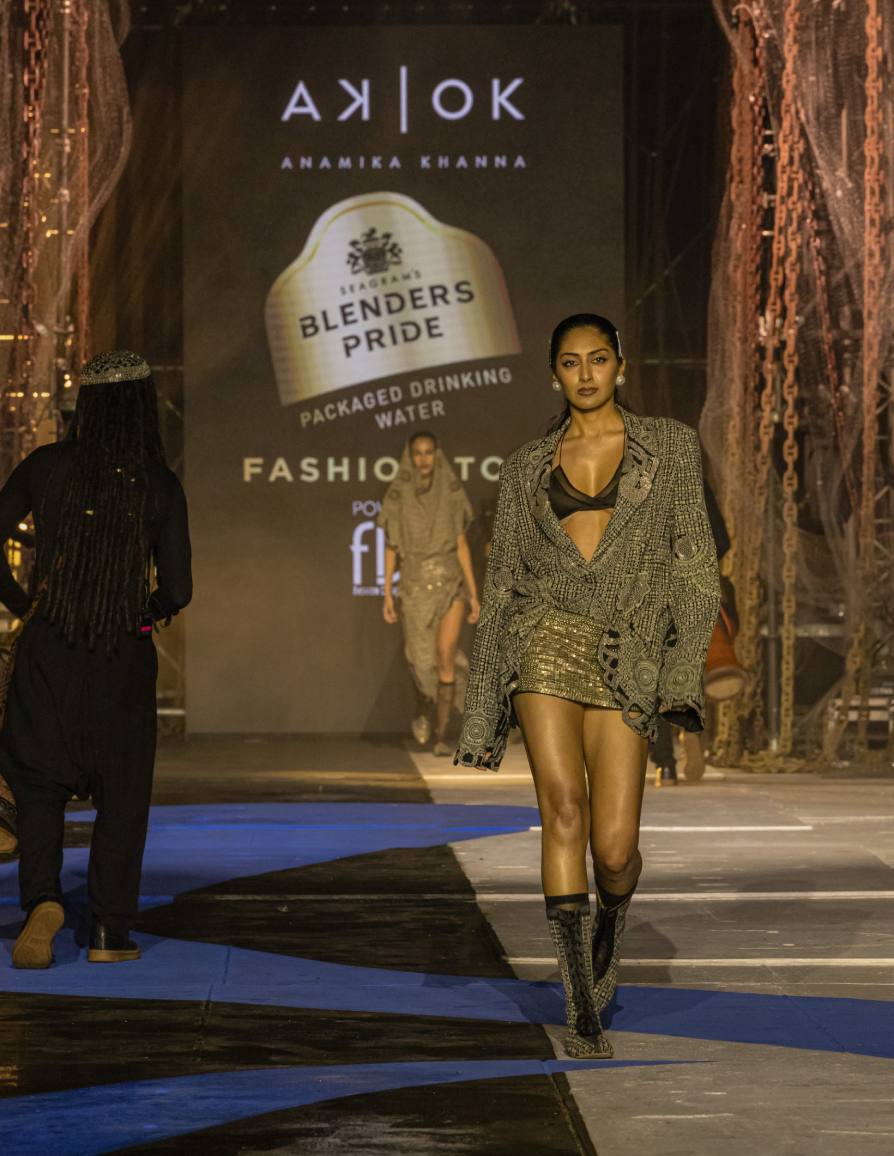
Unlike paintings or sculptures displayed in galleries, couture is designed to move.
As the wearer walks, a sculpted shoulder catches the light differently. Layers shift with every step. Volumes expand and contract, revealing new perspectives from every angle. The garment continuously changes, making movement an essential part of the design.
This relationship between fashion and motion is what gives conceptual couture its sculptural quality. Fabric behaves like architecture. The body becomes part of the composition. Every presentation feels unique because no two movements are ever identical.
It’s this constant transformation that allows conceptual fashion to exist as a living sculpture, one that evolves with every moment rather than remaining frozen in time.
When the Runway Becomes the Canvas
Conceptual couture doesn’t end with the garment. It extends into the entire experience.
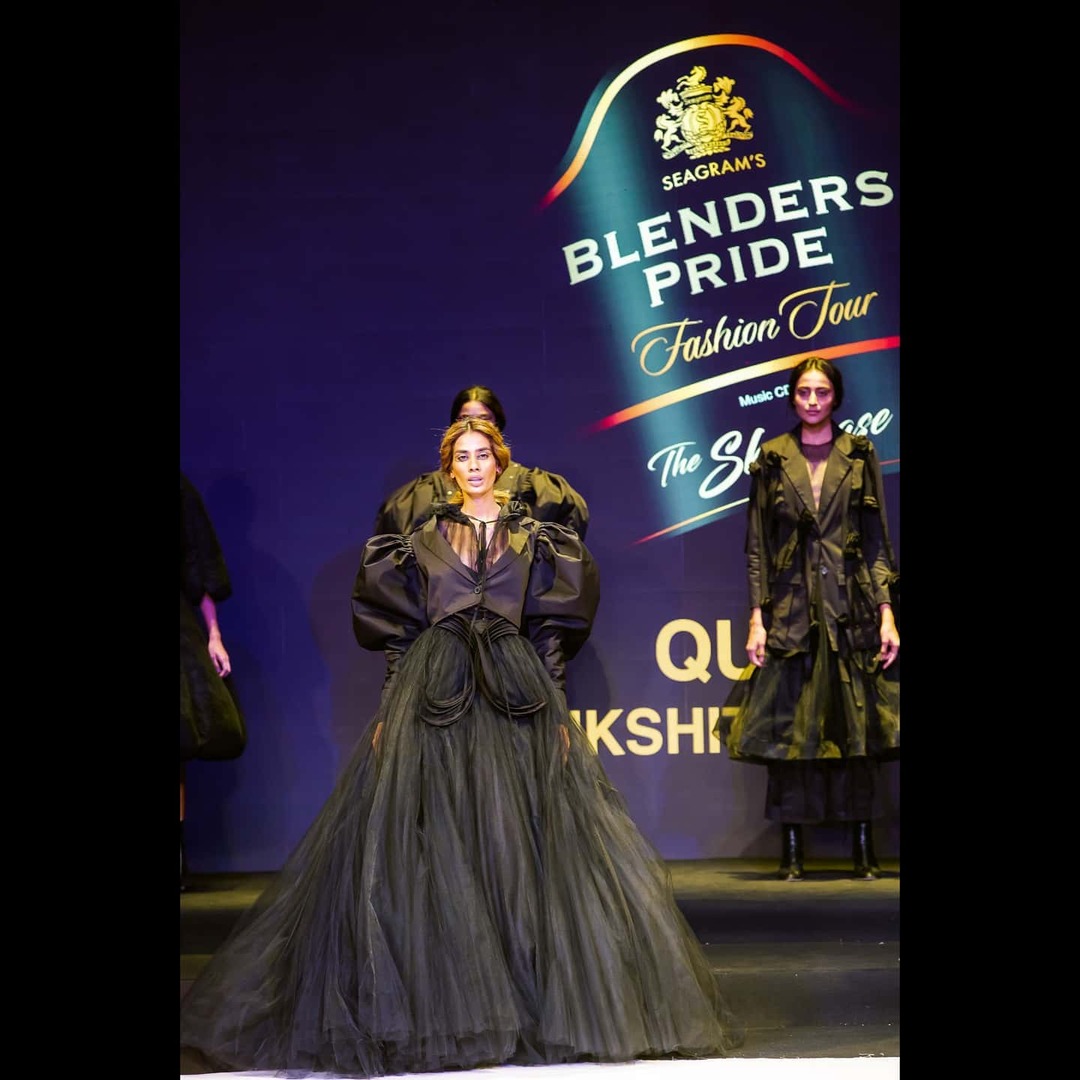
This was beautifully demonstrated at the Blenders Pride Fashion Tour in Gurgaon in 2025, where Falguni Shane Peacock presented a showcase that merged couture with immersive storytelling. Intricate craftsmanship, dramatic silhouettes and futuristic detailing were complemented by holographic visuals, dynamic staging and theatrical presentation, turning the runway into an extension of the collection itself.
Rather than serving as a backdrop, the environment became part of the creative narrative. Technology didn’t overshadow craftsmanship, it amplified, allowing every silhouette, embellishment and movement to become part of a larger visual narrative.
It’s a reminder that conceptual couture isn’t confined to fabric alone. It comes alive through the way it’s presented, experienced and remembered.
Why Conceptual Couture Endures
The influence of conceptual couture extends far beyond a single runway presentation.
Many of fashion’s most innovative silhouettes, construction techniques and design ideas first emerge through conceptual collections before inspiring broader trends across the industry. What begins as artistic experimentation often shapes the future language of fashion.
Its enduring appeal also lies in its ability to provoke conversation. Rather than offering immediate answers, conceptual couture encourages audiences to interpret, question and appreciate the creative thinking behind every detail. That lasting dialogue is what gives these creations significance beyond the moment they are unveiled.
Conclusion
The most memorable works of art continue to reveal something new long after the first encounter. Conceptual couture shares that same quality.
It transforms ideas into form, craftsmanship into expression and the runway into an immersive creative experience. Through platforms like the Blenders Pride Fashion Tour, couture continues to demonstrate that fashion isn’t simply about what we wear. It is also about what we imagine, interpret and remember.
Because when creativity, craftsmanship and vision come together, a garment becomes more than clothing. It becomes an experience that stays with us long after the final walk.