A fashion show is often perceived as a fleeting parade of beautiful people in beautiful clothes. The lights dim, the music swells, and one by one, models stride down a brightly lit runway—the catwalk. For the uninitiated, it might seem like a straightforward presentation of a new collection. But for the visionary fashion designer, the runway is so much more than a platform to display garments. It is a stage, a canvas, and a living narrative. It is theatre, where every element, from the first beat of the soundtrack to the final bow, is meticulously crafted to tell a story.
In today’s immersive world, a successful collection doesn’t just hang on a rack; it lives and breathes in the audience’s imagination. The catwalk is the birthplace of this imagination. It’s where a designer transforms from a creator of clothes into a director of dreams, guiding the audience through a multi-sensory journey that evokes emotion, provokes thought, and builds a powerful connection to the brand. This art of runway storytelling is being mastered globally, and the contemporary Indian fashion designer is at the forefront, weaving intricate tales that blend rich heritage with a bold, modern vision.
The Core Elements of Runway Storytelling
Before a single model steps onto the runway, the story has already begun. A designer orchestrates several key elements to build a cohesive and impactful narrative. Understanding these components is like learning the grammar of fashion storytelling.
The Collection:
The clothes themselves are the main characters of the story. The narrative arc is built through the progression of silhouettes, the evolution of the colour palette, and the interplay of textures. A collection might journey from dark, structured pieces to light, ethereal gowns, telling a story of liberation or transformation. Experimental fabrics, bold prints, and intricate embroidery are the dialogues that reveal the character’s personality and journey.
The Venue:
The location of a fashion show is the story’s setting, and it immediately establishes the mood. A show held in a dilapidated industrial warehouse tells a very different tale from one set in a grand, historic palace or on a serene, floating runway. The environment immerses the audience in the designer’s world, whether it’s a futuristic dystopia, a romantic fairytale, or an edgy urban streetscape.
The Music:
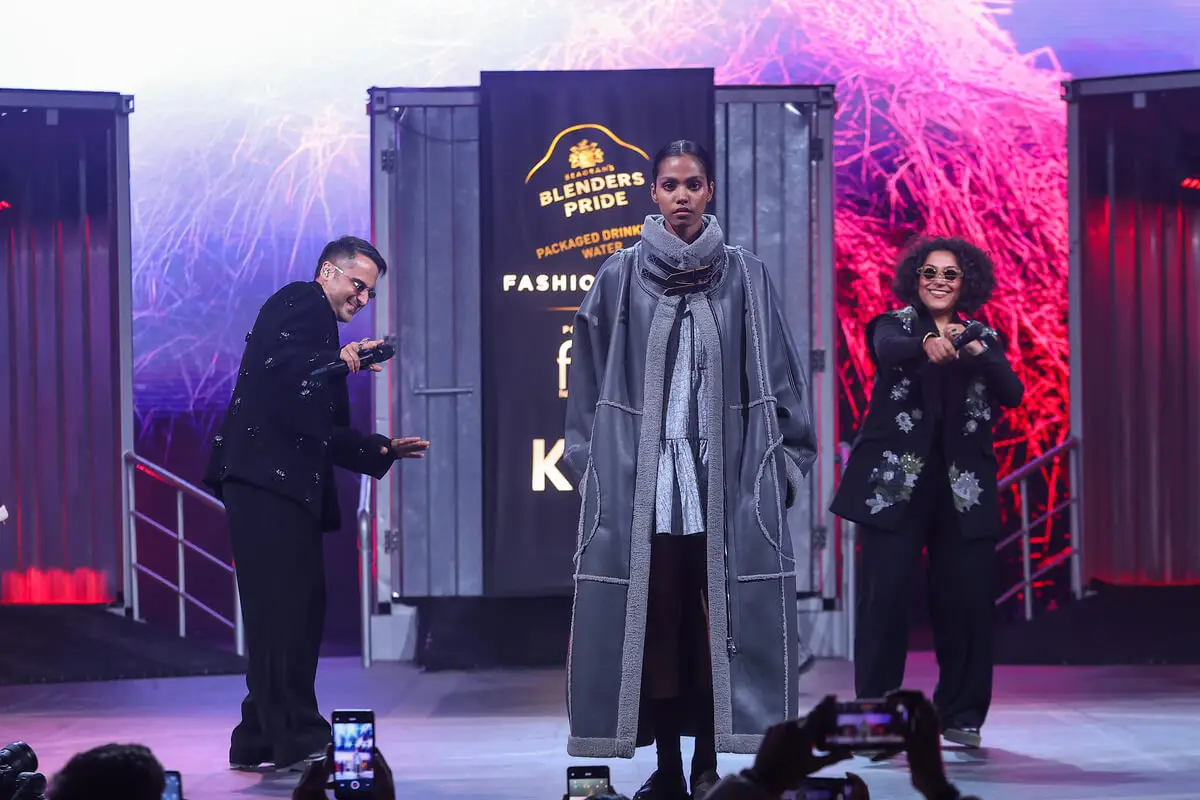
Music is the emotional engine of the runway show. It dictates the pace and intensity, stirring feelings long before the clothes are consciously processed. A live classical orchestra can evoke timeless elegance, while a pulsating techno beat injects a sense of urgent, futuristic energy. Soulful folk music might speak of heritage and roots. Ma Faiza’s powerful set at the Mumbai edition of Blenders Pride Fashion Tour 2025 channeled cultural depth through a contemporary electronic lens.
The Models & Choreography:
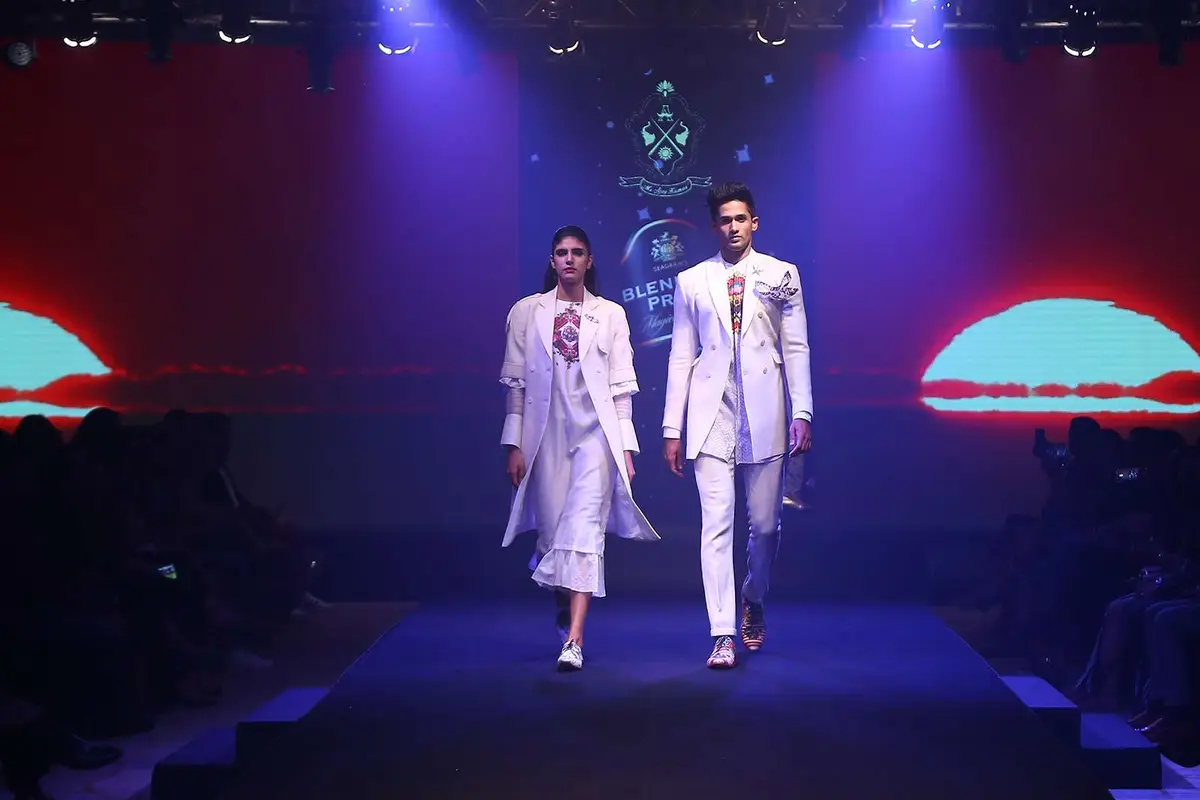
Models are not merely human hangers; they are the actors bringing the story to life. Their walk, their expressions, and their interactions are all part of the choreography. A fast, aggressive pace might convey rebellion and power, whereas a slow, deliberate walk can suggest melancholy or regality. The casting itself tells a story, with a diverse lineup championing inclusivity and individuality.
The Showstoppers:
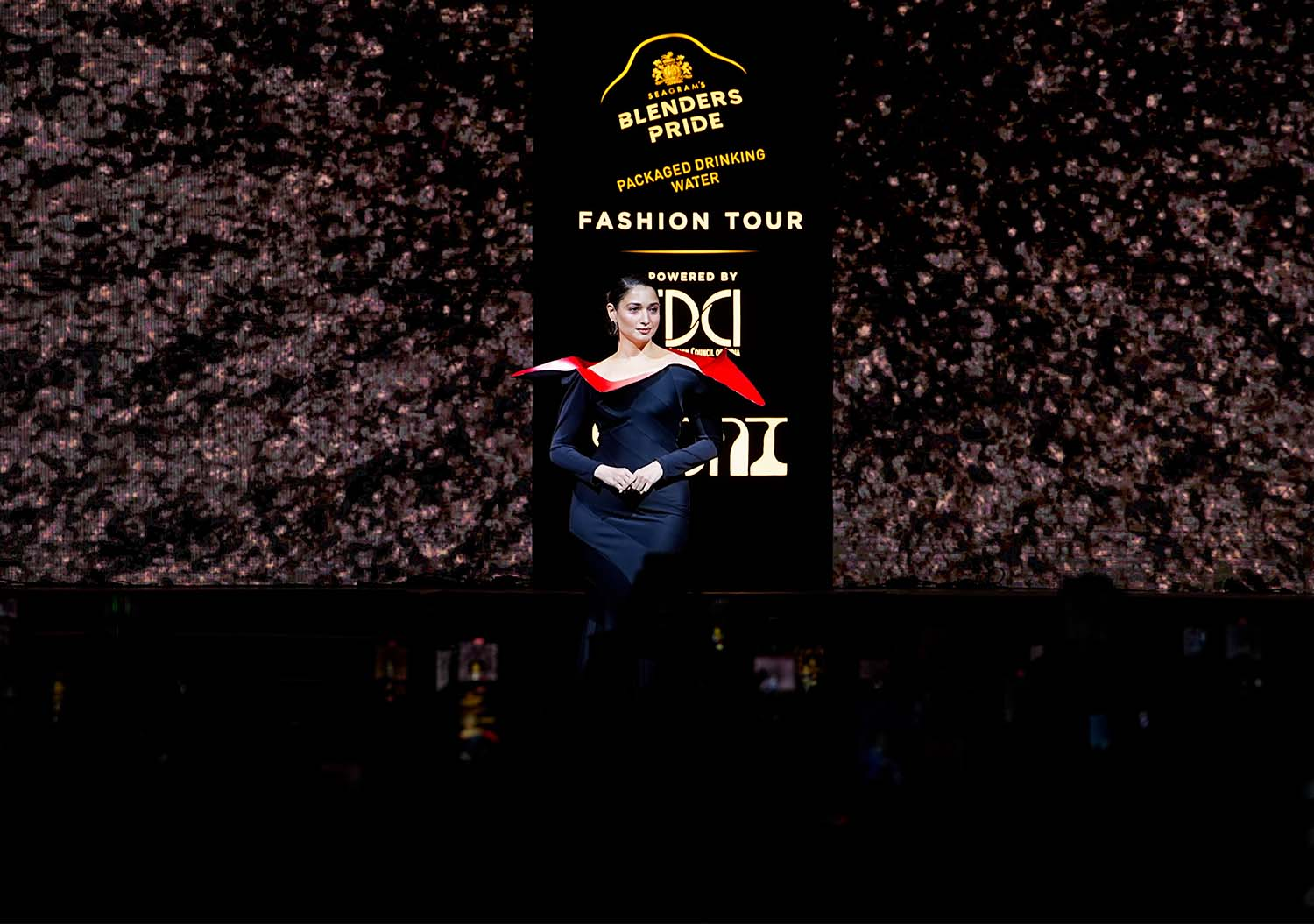
Often featuring a celebrity or a particularly iconic model, the showstopper provides the narrative climax. This final, unforgettable look encapsulates the collection’s core message, leaving a lasting impression on the audience and creating a powerful, press-worthy moment that anchors the story in public memory.
Weaving Tales on the Indian Runway: The Blenders Pride Fashion Tour
Nowhere is this art of narrative fashion more vibrant than on the Indian stage. The Blenders Pride Fashion Tour, in its dynamic collaboration with the Fashion Design Council of India (FDCI), has become a premier platform for this kind of storytelling. With its focus on self-expression, individuality, and immersive experiences, the tour empowers each fashion designer to create a unique universe. Let’s explore how some of India’s most creative minds have used this platform to tell unforgettable stories.
The Story of Legacy: A Tribute to Rohit Bal
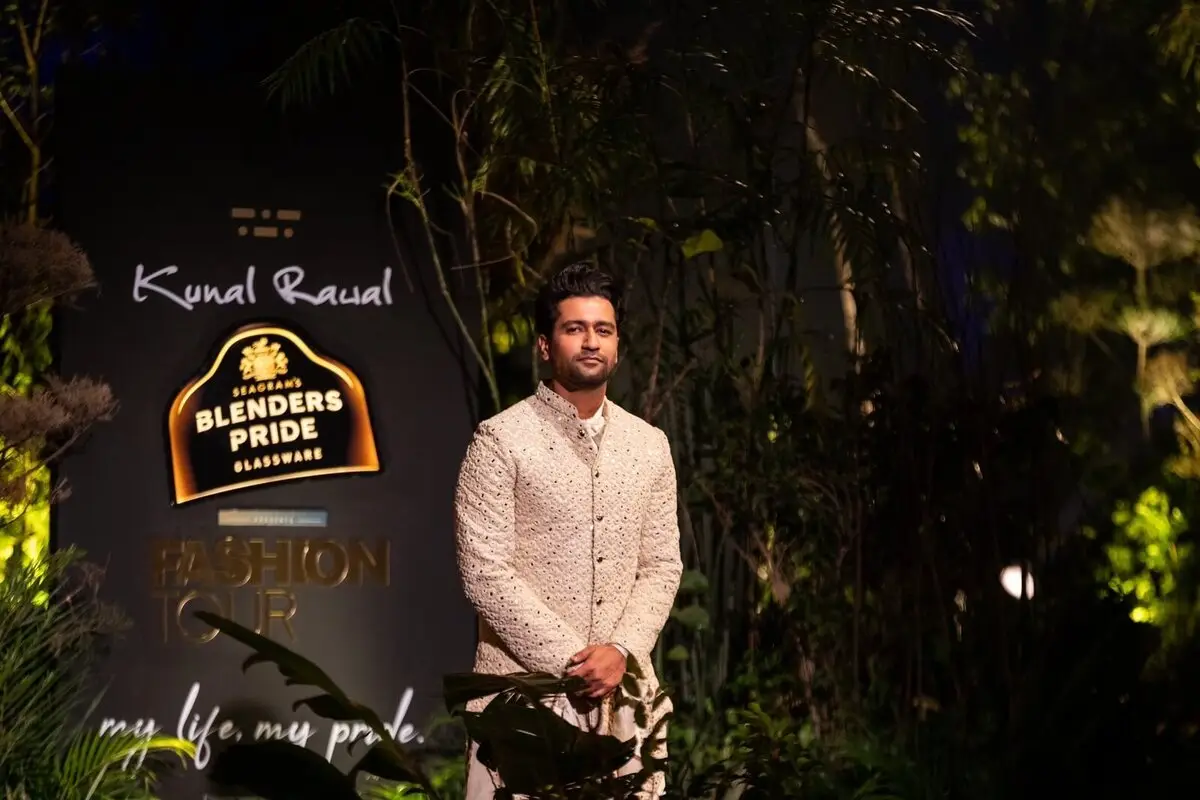
The 20th edition of the Blenders Pride Fashion Tour opened in Gurugram with a masterclass in emotional storytelling. It wasn’t just a fashion show; it was a deeply moving tribute to the legendary Rohit Bal. The narrative here was one of celebration, honour, and legacy. Bal, a designer renowned for his opulent aesthetics and deep reverence for Indian heritage, was the main highlight of the evening. The catwalk became a living biography, with over 100 prominent figures walking in his honour. The story was enriched by its setting—an environment that mirrored Bal’s world, complete with Kashmiri culinary experiences and soulful music. When his long-time muse, Sonam Kapoor, graced the runway as the showstopper, it was the emotional climax of a story celebrating a life that immeasurably shaped Indian fashion.
Read More – Blenders Pride Fashion Tour 2025 – Gurugram Edition: A Grand Celebration of Fashion and Legacy
The Story of Modern Youth: Kanika Goyal’s Street Luxe
In Chandigarh, the narrative shifted to one of youthful, adventurous energy with Kanika Goyal’s showcase. Her story was about the spirit of contemporary street luxe. The collection itself, with its bold silhouettes, vibrant hues, and experimental fabrics, was the voice of a generation that is edgy, confident, and unapologetically individualistic. Showstopper Jacqueline Fernandez embodied this spirit, but the storytelling went further. The live folk-tronic music by Hari & Sukhmani, performed directly on the runway, became the heartbeat of the show, syncing perfectly with the energetic rhythm of the collection. The story told on Goyal’s catwalk was one of a vibrant, pulsating India where global trends and local sensibilities collide.
The Story of Fantasy and Elegance: Tarun Tahiliani’s Dreamscape
Tarun Tahiliani, a stalwart among Indian fashion designers, transported his Mumbai audience into a world of pure fantasy. His story was aptly titled ‘Dreamscape’. The setting was arguably one of the most breathtaking in recent memory: the majestic Bayview Lawns against the Mumbai coastline. This immediately established a narrative of escapism and glamour. The collection itself was a three-act play, exploring themes of fantasy, red-carpet glamour, and timeless charm. Tahiliani’s mastery of drape and traditional embroidery was evident, but it was reinterpreted for a modern audience. Here, the fashion designer told a tale of ethereal femininity and refined structure, proving that heritage and modernity can coexist in a beautiful, dream-like state.
The Story of the Future: Akshat Bansal’s Technological Vision
The journey then moved to Vizag for a story about the future. Akshat Bansal’s label, Bloni, is known for pushing boundaries, and his collection was a powerful narrative about the intersection of fashion, technology, and self-expression. The runway became a futuristic landscape, brought to life with AI-generated visuals and 3D-modelled elements. The most compelling part of this story was the use of photochromatic fabrics, which transformed in real-time on the models. It was a stunning demonstration of how fashion is evolving beyond mere clothing into an interactive, technological experience. With Tamannaah Bhatia as the showstopper and Ritviz’s pulsating music, Bansal’s story was a glimpse into a bold new world.
The Story of Disruption: The Guwahati Grand Finale
The tour’s finale in Guwahati was a collective story of disruption, told by a trio of talented designers under the theme “Play En-Vogue.” Nitin Bal Chauhan’s ‘Chamunda’ collection reinterpreted medieval armour for the modern street, telling a story of ancient warrior spirit meeting contemporary rebellion. Abhishek Patni’s NoughtOne fused streetwear with rockstar aesthetics in his ‘Racer 01’ collection, a narrative driven by the raw energy of music. Pawan Sachdeva’s ‘The Dis-Aligned’ told a story of controlled chaos, disrupting traditional forms with innovative techniques. The collective narrative was amplified by live performances from rappers KR$NA and KARMA, seamlessly blending music and fashion to create a powerful story about breaking the rules and redefining style.
The Global Stage and the Indian Soul
What makes the Indian fashion designer particularly adept at this form of storytelling is the incredibly rich wellspring of inspiration they can draw from. India’s vast tapestry of culture, mythology, history, textiles, and craftsmanship provides an almost infinite library of narratives. A designer can tell a story drawing from the grandeur of Mughal royalty, the serene rituals along Varanasi’s ghats, or the bustling chaos of a modern metropolis.
The true genius lies in the fusion. When a designer like Tarun Tahiliani blends Zartaar embroidery with a contemporary silhouette, or when Kanika Goyal infuses global street trends with an Indian sensibility, they are telling a bigger story—the story of modern India itself. It’s a nation that honours its past while striding confidently into the future. The catwalk, in this context, becomes more than just a platform for commerce; it becomes a space for cultural dialogue, narrating the country’s evolving identity to a global audience.
Read More – A Glamorous Affair: Blenders Pride Fashion Tour in Guwahati
Conclusion
In conclusion, the runway is far from a one-dimensional display. It is a carefully constructed narrative experience. Every fashion designer who succeeds on this stage is a storyteller at heart, using every tool at their disposal—from the venue and music to the models and the clothes themselves—to transport their audience. The next time you watch a fashion show, look beyond the hemlines and silhouettes. Listen to the music, feel the energy of the room, and try to read the story being told. You’ll discover an art form that dresses not just our bodies, but our imaginations as well.